Elevate your local knowledge
Sign up for the iNFOnews newsletter today!
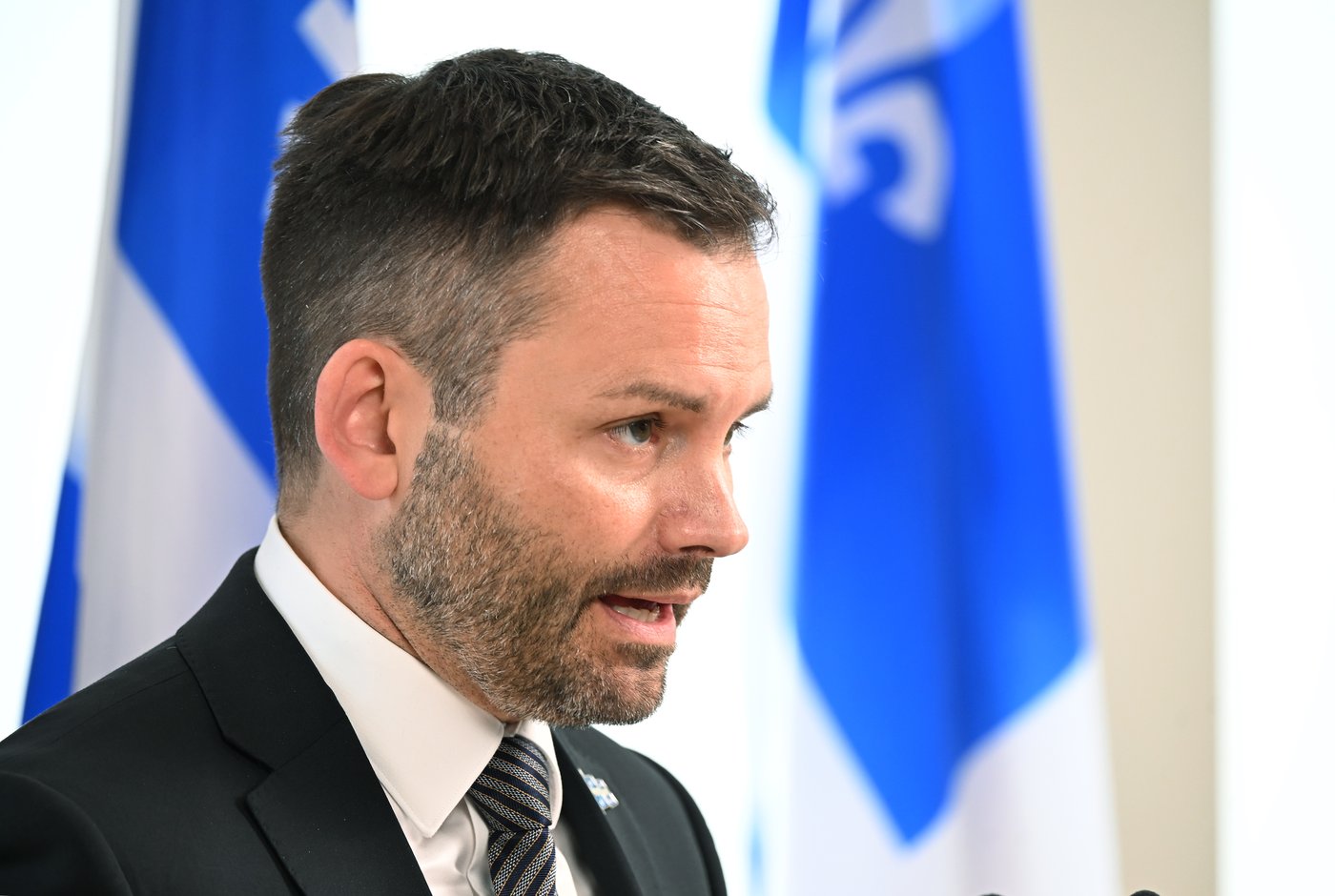
QUÉBEC — Quebec’s premier-designate says a referendum on sovereignty is not among his immediate priorities as he focuses instead on homelessness, government spending and attempting to sever the province’s ties to the monarchy as his first acts in office.
Parti Québécois Leader Paul St-Pierre Plamondon outlined his plans on Tuesday, one day after Quebecers chose to hand his party a minority government in the provincial legislature.
He has promised to call an independence referendum in his first term in government, but not until after U.S. President Donald Trump leaves office in 2029.
“We’ve got time and we’ve got plenty of urgencies and problems to solve,” he said. “I think the upcoming months will be more about topics I mentioned, things that are urgent.”
St-Pierre Plamondon said his first act in government would be to organize a summit on reducing homelessness. His other priorities include freezing the salaries for legislature members and directors of Crown corporations and creating a secretariat to review government spending and bureaucracy. He also plans to name a trade team to chart a path forward in the ongoing trade war with the United States.
St-Pierre Plamondon said he’s also seeking legal advice on how to ensure the province’s lieutenant-governor doesn’t have to be present at his swearing-in ceremony. During the campaign, he pledged to defund the office and redirect the funds to fighting homelessness.
“There’s something abnormal about a foreign king coming to tell us what to do right at the start of a legislative term, a mandate,” he said. “People might say it’s symbolic, but I would reply that it’s still totally abnormal.”
St-Pierre Plamondon acknowledged that he would need to work with other parties to implement his agenda in a minority legislature, and committed to meeting with each of their leaders. He also said he had a positive conversation with Prime Minister Mark Carney, in which the two discussed infrastructure, homelessness and immigration.
He said he was open to working with Carney and the provinces, “on the condition that the interests of Quebec are served and the relationship is based on respect.”
Parti Québécois candidates were elected in 59 ridings in Monday’s election, falling five seats short of the 64 needed for a majority government.
The Coalition Avenir Québec was swept out of power in a resounding defeat, failing to win a single seat after eight years in power.
On Tuesday, Christine Fréchette announced that she was stepping down as leader of her party, but would remain as premier until St-Pierre Plamondon is sworn in.
Earlier, Carney and Quebec’s incoming opposition party leaders pledged to work with the sovereigntist party as it prepares to form a government.
On his way into a cabinet meeting on Tuesday, Carney told reporters he spoke with St-Pierre Plamondon after Monday’s election.
Carney called it a “crucial time” for the country, and said it’s important to focus on the now — not issues that are years into the future.
“This is a crucial time for our country, it’s a crucial time for Quebec,” he said. “This is not a time to wait for something a few years down the road. It’s a time to act. It’s a time for boldness.”
Carney said being bold was what his own government has been doing, including on promoting affordable housing, big projects such as the Churchill Falls energy agreement with Quebec and Newfoundland and Labrador, and support for workers affected by American tariffs.
Carney said he and the PQ leader discussed some of those issues, including infrastructure funding and support for Quebec workers hurt by the U.S. trade war.
While the party had strong support across much of Quebec, it had its weakest level of support in the province’s two largest cities where the Liberals and Conservatives largely dominated. While the PQ failed to win a single riding in the Quebec City region, it won only two seats on the Island of Montreal.
Quebec’s opposition party leaders also said they were open to working with the new government, but made it clear that their support has limits.
Liberal Leader Charles Milliard, whose party finished with 40 seats, said the election results show that Quebecers want the parties to work together. He said he was open to collaborating on issues such as health care and support for families and businesses, but that none of his members would support a referendum.
“It’s not worth crossing the room to come see us, because for us, it’s no,” he said.
Milliard said St-Pierre Plamondon would likely seek support for his referendum among the members of left-wing sovereigntist party Québec solidaire, which won nine seats.
Québec solidaire co-spokespersons Ruba Ghazal and Sol Zanetti indicated Tuesday that they would work to grow support for independence, but said it was important that the public be on board.
“If there is a single condition for independence, it is that the population wants it,” Ghazal said.
Conservative Leader Éric Duhaime, who will soon be leading a 19-member caucus, following a historic breakthrough, said his party would fulfil its promise to act as a “watchdog” for taxpayers. However, he said he also expected to speak with St-Pierre Plamondon in the coming days to discuss areas of common interest, including eliminating taxes on used goods and reducing state spending.
This report by The Canadian Press was first published Oct. 6, 2026.
News from © The Canadian Press, . All rights reserved.
This material may not be published, broadcast, rewritten or redistributed.

This site is protected by reCAPTCHA and the Google Privacy Policy and Terms of Service apply.
Want to share your thoughts, add context, or connect with others in your community?
You must be logged in to post a comment.