Elevate your local knowledge
Sign up for the iNFOnews newsletter today!
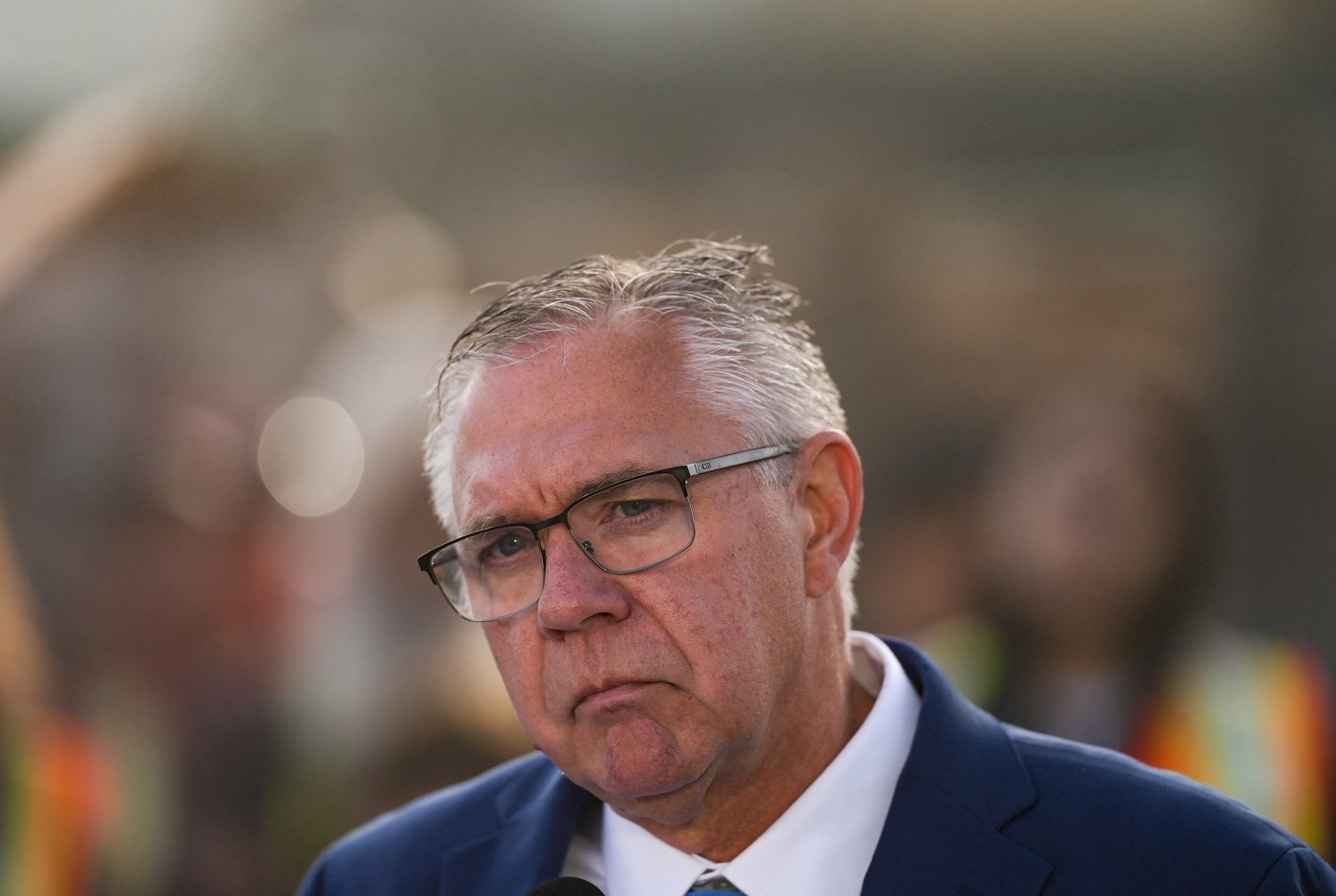
The British Columbia Conservatives’ projection of 3.2 per cent economic growth by 2029 represents about one per cent “more optimism” than the New Democrats previously budgeted for, interim Conservative leader Lorne Doerkson said.
The Conservatives’ figure is more than 50 per cent higher than a 2.1 per cent average growth forecast in B.C.’s last budget and considerably higher than recent projections by the Bank of Canada and International Monetary Fund at the national level.
The elevated growth forecast underpins some of the Conservatives’ costed platform, which said it would yield $2.6 billion in new revenue over three years.
Ross Hickey, associate professor of economics at the University of B.C.’s Okanagan campus, said the Conservatives’ costed platform was “a little bit thin on the details and a little bit thick in terms of wishful thinking.”
But Doerkson told a campaign stop in Maple Ridge, B.C., in the final days before the Oct. 24 provincial election that 3.2 per cent growth was “absolutely doable.”
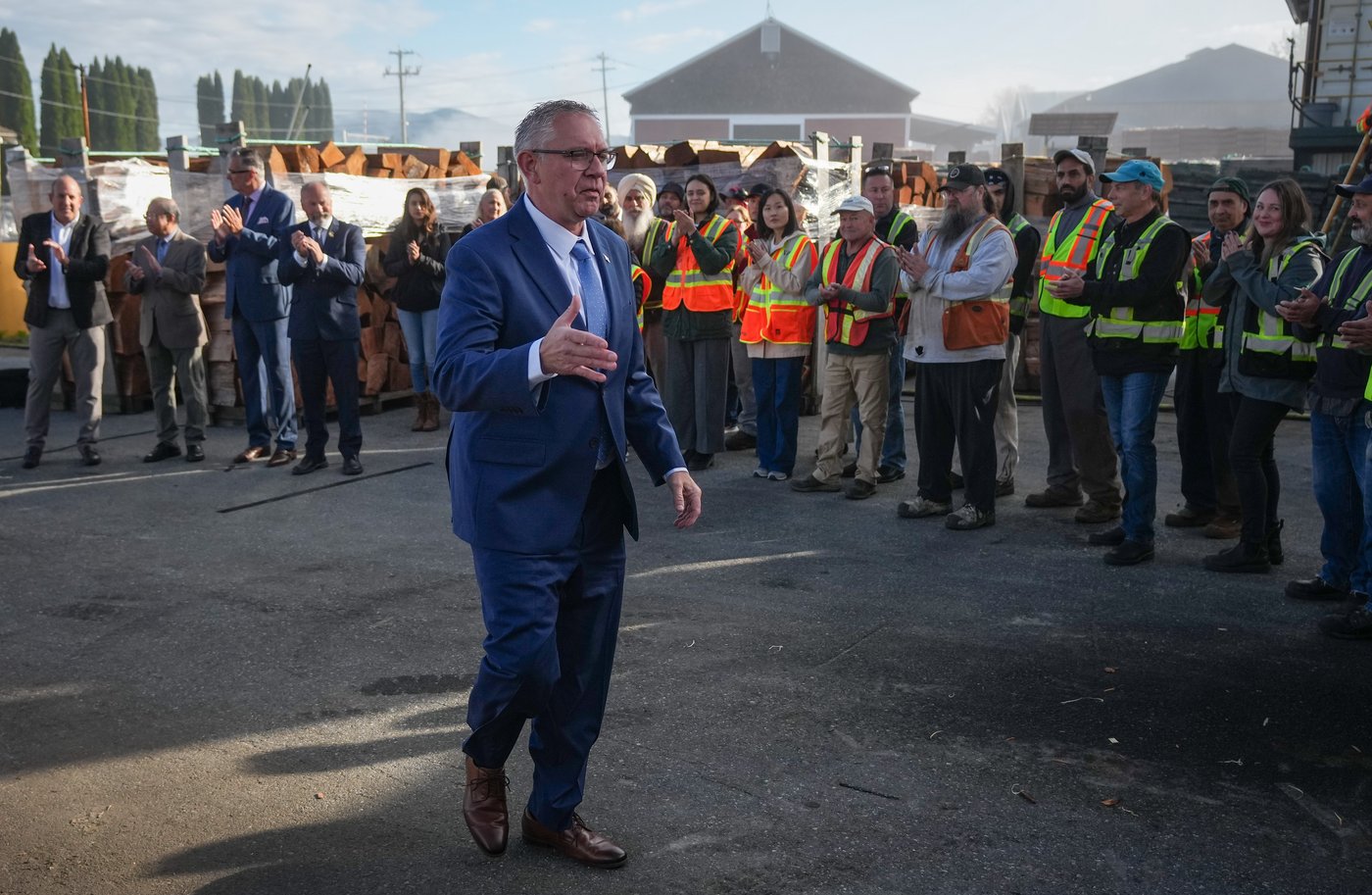
“I’ve talked to so many industries that are just waiting for a change in government to invest in this province,” he said on Monday.
Doerkson said “fear” under the previous NDP government had deterred investment across industries including natural gas, forestry, mining and agriculture.
The Conservative platform unveiled on Sunday promises to shrink the $14 billion forecast deficit to $10.8 billion, based on gross domestic product growing by 2.5 per cent next year, 2.8 per cent the following year and 3.2 per cent in 2029.
NDP Leader David Eby said the Conservatives were “torquing the numbers” and their platform had “major omissions” in how the party would pay for its plans.
“They failed to cost basic platform commitments like their cut to the (Provincial Sales Tax) on alcohol, which costs almost $300 million,” Eby told a campaign stop in Vancouver on Monday.

“It is all with the aim of minimizing the reality of the cuts they’re going to have to make.”
Hickey said the Conservatives’ calculations assume B.C.’s economy would grow at a certain pace, but the Conservatives’ proposals are untested, and many factors influencing growth are outside the provincial government’s control.
“Ultimately, what will happen with growth … depends more on what’s happening with the global economy than who our premier is,” he said in an interview.
“Just saying ‘we’re pro-growth’ so then we’re going to grow more? (It) doesn’t add up to me.”
Hickey said the NDP probably had projections and ideas that were “equally silly” and likened campaign promises across the political spectrum to works of fiction.
“What’s missing in a lot of these is the plan of how the actions lead to the outcome.”
The NDP platform projects about $1.8 billion in new revenue by the 2029 fiscal year, thanks to “targeted economic growth” resulting from final investment decisions on major projects, such as the second phase of LNG Canada’s facility in Kitimat.
B.C.’s election campaign on Monday also turned to Alberta’s referendum on whether the province should remain in Canada or look to separate from the rest of the country.
Eby pointed to three Conservative candidates who had apparently joined a Facebook group linked to the separatist movement in Alberta, while Doerkson said the NDP leader’s attempts to impugn his patriotism were “disgusting.”
Doerkson said the B.C. Conservatives stand for a strong and united Canada, though he didn’t directly answer a question about potential separatist views in his party.
The Conservative platform promises to save $7 billion over four years by cutting annual contingency funding from $5 billion to $3 billion each year. They would do so by shifting contingency expenses to ministerial budgets, but they have not provided details on whether and how the ministries would balance their books as a result.
NDP candidate Adrian Dix, who has led B.C.’s health and energy ministries, said contingencies funding has mostly been used to pay for “health-care caseload pressures and unavoidable expenses” such as the cost of fighting wildfires.
“Doerkson’s plan starts with a $1 billion cut for the remainder of this year,” he said during a campaign news conference on Monday. “That means cuts this year to surgeries, to primary care clinics, and reduced services in hospitals.”
Doerkson, meanwhile, said there had been “misrepresentations” about his party’s plans, and the Conservatives would “fully fund health care.”
“We are looking at attrition though, and I think that shows in our plan with respect to the public service sector for sure,” he said.
— With files from Chuck Chiang and Nono Shen
This report by The Canadian Press was first published Oct. 19, 2026.
News from © The Canadian Press, . All rights reserved.
This material may not be published, broadcast, rewritten or redistributed.

This site is protected by reCAPTCHA and the Google Privacy Policy and Terms of Service apply.
Want to share your thoughts, add context, or connect with others in your community?
You must be logged in to post a comment.