Elevate your local knowledge
Sign up for the iNFOnews newsletter today!
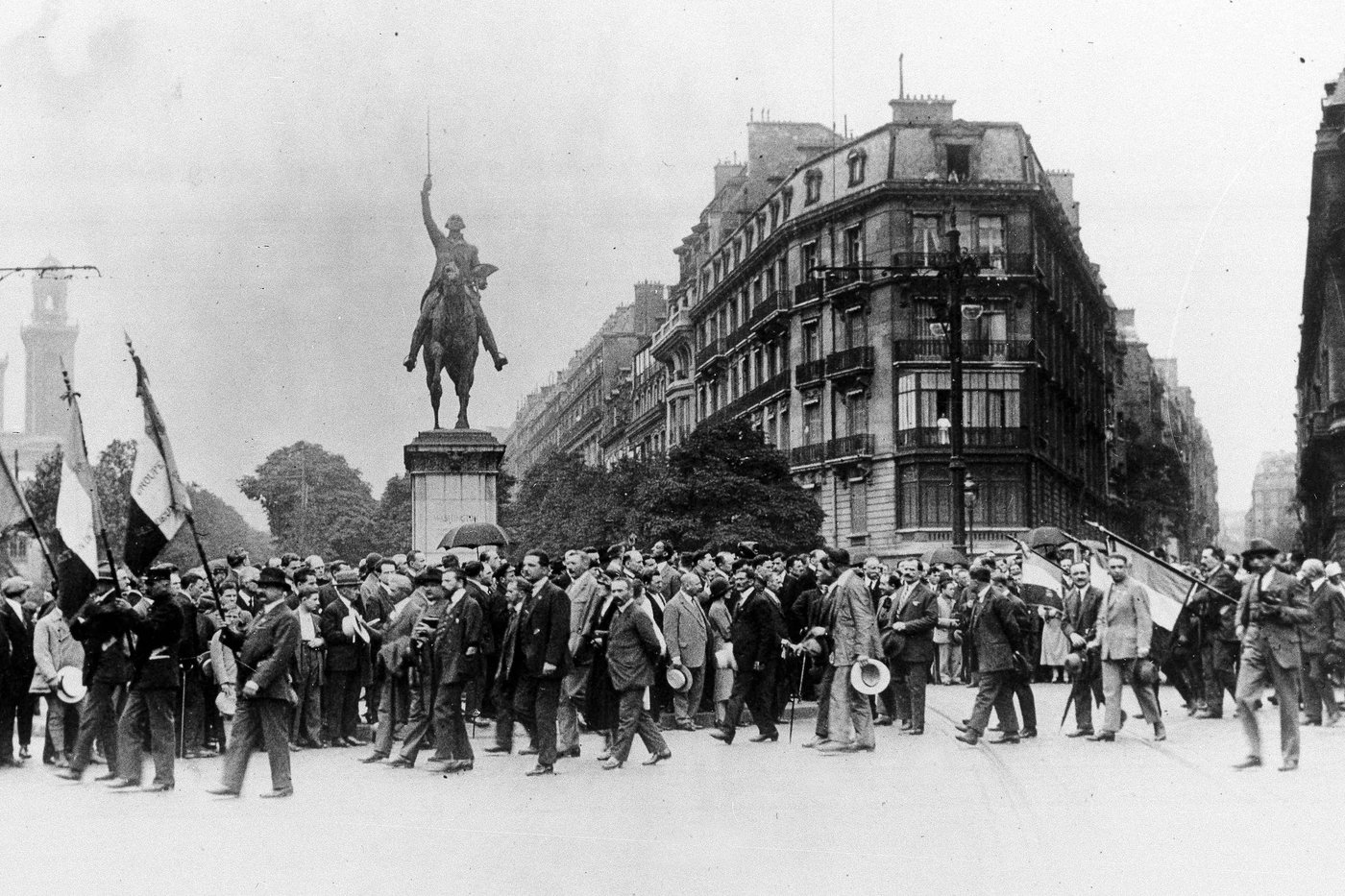
PARIS (AP) — No nation does mass protests quite like France.
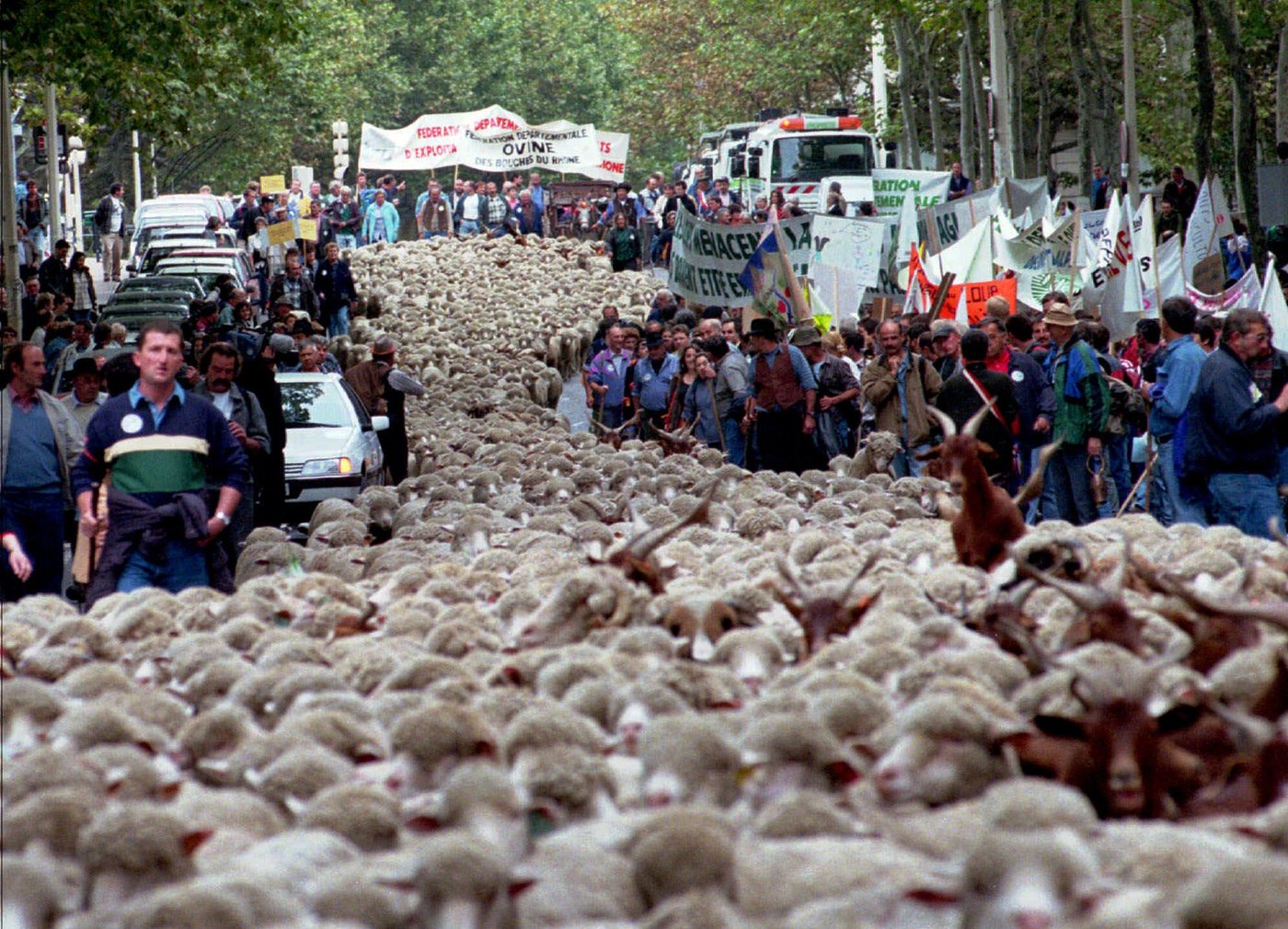
When the French fight high fuel taxes, they don yellow vests and march. When angry farmers want better pay, hundreds of them drive tractors down the Champs-Élysées. And when museum workers want better tourist management, they strike and shut down the Louvre.
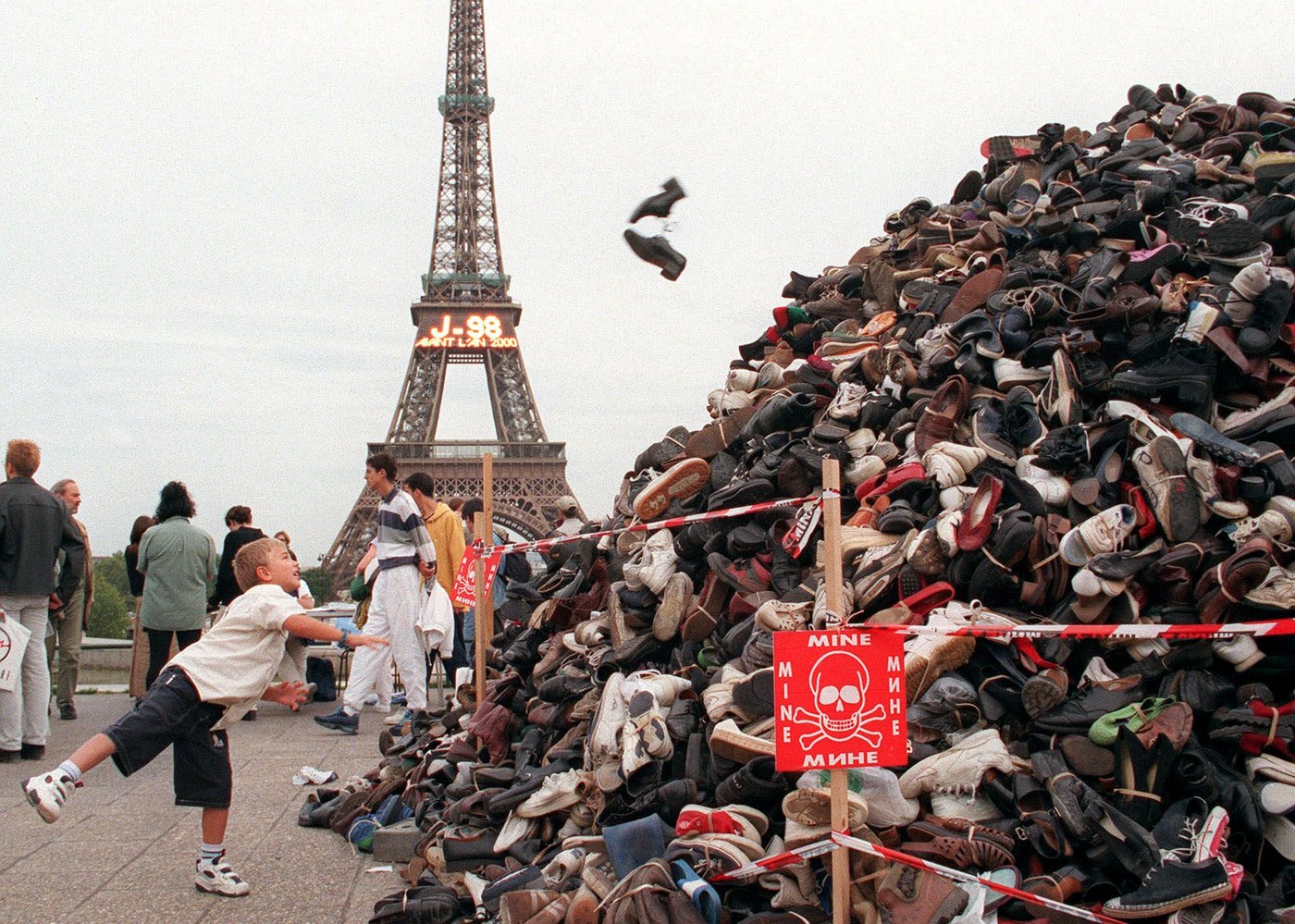
Passionate public protest is as French as “La Marseillaise,” the 1792 anthem that enshrines the collective duty to fight tyranny in the country’s national identity. But this month, the most violent demonstrations in years — and tough policing — have raised concern about riots overshadowing hundreds of thousands of peaceful demonstrators marching against rising living costs and poor conditions in schools.
On Saturday alone, at least 2,400 people were arrested after rioters in cities across France clashed with police, set cars on fire, stormed public buildings, looted stores and engulfed a historic city hall in flames. More protests could be in store.
“How can French people do this to France?” outgoing President Emmanuel Macron asked on Sunday. Nothing justifies the destruction, he added. “We all feel anger and shame.”
But any student of French history would know that the nation’s proud, loud and colorful protest culture has sometimes turned violent — starting with the beheadings of King Louis XVI and Marie-Antoinette during the revolution that overthrew the monarchy in 1789.
A protest culture is born
Historians say the revolution was where the modern-day French tradition of civic engagement as a duty was born. The idea is that voting is not the only way to drive change; demonstration is considered a bedrock value, a way to make elites hear the populace and to defend freedoms. The moment a child becomes an activist is seen as a generations-old rite of passage. The right to protest is even constitutionally protected.
“It’s a way to build collective identity and political community,” said Magali Della Sudda, research director in political science at the French National Center for Scientific Research in Bordeaux.
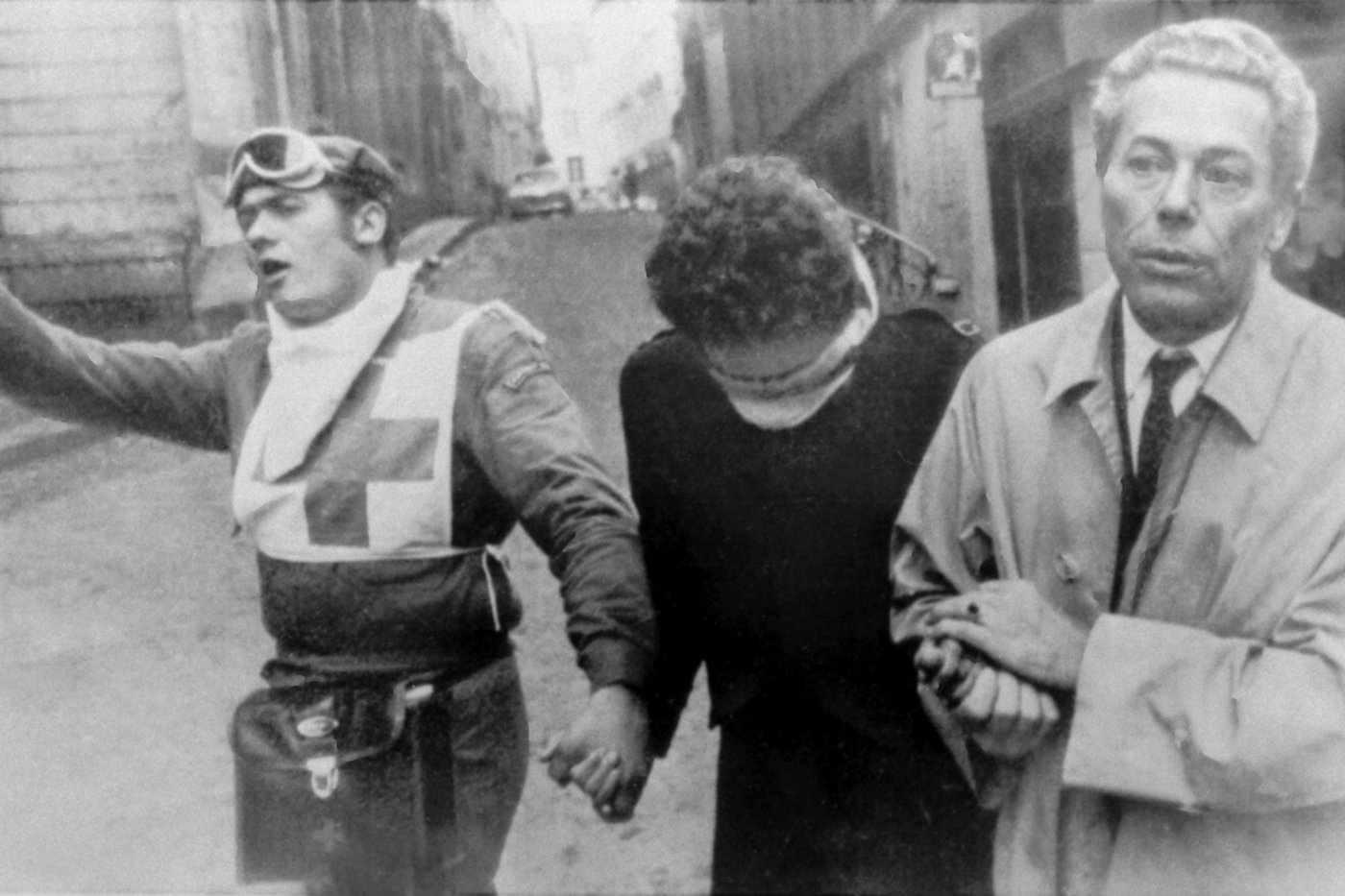
France’s post-revolution history is not a solid story of protests and reforms, but of cycles of popular uprisings, repression, mobilization and political concessions. The tradition has turned tragic; in 1871, government troops cracked down on the new “Paris Commune,” or municipal government, reportedly killing thousands.
In some ways, collective action won — as in 1968, when student demonstrations and a general strike forced the government to grant concessions like an increase in the minimum wage.
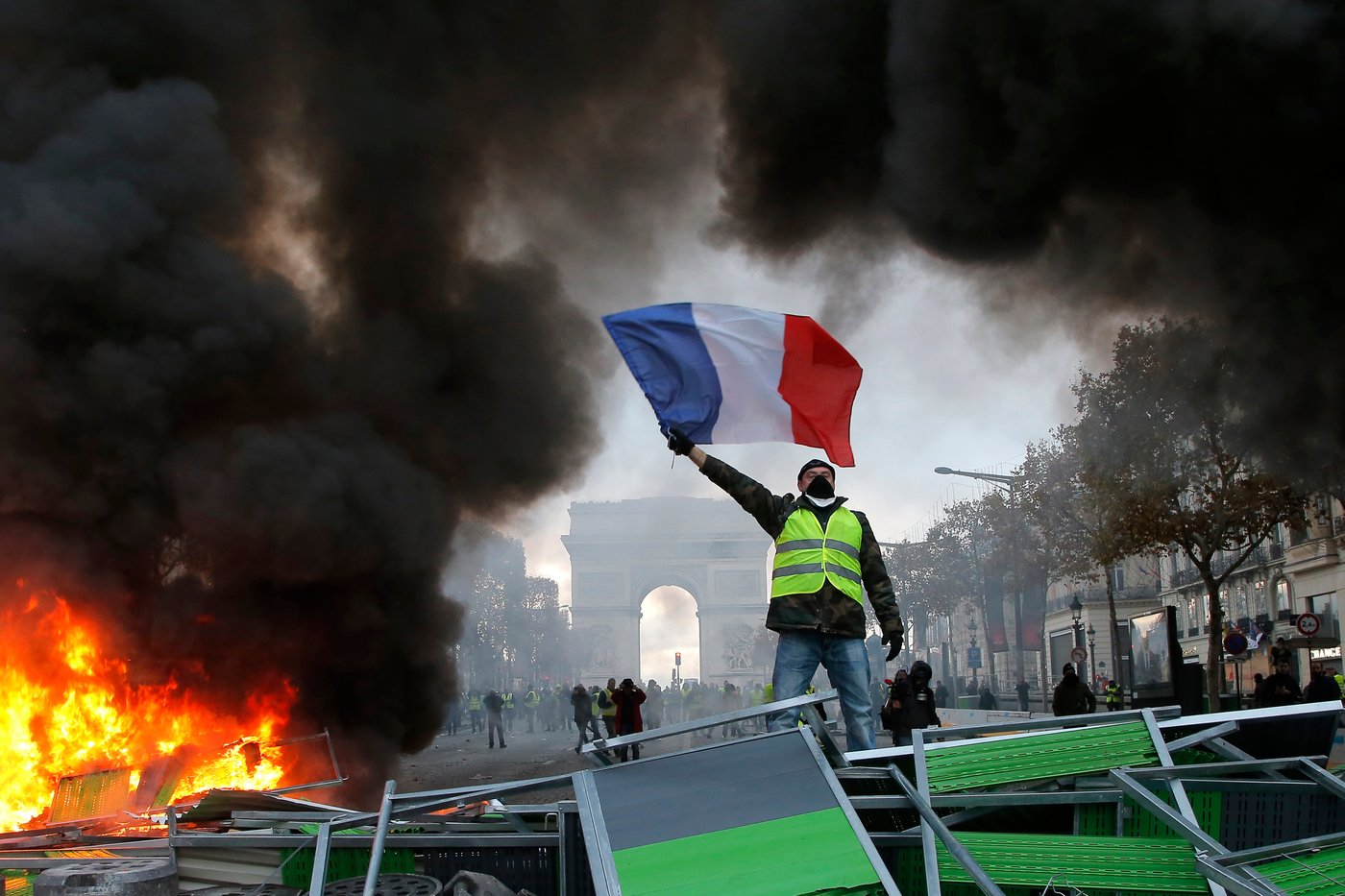
In more recent history, the “yellow vests” — “gilets jaunes” in French — demonstrated against a proposed fuel tax increase, and that broadened into protests over other issues like living costs and inequality. Some demonstrations in 2018 and 2019 featured burning cars, looting and confrontations with police. It’s not uncommon for French violence on the fringes to mar otherwise peaceful marches.
Likewise, the student protests over the weekend expanded from education to other grievances — and featured dramatic scenes of looting and clashes with police. It’s not clear how many of those who were ransacking shops had turned out to join the day’s protest, which drew tens of thousands, or were mere opportunists. Authorities have responded with nightly curfews; there were calls for more protests later in the week.
It happened during a political season, less than two weeks before the U.S. midterm elections on Nov. 3 that will also amount to a referendum on President Donald Trump’s troubled second term in office. Trump and leading Republicans are trying to leverage the widespread riots in France by making unsubstantiated claims that the social unrest in Europe is caused by Muslim migrants.
Authorities and police have not linked immigrants to the rioting in France.
Police violence blamed for mistrust
Some of the forces driving protests for the last month are owed to more recent French tradition, according to political scientist Fabien Jobard, who has studied the history of protest and policing.
Since the 1990s, the country has seen recurring waves of what the French call “violences urbaines” and Americans would call riots, Jobard said. They are often sparked by police violence: nationwide unrest erupted in 2005 after two teenagers died while fleeing police, and again in 2023 after an officer fatally shot a 17-year-old during a traffic stop outside Paris.
“For young people from the suburbs, the riot is one of the traditional forms of collective expression,” he said.
Government critics and human rights campaigners have alleged that police tactics in the last month have been unnecessarily violent. Much of the criticism focuses on rubber-bullet launchers, known in France as LBDs, and stun grenades, which critics blame for serious injuries to protesters.
And Della Sudda noted that the nearly 8,000 arrests in the weeks leading up to Oct. 17 dwarf the few dozen detained during a 1998 protest of 500,000 students against teacher shortages and dilapidated schools.
The feeling of not being heard also is part of it, she says. Rather than listen to protesters and negotiate, Della Sudda noted, the government, for example, tried to appease “yellow vest” grievances through a digital platform, which translates to “the great national debate.” Anti-government protesters panned Macron’s plan.
“As a result,” Della Sudda wrote, “mistrust is growing.”
___
Kellman reported from London.
News from © The Associated Press, . All rights reserved.
This material may not be published, broadcast, rewritten or redistributed.

This site is protected by reCAPTCHA and the Google Privacy Policy and Terms of Service apply.
Want to share your thoughts, add context, or connect with others in your community?
You must be logged in to post a comment.