Elevate your local knowledge
Sign up for the iNFOnews newsletter today!
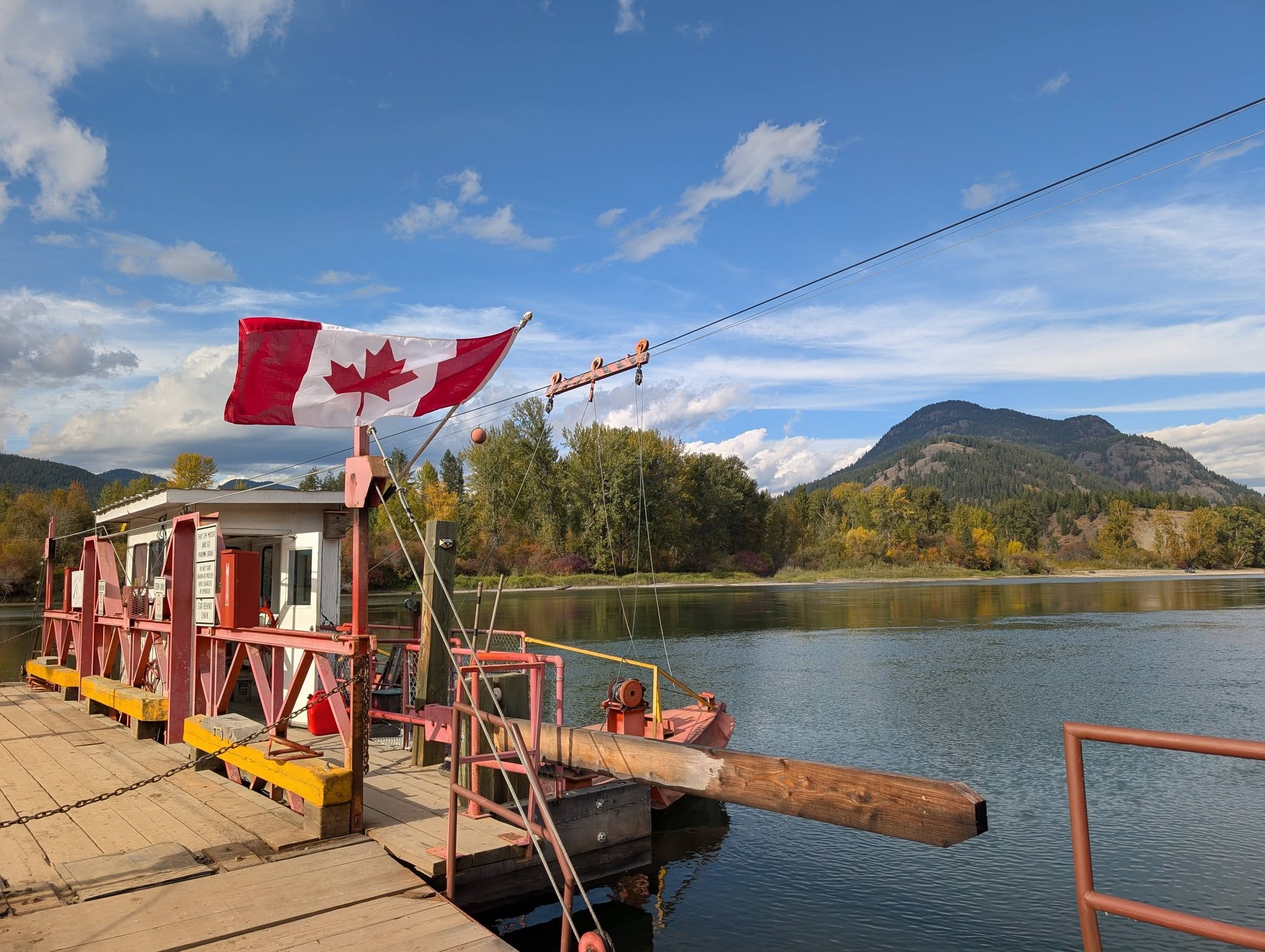
Car ferries have been shuffling vehicles and passengers across BC’s inland lakes and rivers for more than a century, offering a charming and scenic mode of travel in rural areas.
The vessels have varying sizes of vehicle decks where commuters can step out and experience the wind, weather and waves as they cross.
Several mornings every month, Clearwater director with the TNRD, Usoff Tsao, watches the sunrise as he heads to one of two inland ferries to transport passengers and vehicles. He is an on-call operator for the McLure and Little Fort ferries.
“There are many perks to the job, it’s like being on holiday at work,” he said. “I see wildlife like river otters, beavers and mergansers. I also get to talk to residents using the ferry. I can keep in touch with everybody.”
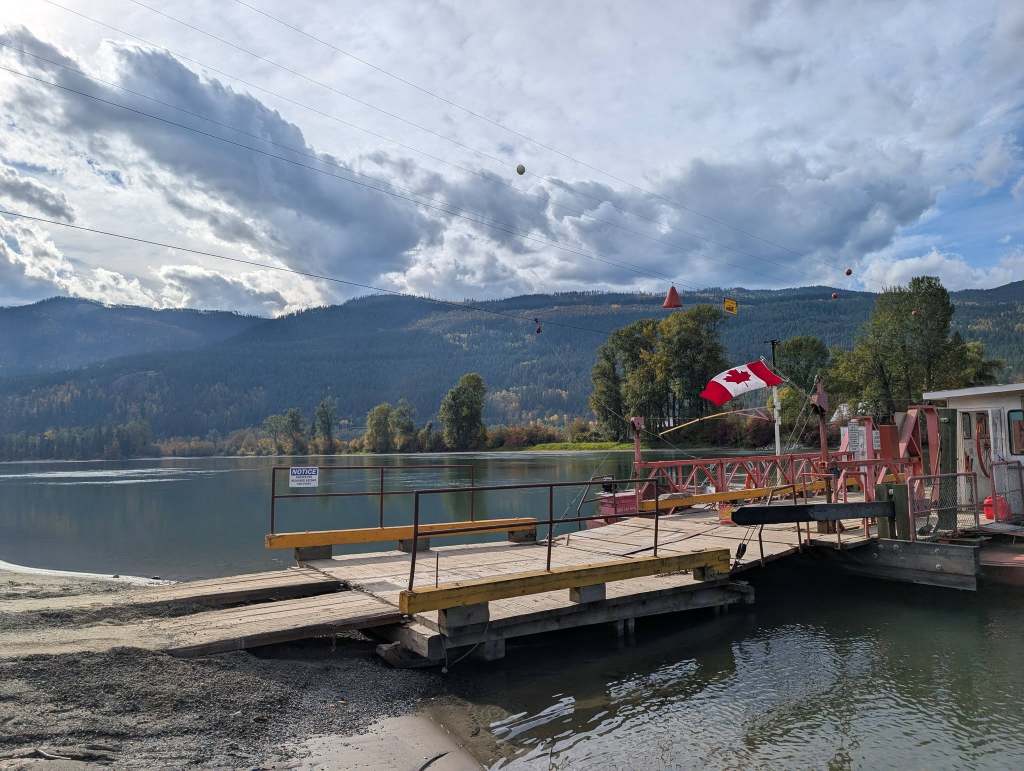
The ferries are not just a delightful way to get somewhere. They each have a unique history in the areas they serve, they reduce commuting time for local users, can be critical during emergencies, and boost tourism.
Tsao knows some of the history of the two ferries. Both vessels were built in the 1960s. The Little Fort ferry service has been in place for more than a century and the current vessel is made out of a bridge truss.
“It’s interesting, they turned a section of a bridge truss into a ferry,” he said. “It’s basically a bridge truss frame that is attached to pontoons. The metal for the truss was manufactured in England and there is a company name stamped on the metal structure.”
Tsao transports local students and employees who benefit from reduced commuting time. In McLure, several students take the ferry to catch a bus to school in Kamloops, while students in Little Fort cross to catch a bus to school in Barriere.
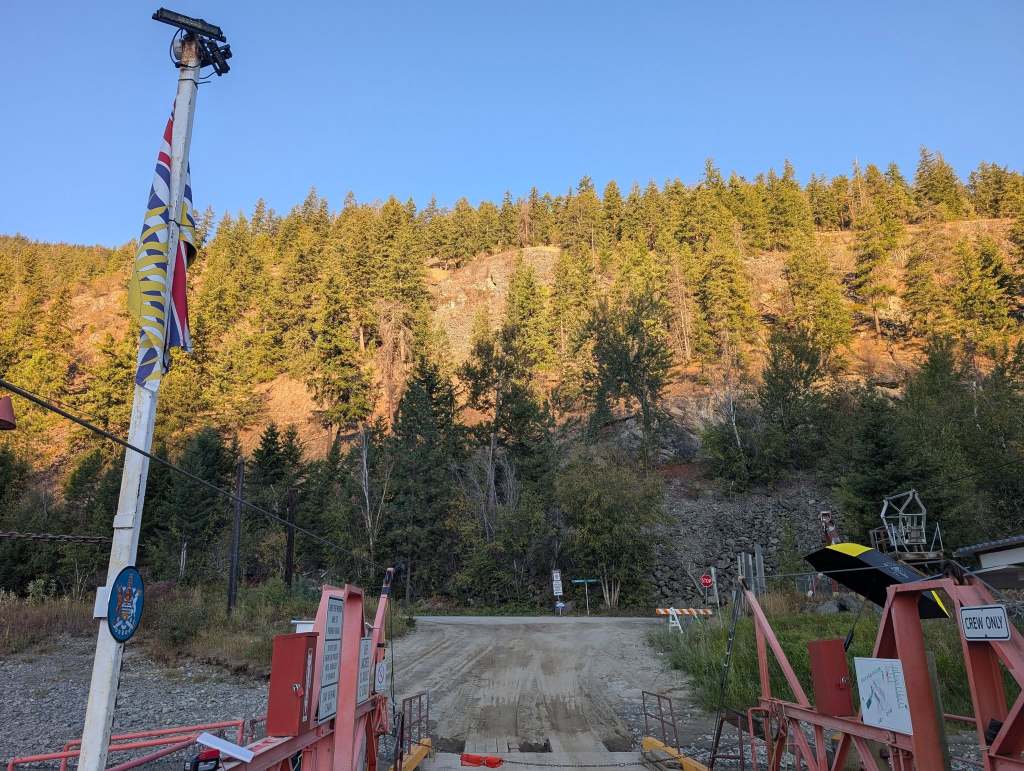
The ferries have both been useful in the past during wildfire activity.
The McLure Ferry was used in 2003 for a wildfire in Barrier. It ran 24 hours per day for a couple of days evacuating residents and moving firefighters back and forth.
Last summer in Little Fort, a wildfire was spotted at 10 p.m. moving up a mountain.
“I live half an hour away but a full-time operator living in Little Fort was able to get out of bed and hop on the ferry and run it until 4 a.m. getting fire departments across,” Tsao said.
“These ferries are important escape routes and can provide quicker access for medical and emergency response. For some rural families and ranchers, the ferries spare them a two-hour bumpy backroad drive to medical services.”
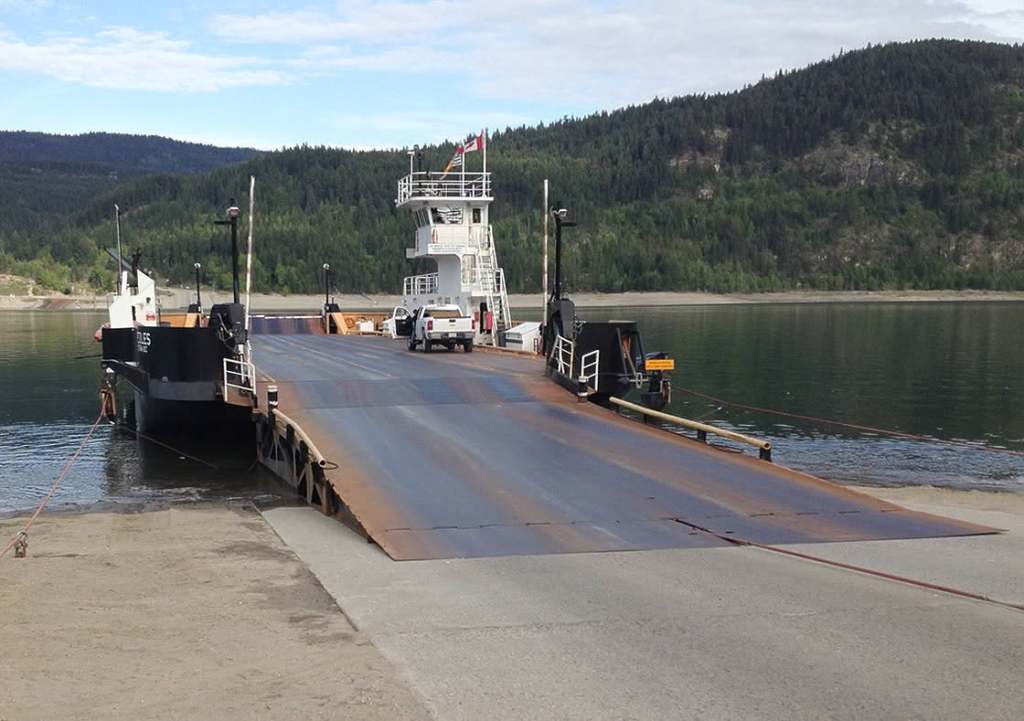
Both the ferries Tsao operates are two of several vessels called reaction ferries operating in inland BC.
Reaction ferries are propelled by the current of the water. An overhead cable is suspended from towers anchored on either bank of the river and a traveller is on it. The ferry is hooked up to the traveller.
Rudders are used to ensure the pontoons are angled into the current, causing the force of the current to move the ferry across the river.
“In reality, we use an outboard motor,” Tsao said. “The North Thompson River is quite slow compared to others like the Fraser. If I just dropped the paddles and used the force of the river to cross it would take us about twenty minutes and commuters expect to get across faster.”
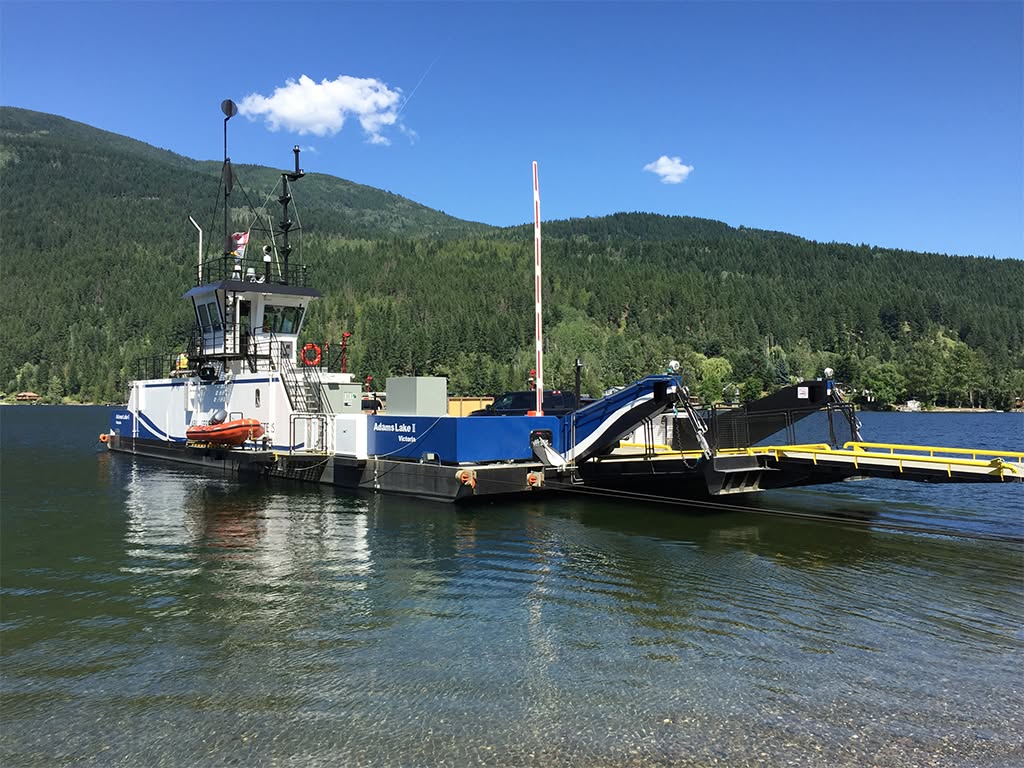
Other inland ferries, like the Needles ferry on Lower Arrow Lake and the Adams Lake ferry in the Shuswap are cable ferries. A cable ferry is physically guided and pulled across a body of water using steel cables connected to the banks.
“The Adams Lake ferry has a cable and pulls itself across to cut access time to the mill there,” he said.
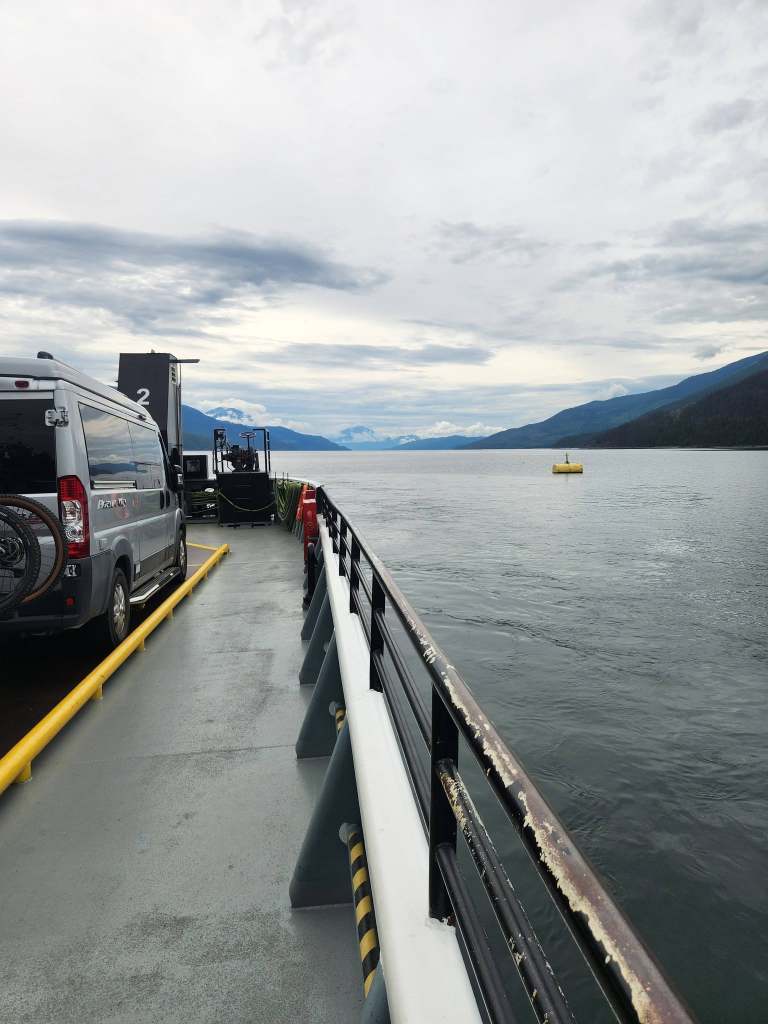
Free-running vessels like the ones that cross Kootenay Lake and Upper Arrow Lake move independently using onboard engines and rudders without ties to the shore.
In some areas, such as along Big Bend Highway running north along Lake Revelstoke, there are private forestry and logging barges occasionally operating in remote areas but they are not public services.
BC inland ferries are free of charge. They are funded through the Ministry of Transportation and Transit, and maintained and inspected by contractors.
Argo Road Maintenance oversees the ferries Tsao works on.
“Argo does ferry inspections all over BC and I’m impressed with all the maintenance being done,” Tsao said. “The province is continually funding Argo to make improvements on safety.
“We recently had a man overboard system installed. We now wear a sensor that will alert authorities for help when it gets wet, in case we fall into the water.”
Usoff knows of a few ferry crossings on the Thompson River that were pulled out of service in past decades. He said he wants the remaining ones to stay in place, and even have some added.
“Yea, slowly they get decommissioned. They wanted to do that to the McLure ferry in 2003 but the wildfire happened and they realized how vital it was and the provincial government removed the axe over its head.”
There used to be a ferry crossing at Ferry Road just outside of Clearwater and when it was decommissioned the ferry ramp was turned into a boat launch which is now under the Thompson Nicola Regional District management.
“Some of these ferries are crucial transportation connectors for really rural communities,” he said. “There are all these talks about natural resource extraction on first nation territories in these remote areas, so I think we need to look into adding more.”

Many of the people Tsao carries across the rivers are tourists. He said people hear about the ferries and simply want to experience them for fun.
Although not used to transport cars, a recently added ferry created in Sicamous to transport cyclists across to a portion of rail trail has quickly become a popular tourist attraction.
Tsao is the Director for Wells Gray Country Electoral Area A in the TNRD. He advocates for community assets like road safety improvements and is involved in wildfire firefighting training for unincorporated areas outside the structural fire protection zones.
“I moved to Clearwater in 2019 and just really have fallen in love with the way the community makes me feel welcomed. My role as director is something I’m passionate about. It’s something I can do to pay back the community for what they’ve done for my family.”
Most BC inland ferries operate every day, all day, seven days per week as long as river conditions allow safe operation. They have varying vehicle and passenger capacity, and various distances to span.
You can find inland ferry information, location and schedules on the provincial government website here.
News from © iNFOnews.ca, . All rights reserved.
This material may not be published, broadcast, rewritten or redistributed.

This site is protected by reCAPTCHA and the Google Privacy Policy and Terms of Service apply.
Want to share your thoughts, add context, or connect with others in your community?
You must be logged in to post a comment.