Elevate your local knowledge
Sign up for the iNFOnews newsletter today!
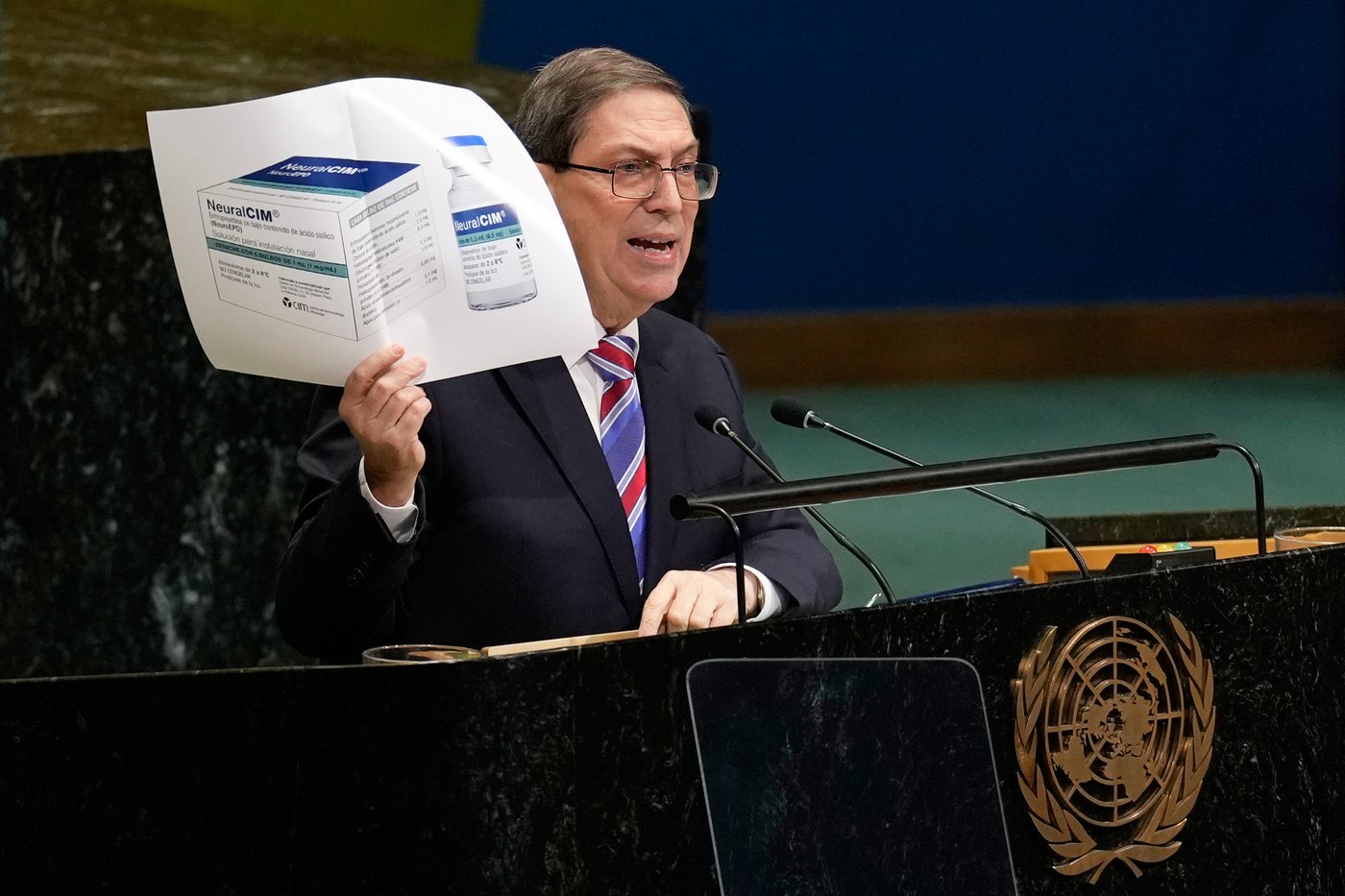
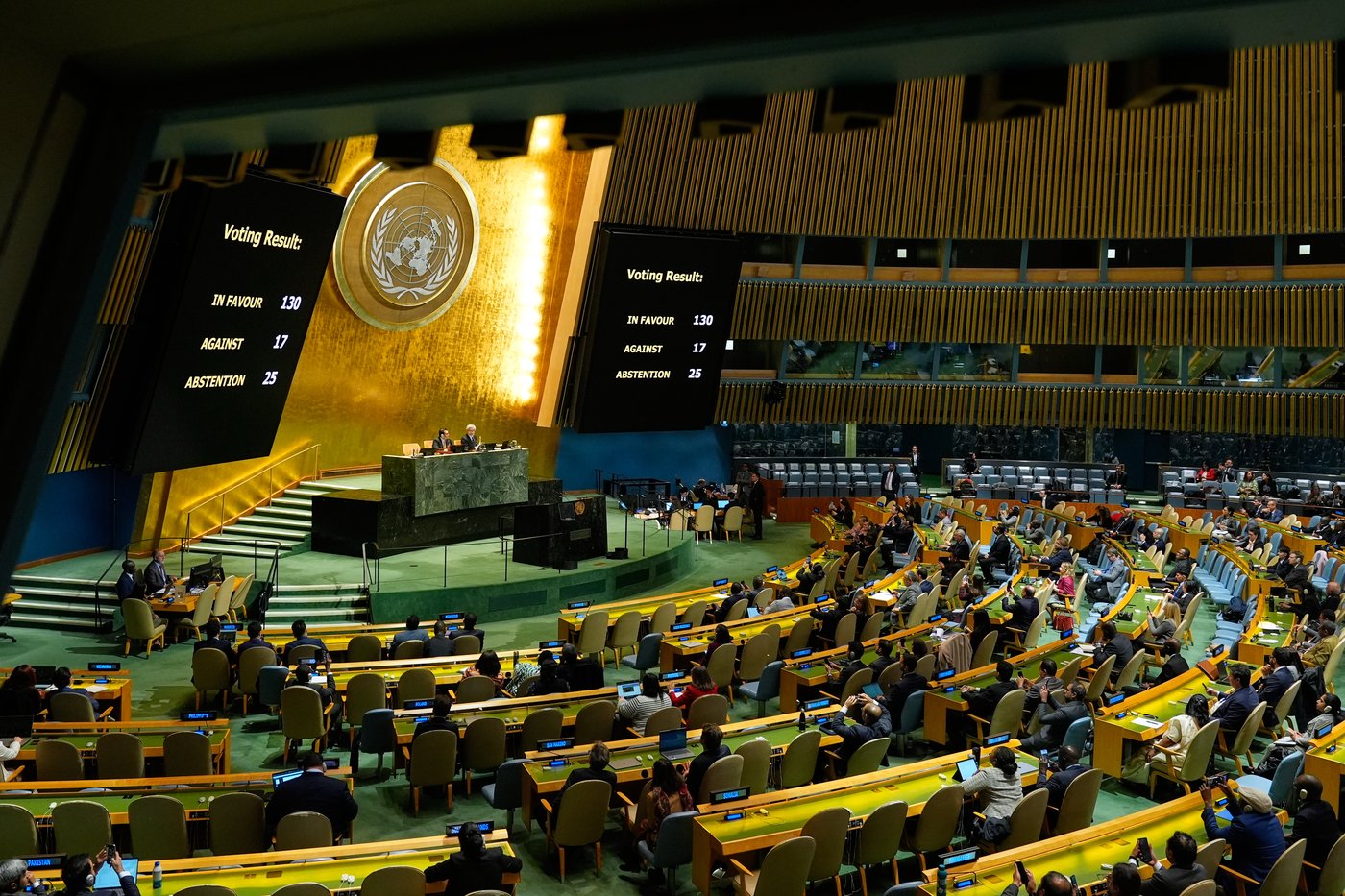
UNITED NATIONS (AP) — The U.N. General Assembly condemned the U.S. economic embargo of Cuba for the 34th year on Wednesday, even as Washington’s campaign to influence the outcome led to a number of countries voting against the resolution or sitting out the decision for the first time.
The vote was 130-17, with 25 abstentions — a notable decrease in support from last year, when more than 160 nations supported the measure and only 12 abstained. While such resolutions at the U.N. General Assembly are not legally binding, they do reflect world opinion.
For the first time in 34 years, Western countries like Germany, Italy and Latvia were among those that refrained from voting. Bosnia, Colombia, Costa Rica, Ecuador, Lithuania, Morocco, North Macedonia, Paraguay and Slovenia are among those member states that voted no — most for the first time.
It marks a stunning shift in international support at a time when the small island country weathers outages, shortages and other deepening financial troubles as the Trump administration looks to force changes to Cuba’s political system by increasing an already punishing economic campaign. President Donald Trump last week once again raised the specter of U.S. military intervention, saying American warships could stop over in Cuba on their way back from the Iran war.
“A great power is attacking through economic war a member state of this organization,” Cuban Foreign Minister Bruno Rodríguez said ahead of the vote. “Cuba is not a threat. The blockade is a threat.”
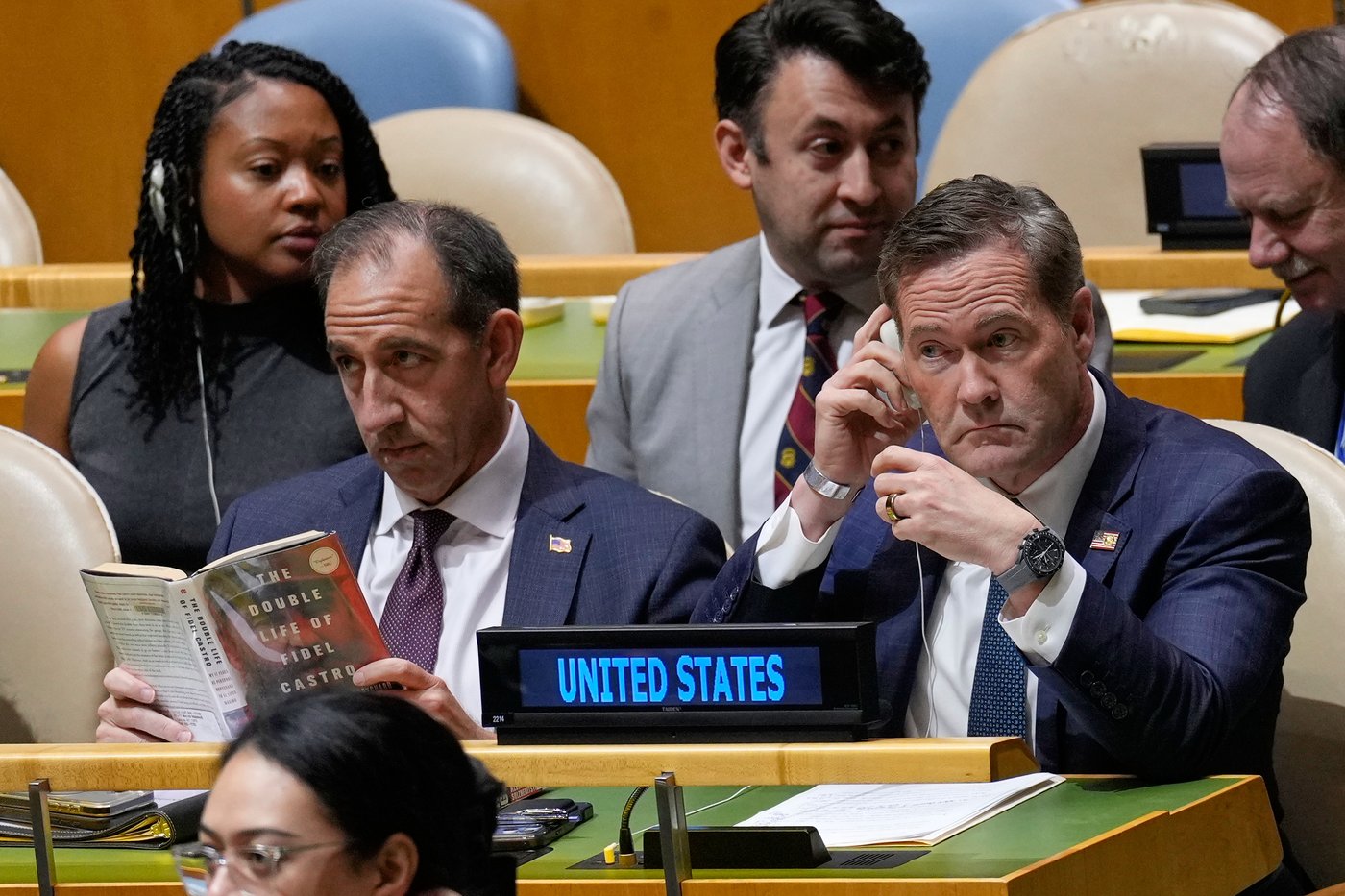
U.S. Ambassador to the U.N. Mike Waltz told member nations that, “your vote today is the only thing standing between the corrupt, kleptocratic communist regime and using this body and your vote for another propaganda victory at the expense of the Cuban people.”
Tensions between Washington and Havana have spilled over into fiery public spats at the United Nations. On Tuesday, Waltz and Rodríguez got into a shouting match on the floor of the General Assembly while debating the embargo resolution.
Shortly after Waltz had begun his criticism of the socialist government, Rodríguez walked down to the podium where the U.S. envoy was addressing the hall and called him a liar while trying to get a point of order from the official presiding over the session.
“This individual needs to back away from this podium. He’s not going to intimidate me in the United States of America,” Waltz said as U.N. security and personnel tried to intervene. “You understand who you’re dealing with? This is America. Back up.”
In a post on X, Rodríguez reminded Waltz where he was making his remarks, saying he’s at the U.N., not at a national security meeting at the White House.
“With his crude lies at the UN General Assembly, the U.S. government has launched another desperate attempt to justify its economic aggression against Cuba and its criminal energy blockade,” he continued.
On the sidelines of the GA hall, Waltz accused a member of Cuba’s delegation of attacking an American diplomat who was filming him. He said Secretary of State Marco Rubio has ordered the official sent home. The State Department on Wednesday confirmed to the AP that the individual accused has left the U.S.
A week earlier, a similar interaction between Waltz and his Cuban counterpart, Ernesto Soberón Guzmán, took place outside a U.S.-hosted panel with Cuban dissidents and former prisoners that sought to highlight allegations of the oppressive behavior of the island’s government.
It all reflects a clear break from the traditional diplomatic decorum expected at the U.N. and the new phase of contentiousness between the U.S. and Cuba.
The U.S. embargo against Cuba was first imposed in 1960 after Fidel Castro led a revolution that toppled dictator Fulgencio Batista and nationalized properties belonging to U.S. citizens and corporations.
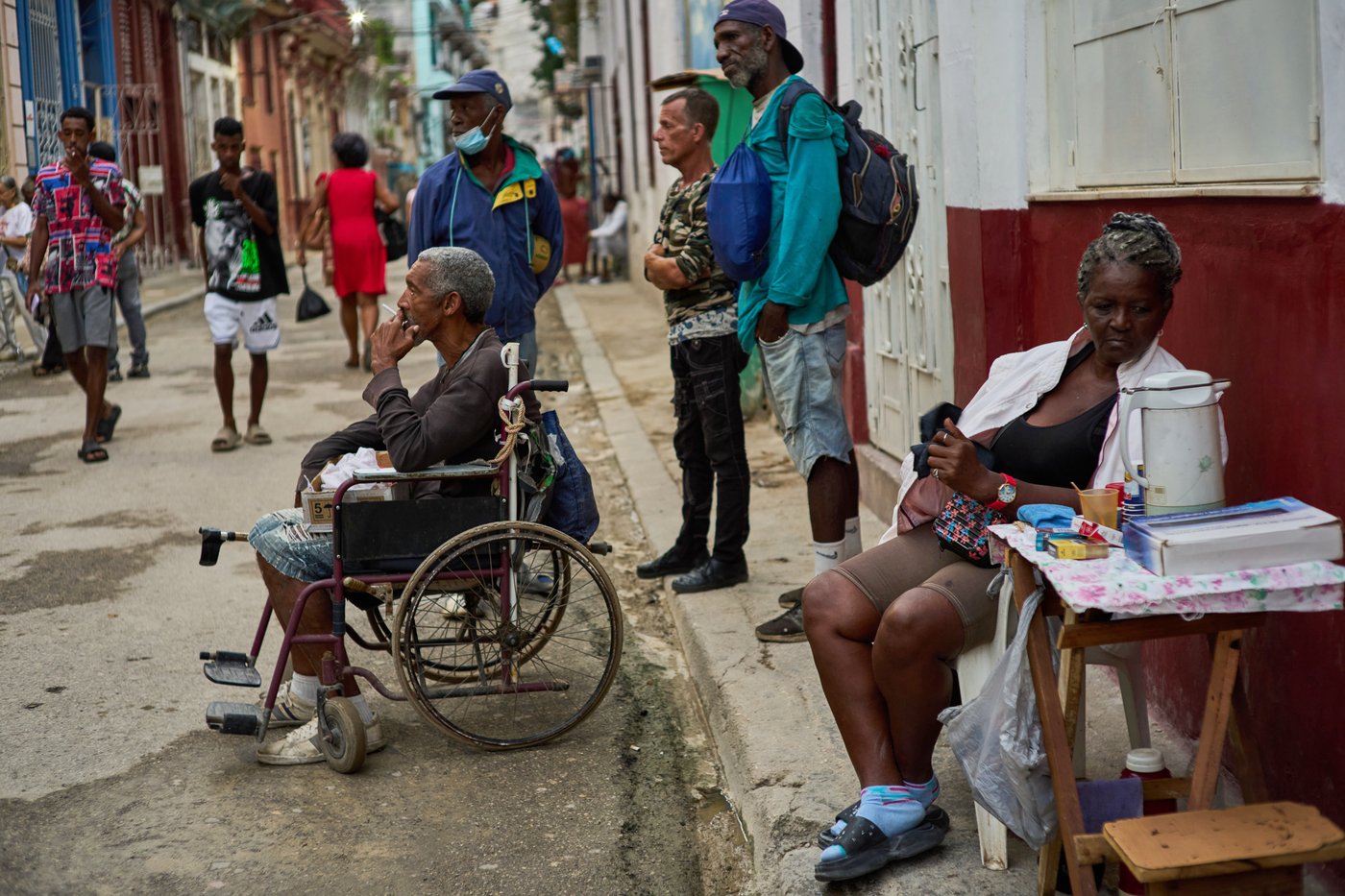
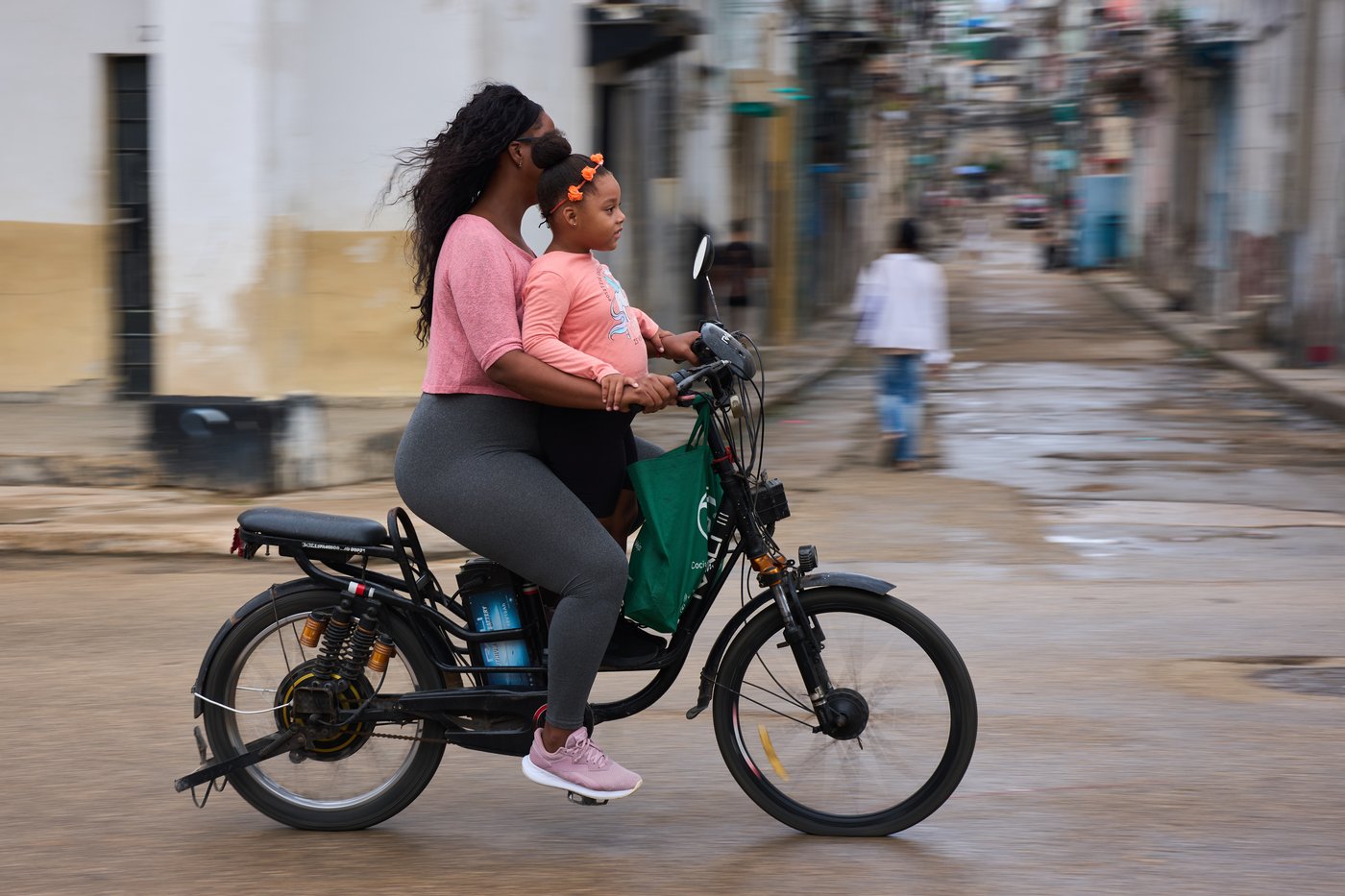
As a result, the Caribbean country has spent decades facing the dire impact of longtime economic and financial troubles and is now being pushed to a breaking point after Trump announced in late January that he would impose tariffs on any country that sells or provides oil to Cuba.
The warning has effectively cut off fuel to the island, leading to widespread power outages that impact basic services such as water supply and internet and telephone services.
___
Associated Press writer Matthew Lee in Washington and Dánica Coto in San Juan, Puerto Rico, contributed to this report.
News from © The Associated Press, . All rights reserved.
This material may not be published, broadcast, rewritten or redistributed.

This site is protected by reCAPTCHA and the Google Privacy Policy and Terms of Service apply.
Want to share your thoughts, add context, or connect with others in your community?
You must be logged in to post a comment.