Elevate your local knowledge
Sign up for the iNFOnews newsletter today!
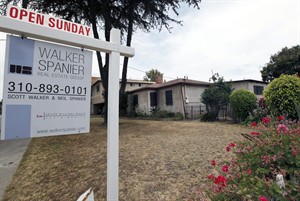
WASHINGTON – U.S. home prices jumped 12.2 per cent in May compared with a year ago, the biggest annual gain since March 2006. The increase shows the housing recovery is strengthening.
The Standard & Poor’s/Case-Shiller 20-city home price index released Tuesday also surged 2.4 per cent in May from April. The month-over-month gain nearly matched the 2.6 per cent increase in April from March — the highest on record.
The price increases were widespread. All 20 cities showed gains in May from April and compared with a year ago.
Prices in Dallas and Denver reached the highest level on records dating back to 2000. That marks the first time since the housing bust that any city has reached an all-time high.
Home values are rising as more people are bidding on a scarce supply of houses for sale. Steady price increases, along with stable job gains and historically low mortgage rates, have in turn encouraged more Americans to buy homes.
Higher home prices help the economy in several ways. They encourage more sellers to put their homes on the market, boosting supply and sustaining the housing recovery. And they make homeowners feel wealthier, encouraging consumers to spend more.

The index covers roughly half of U.S. homes. It measures prices compared with those in January 2000 and creates a three-month moving average. The May figures are the latest available. They are not adjusted for seasonal variations, so the monthly gains reflect more buying activity over the summer.
Mortgage rates have surged since early May, though the increase would have had little impact on the current report. The average rate on a 30-year fixed mortgage has jumped a full percentage point since early May and reached a two-year high of 4.51 per cent in late June.
Rates jumped after Chairman Ben Bernanke said the Federal Reserve could slow its bond-buying program later this year if the economy continues to improve. The Fed’s bond purchases have kept long-term interest rates low, encouraging more borrowing and spending.
In recent weeks, Bernanke and other Fed members have stressed that any change in the bond-buying program will depend on the economy’s health, not a set calendar date.
Since those comments, interest rates have declined. The average on the 30-year mortgage was 4.31 per cent last week.
News from © The Associated Press, . All rights reserved.
This material may not be published, broadcast, rewritten or redistributed.

This site is protected by reCAPTCHA and the Google Privacy Policy and Terms of Service apply.
Want to share your thoughts, add context, or connect with others in your community?
You must be logged in to post a comment.