Elevate your local knowledge
Sign up for the iNFOnews newsletter today!
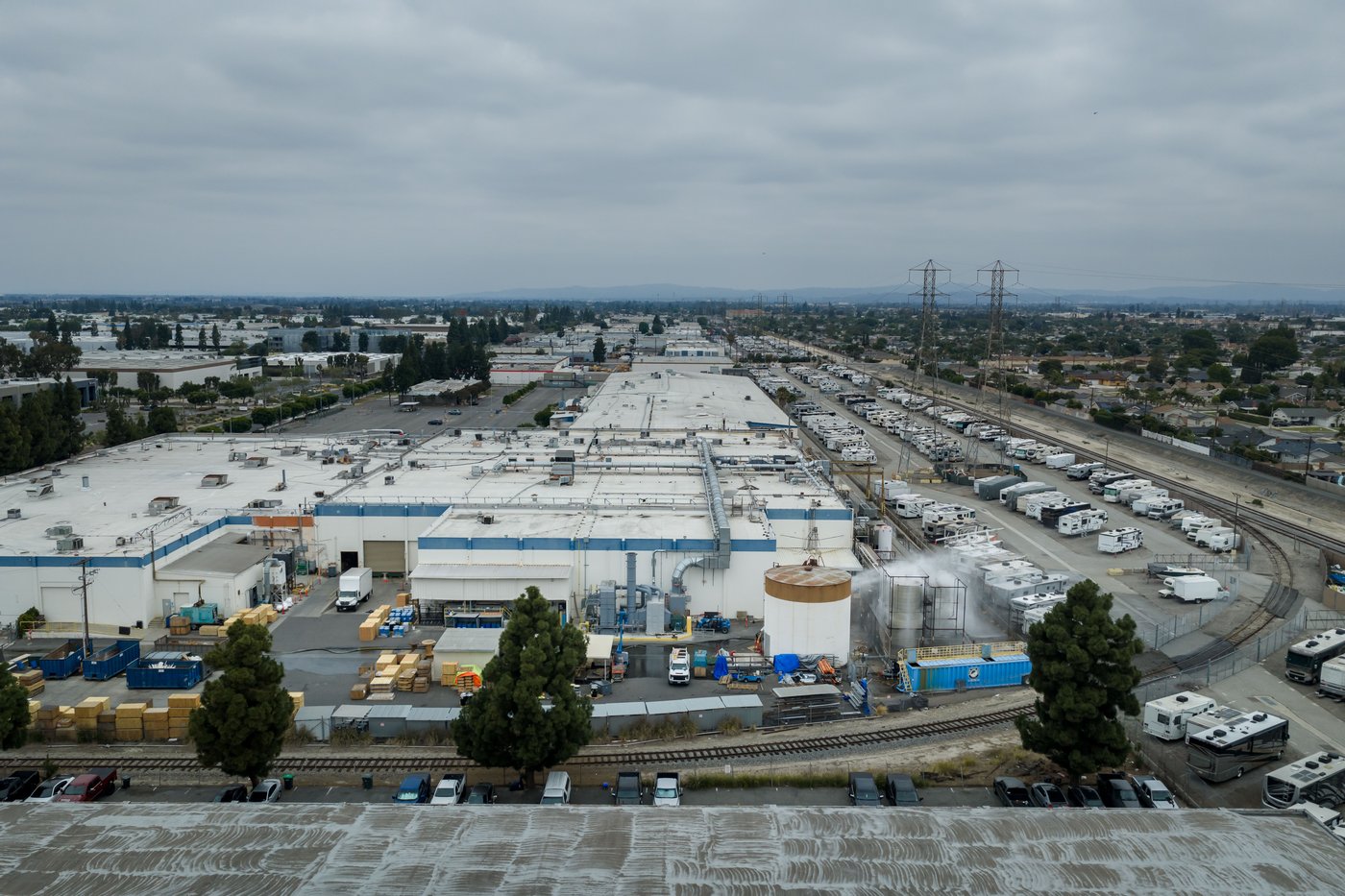
Authorities scrambling to find a safe resolution after a tank containing a hazardous chemical was damaged at a Southern California aerospace plant believe the risk of a catastrophic explosion has been eliminated and have lifted evacuation orders for about two-thirds of the 50,000 who were forced to leave their homes.
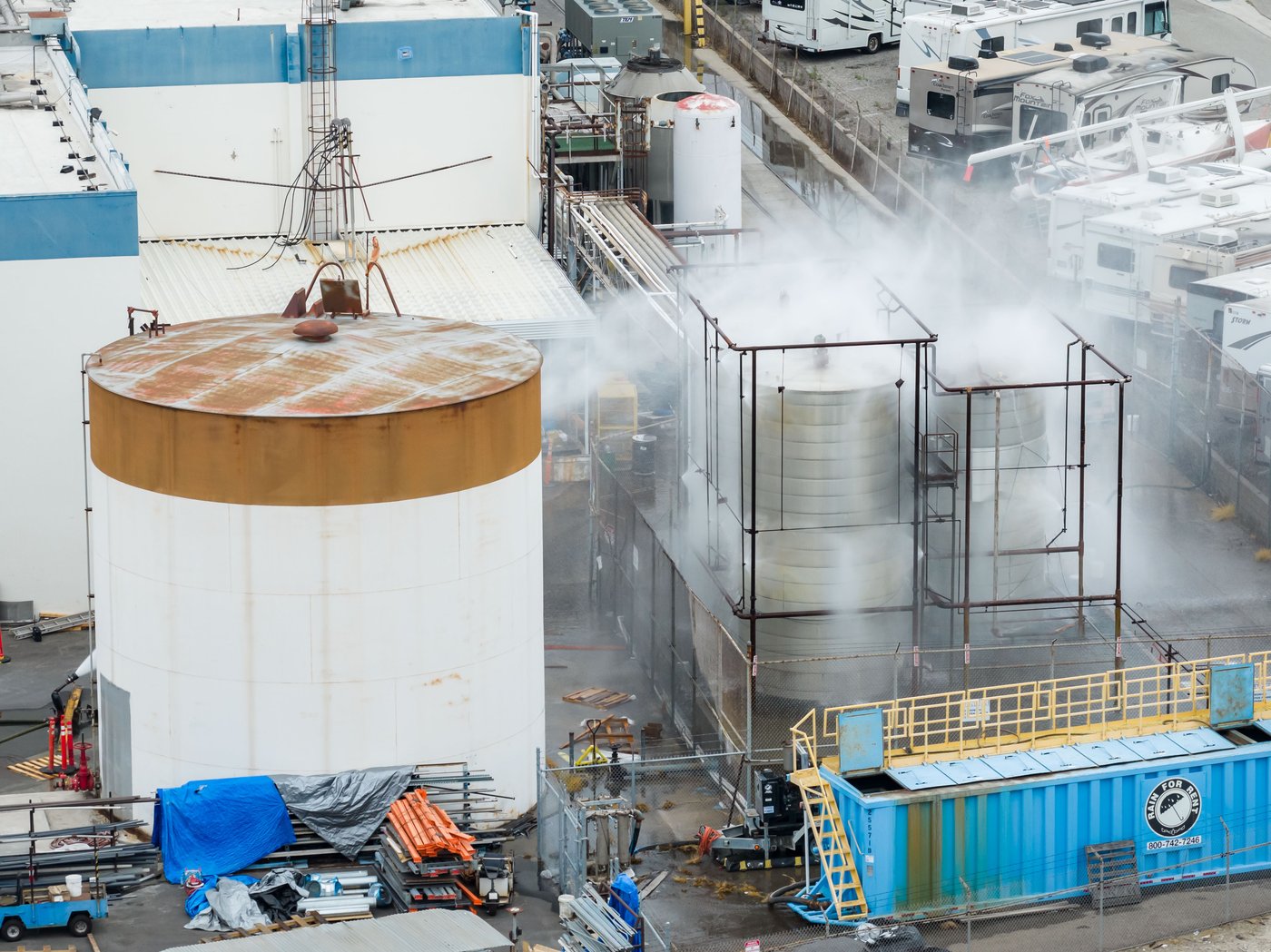
The storage tank at GKN Aerospace containing about 6,000 to 7,000 gallons (23,000 to 26,500 liters) of methyl methacrylate overheated last week in Garden Grove, a city in Orange County.
Officials have said the tank vented vapors as pressure and temperatures rose, but that monitoring has not detected hazardous chemical levels in the atmosphere. No injuries have been reported.
While officials said Monday that an overnight inspection confirmed a crack in the tank relieved pressure and cooled the chemical, they said some risk to public safety remained including a possible fire, spill or small explosion.
What is the latest update?
After the tank overheated Thursday, firefighters repeatedly sprayed it with water in an attempt to cool the chemical inside. Officials said Sunday that a crack that developed in the tank lowered the risk of an explosion.
Orange County Fire Authority division chief Craig Covey said a team that evaluated the tank overnight concluded that the temperature inside had dropped and pressure had been released. He called this “incredibly positive news.”
The tank’s interior reached 100 degrees (37.7 Celsius) Sunday, an increase of 10 degrees Fahrenheit (5.5 Celsius) since Saturday, according to Democratic state Sen. Tom Umberg. On Monday, Covey said the temperature fell to 93 degrees F (33.9 degrees C).
Covey announced Monday night that the evacuation area had been greatly reduced and that many of the evacuees could return home.
Why is this chemical dangerous?
Methyl methacrylate is a flammable, colorless liquid used in the production of resins, plastics and plastic dentures and is regulated by the federal government.
It can irritate the lungs, eyes and skin and in high doses can cause reduced lung function, along with dizziness and memory problems, according to the Environmental Protection Agency.
In prolonged cases, exposure to methyl methacrylate can cause serious respiratory problems or render a person unconscious.
Tests have found that air pollution in the evacuation zone is within normal limits.
What is the problem with the tank?
Officials have said the valves on the tank are broken or “gummed up,” which prevented crews from removing the chemical or relieving the pressure on the tank.
The facility specializes in the production of aircraft transparency systems, including cockpit windows, canopies and windshields. British company GKN Aerospace says on its website that its products are used by major commercial and military aircraft manufacturers worldwide.
The company apologized Monday for the “ongoing disruption this incident is causing,” saying in a statement that its specialists and the Orange County Fire Authority had removed external insulation material from the tank to help cool its contents.
What was the risk of an explosion?
If the temperature inside the tank climbed high enough, it would have caused pressure to build as the methyl methacrylate converted from a liquid to a gas, increasing the risk of explosion and possibly igniting other tanks.
A blast would release the chemical to a wider area and could create vapors that would be hazardous to inhale, according to Orange County’s top health officer, Dr. Regina Chinsio-Kwong.
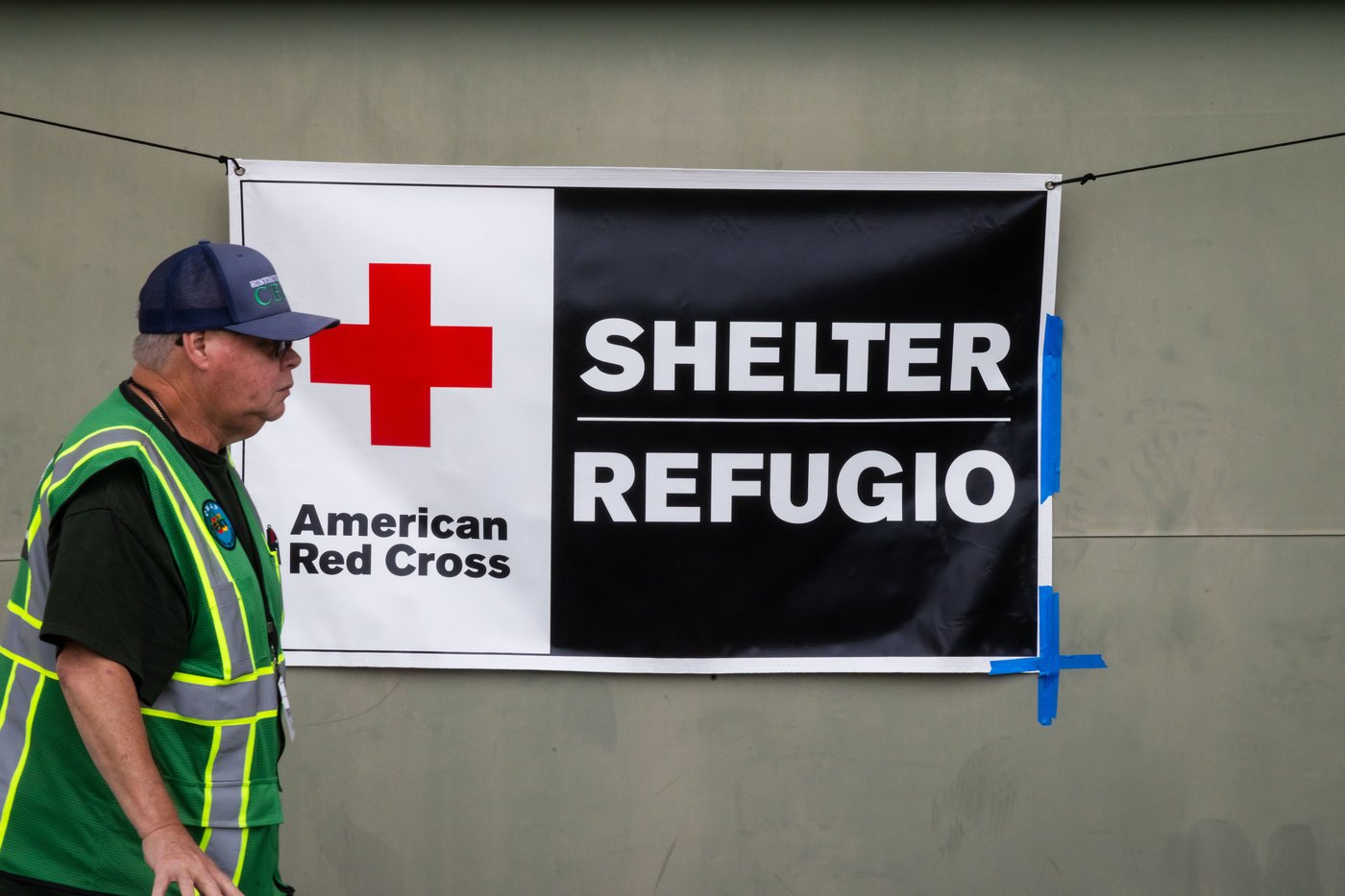
Several evacuation shelters opened over the Memorial Day weekend to house the evacuees.
The evacuation zone was west of Anaheim, home to Disneyland’s two theme parks, which were not under evacuation orders. Chinsio-Kwong said people outside the evacuation zone don’t need to worry about health impacts.
___
Associated Press reporter Leah Willingham contributed to this report.


News from © The Associated Press, . All rights reserved.
This material may not be published, broadcast, rewritten or redistributed.

This site is protected by reCAPTCHA and the Google Privacy Policy and Terms of Service apply.
Want to share your thoughts, add context, or connect with others in your community?
You must be logged in to post a comment.