Elevate your local knowledge
Sign up for the iNFOnews newsletter today!
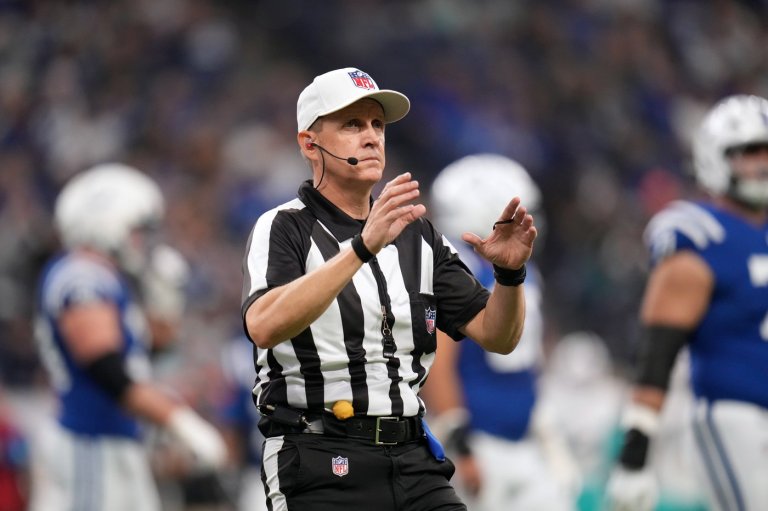
ST. LOUIS – Jim Joyce didn’t even have to think.
“The feet were up in the air,” the umpire said, “and immediately and instinctually I called obstruction.”
Best known for a blown call at first base in 2010 that cost Detroit’s Armando Galarraga a perfect game, Joyce made the controversial call that gave the St. Louis Cardinals a 5-4 win over the Boston Red Sox on Saturday night and a 2-1 World Series lead.
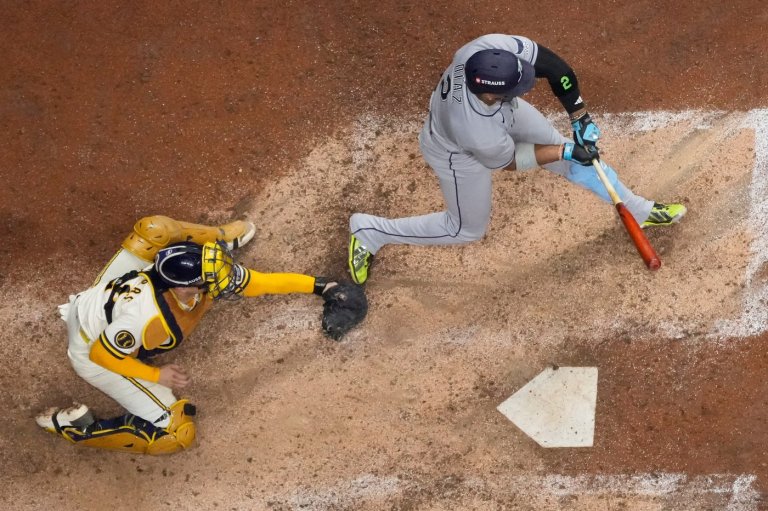
Boston third baseman Will Middlebrooks was flat on his stomach when he raised both legs and tripped up Allen Craig in the ninth inning. Joyce immediately called obstruction, making it immaterial that left fielder Daniel Nava retrieved catcher Jarrod Saltalamacchia’s errant throw and got the ball home in time for a tag.
“There does not have to be intent, OK?” crew chief John Hirschbeck said. “Once he has the opportunity to field the ball, he can no longer in any way obstruct the runner. That’s basically the rule.”

In Joyce’s view, Middlebrooks would have been called for obstruction even if he hadn’t raised his legs.
“The feet didn’t play too much into that because he was still in the area where the baserunner needs to go to advance to home plate,” the umpire said. “The baserunner has every right to go unobstructed to home plate, and unfortunately for Middlebrooks he was right there. And there was contact, so he could not advance to home plate naturally.”
Joyce, a 58-year-old veteran of a quarter-century in the major leagues, made the right decision, according to Major League Baseball officials and Hirschbeck.
“Immediately after we got off the field into our locker room, we congratulated Jim and said, ‘Great call,'” the crew chief explained. “We’re trained to look for these things. It’s out of the ordinary, but when it happens, and it’s the World Series, you expect to get it right.
News from © The Associated Press, . All rights reserved.
This material may not be published, broadcast, rewritten or redistributed.

This site is protected by reCAPTCHA and the Google Privacy Policy and Terms of Service apply.
Want to share your thoughts, add context, or connect with others in your community?
You must be logged in to post a comment.