Elevate your local knowledge
Sign up for the iNFOnews newsletter today!
Elevate your local knowledge
Sign up for the iNFOnews newsletter today!
Select Region
Selecting your primary region ensures you get the stories that matter to you first.
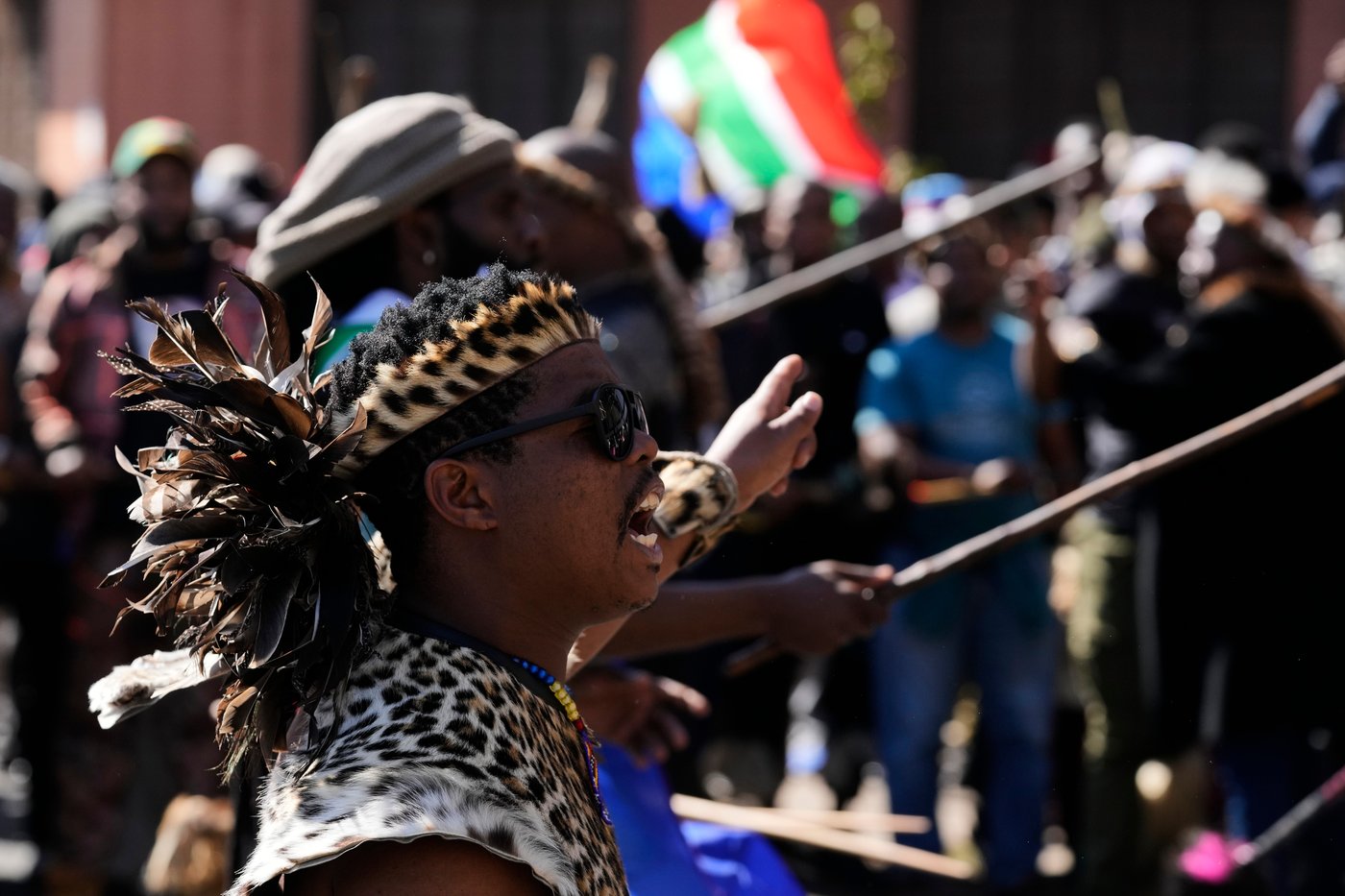
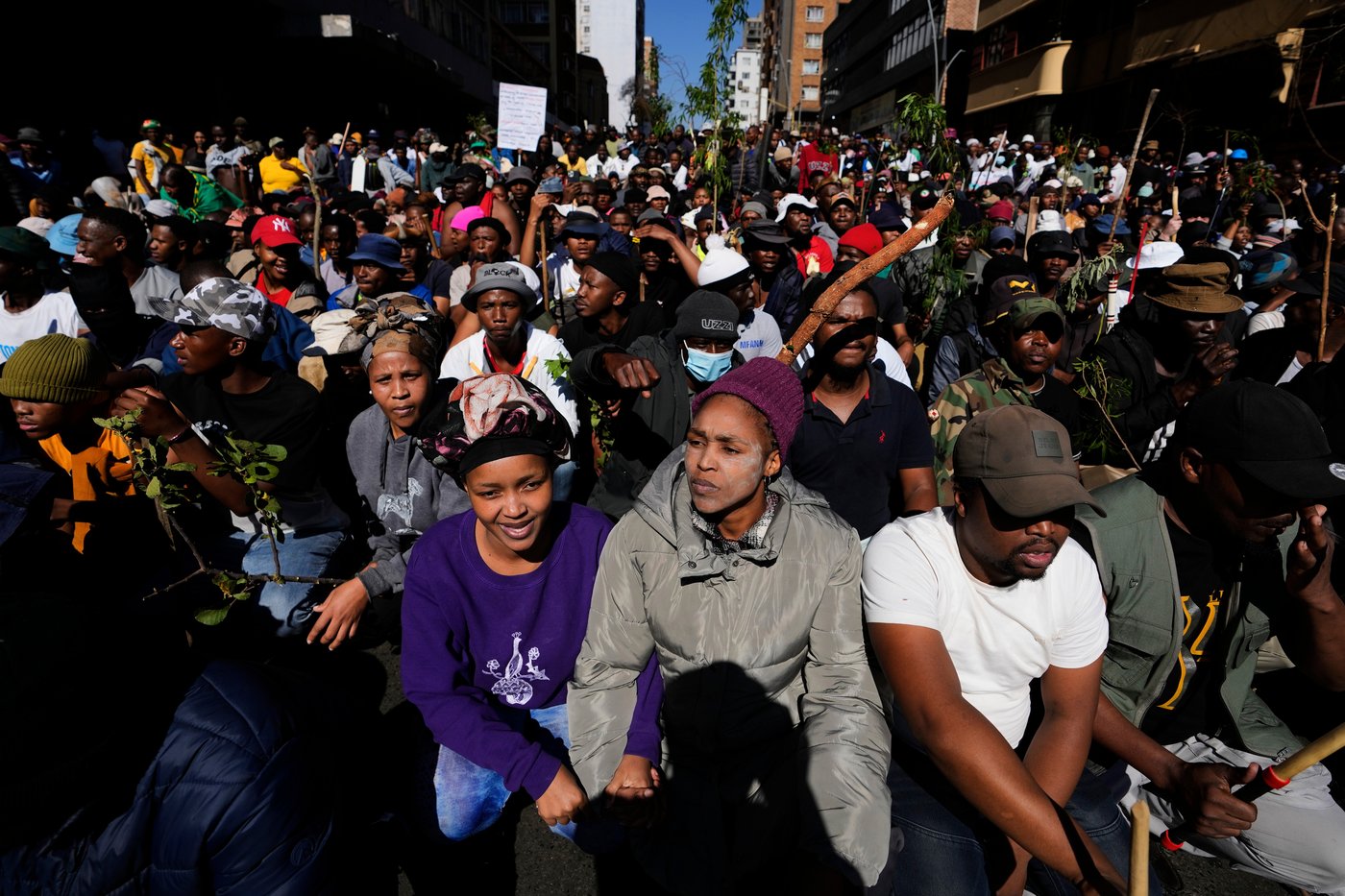
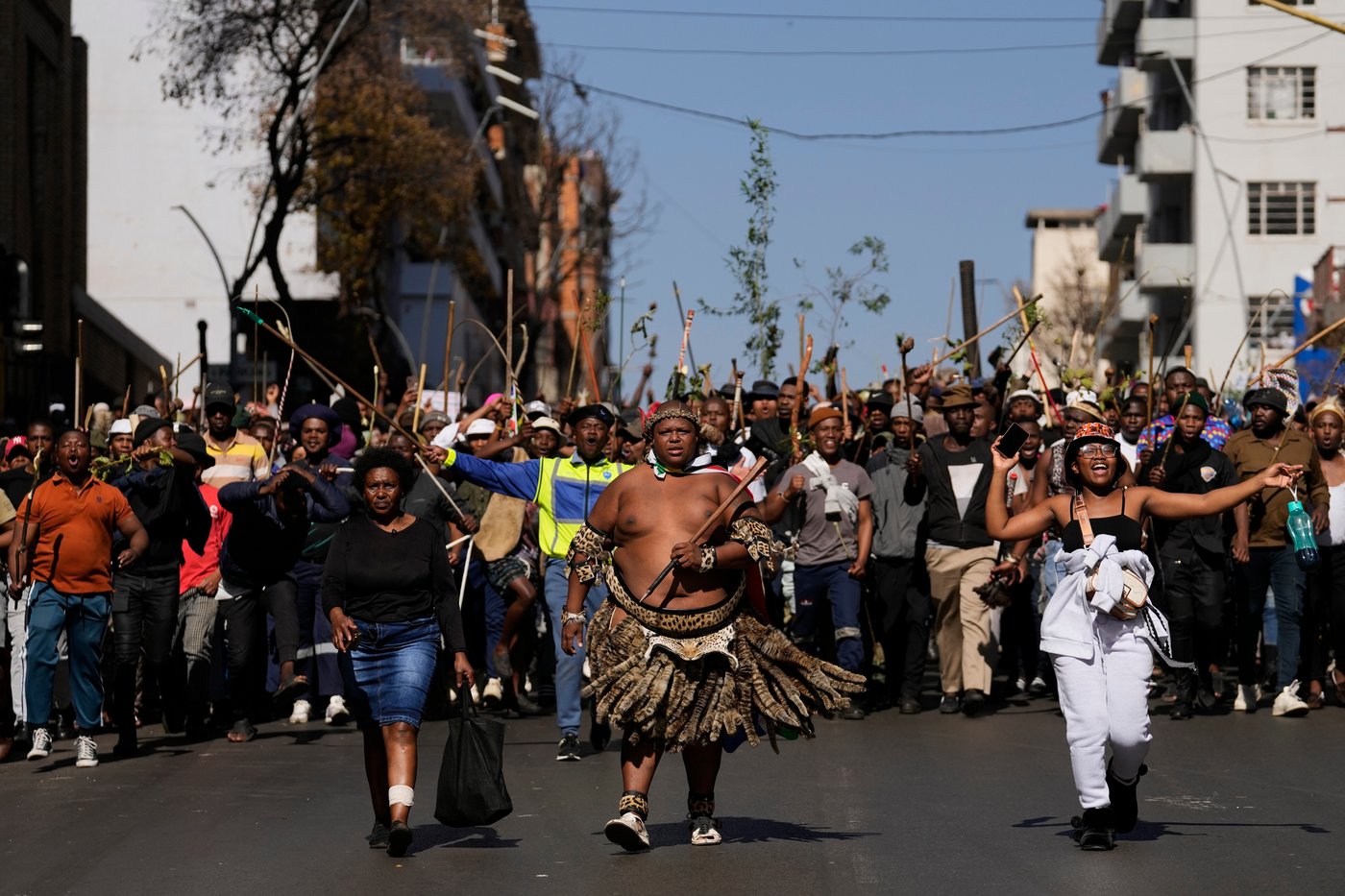
JOHANNESBURG (AP) — Thousands of demonstrators gathered in parts of South Africa to rally against illegal immigration on Tuesday in the biggest migration-related protests since the wave of anti-migrant violence in 2008. Authorities said the marches were largely peaceful despite isolated incidents of looting and attempted looting.
Police reported that several people were arrested, although they did not disclose how many. At a press conference late on Tuesday, Justice Minister Mmamoloko Kubayi praised the peaceful nature of the protests but warned that anyone involved in violence or other criminal acts would be prosecuted.
“Those who chose to exploit the marches to commit criminal acts will face the full might of the law,” she told reporters. “Police will continue to identify, arrest and prosecute all those responsible for criminal conduct.”
Protesters blame migrants, but root of South Africa’s problems disputed
The demonstrations come after some protest groups set their own June 30 deadline for the departure of all migrants who are in the country illegally. The activists blame those migrants for causing unemployment among South Africans by accepting low wages, and for other problems, including high crime.
South Africa’s government has rejected the deadline, saying only authorities can enforce immigration laws.
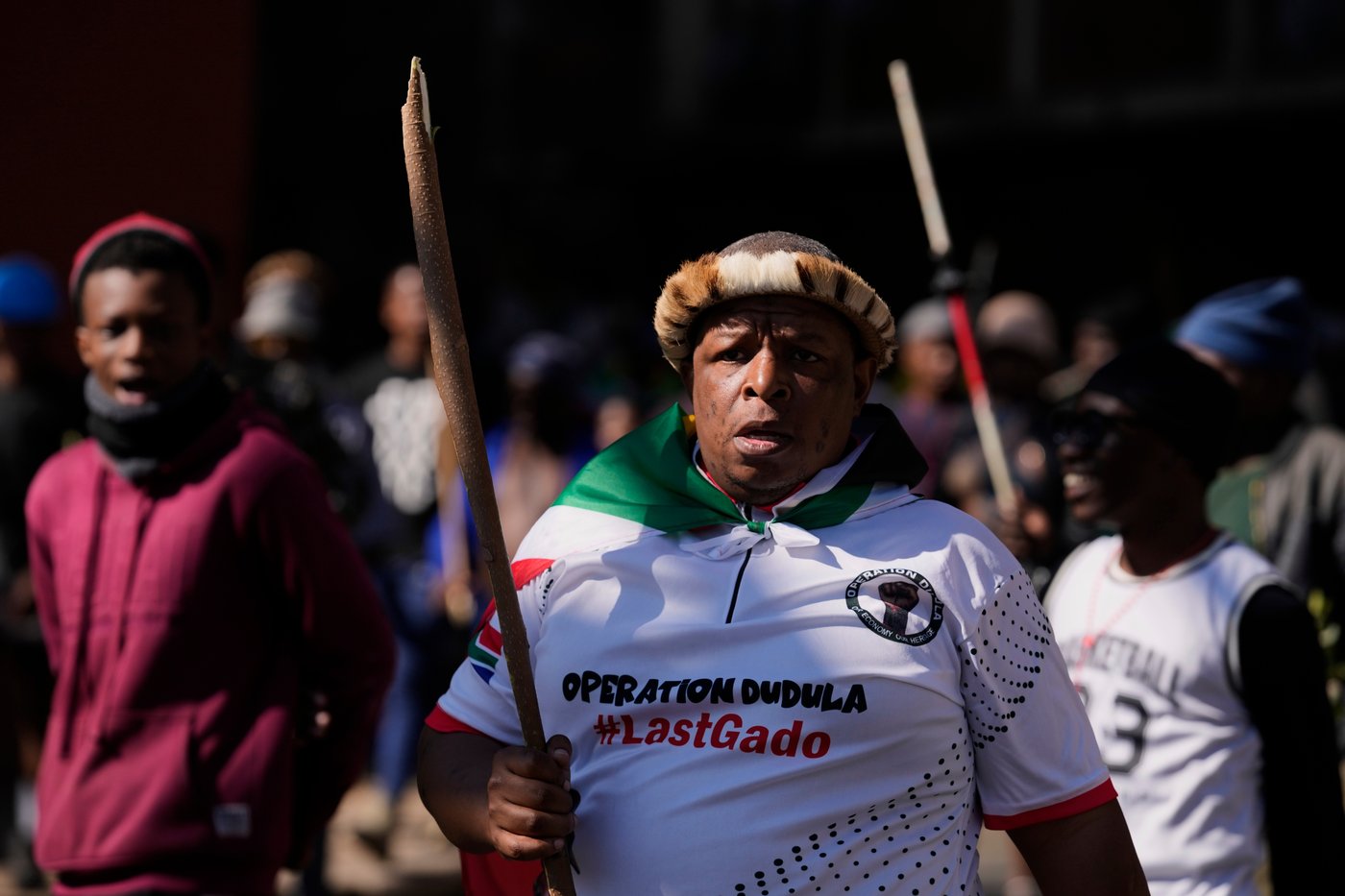
The most prominent groups opposing illegal immigration include March and March, Operation Dudula and Progressive Forces. President Cyril Ramaphosa, who has challenged the protesters’ allegation that migrants are to blame for the country’s social and economic challenges, met Monday night with leaders of some of the groups and asked them to conduct peaceful demonstrations.
Ngizwe Mchunu, one of the protest leaders, told The Associated Press that he blamed illegal migration for a proliferation of illicit drugs in South Africa. He also complained about the high percentage of informal neighborhood shops run by immigrants from other African countries, saying they should all be owned by South Africans.
“It’s a very sad story that we have been telling our government since the dawn of democracy that illegal immigration here is out of hand,” Mchunu said. “It is time for our government to put South Africa first.”
Amnesty International South Africa said migrants, refugees and asylum seekers are being unfairly blamed for the country’s unemployment, inequality and struggling public services, arguing that those challenges stem from the legacy of apartheid, persistent inequality and failures in the asylum system.
The rights group warned that scapegoating foreign nationals distracts from the government’s responsibility to address those underlying problems and said misinformation and xenophobia risk fueling further violence against migrants, according to a statement from Amnesty International South Africa executive director Shenilla Mohamed.
Demonstrators express frustration
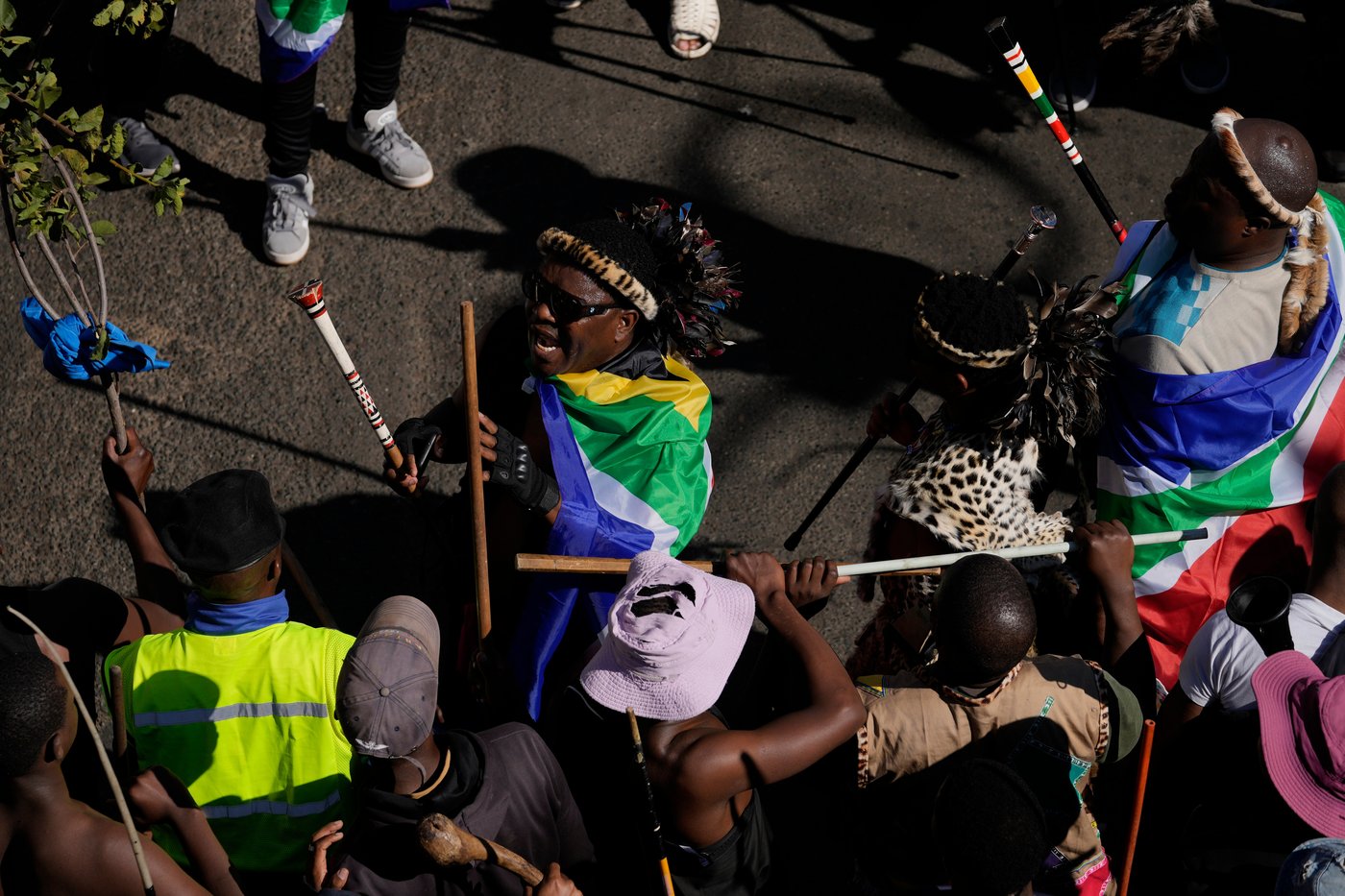
Protesters marching through Johannesburg’s city center Tuesday included young men carrying traditional fighting sticks and women of all ages. Some wore the South African flag and sang liberation songs.
They carried posters with slogans including “SA withdraw from the U.N. refugee convention,” “The future of our kids” and “80% of children born in Limpopo province are born to foreign nationals.”
“Today is the last day,” protester Nkele Thebe said at the start of the Johannesburg demonstration. “After today, we’ll be dealing with our president and our nation. We don’t want an outsider to come interfere.”
Another protester, Bongani Cindi, said groups opposing illegal immigration were being unfairly labeled as xenophobic for raising legitimate issues.
“Our country has got a lot of problems. We have influx of illegal immigrants who are committing crimes that we can’t even take anymore. So we need them to leave us in peace, so we can sort our house. We are not fighting anyone,” he said.
Demonstrators also gathered Tuesday in parts of Durban with reports of more protesters in parts of the North West and Free State provinces.
The South African police deployed hundreds of officers in cities including Johannesburg in Gauteng province and Durban in KwaZulu-Natal province to prepare for potential violence.
Previous marches against illegal immigration have resulted in attacks on migrants and vandalism of foreign-owned businesses. In Johannesburg, most shops owned by both foreign nationals and locals were closed before protesters arrived on Tuesday. In some parts of the country, private security firms were protecting businesses.
Protests fuel an exodus of migrants
Thousands of migrants, primarily from neighboring Zimbabwe and Malawi, gathered at their embassies and consulates to request transport back to their countries.
There has been increased traffic over the past few days at the Beitbridge checkpoint along the Zimbabwe border as buses carrying migrants left South Africa. Thousands of Malawian nationals also have returned to their country from a temporary repatriation center in Durban.
Three groups of Nigerian migrants returned to Nigeria this month amid rising anti-immigrant tensions, including a group of 271 people who arrived in Lagos on Tuesday.
According to Nigerian officials, 632 Nigerians have been repatriated out of the more than a thousand Nigerians who have registered for the voluntary repatriation and more flights are expected in coming days.
Emmanuella Akagbosun, a 44-year-old who moved to South Africa in 2017, said she left because she feared she would be killed. She said the shop that she shared with her sister was ransacked by the anti-migrant protesters and their wares looted.
“We are not safe, so we had to leave,” Akagbosun said in Lagos.
Fintan Opara, another Nigerian national repatriated after 18 years in South Africa, said most Nigerians no longer feel welcome in the country.
According to Justice Minister Kubayi, South Africa has successfully repatriated 4,286 individuals thus far and deported an additional 419 in recent days.
___
Associated Press writer Ope Adetayo in Lagos, Nigeria, contributed to this report.
News from © The Associated Press, . All rights reserved.
This material may not be published, broadcast, rewritten or redistributed.

This site is protected by reCAPTCHA and the Google Privacy Policy and Terms of Service apply.
Want to share your thoughts, add context, or connect with others in your community?
You must be logged in to post a comment.