Elevate your local knowledge
Sign up for the iNFOnews newsletter today!
NEW YORK (AP) — A Legionnaires’ disease outbreak in a New York City neighborhood now counts 60 cases, but new diagnoses are slowing, health officials said Tuesday. They reported progress on inspections for the disease-causing bacteria — finding traces in dozens of buildings including the famed Metropolitan Museum of Art — but still haven’t pinpointed a source.
No one has died in the outbreak on Manhattan’s Upper East Side, but 49 patients have required hospitalization, though 34 so far have gone home, city Health Commissioner Dr. Alister Martin said. City data show two new cases were diagnosed from samples taken Sunday and Monday, compared to as many as 11 per day from earlier samples.
“All of these things together paint an encouraging sign,” Martin said at a virtual news briefing.
It came a day after City Council Speaker Julie Menin, a Democrat and Upper East Side resident, complained that the Health Department wasn’t doing and disclosing enough. Menin said Wednesday she plans a Council hearing to examine the city’s handling of the outbreak and “demand accountability.”
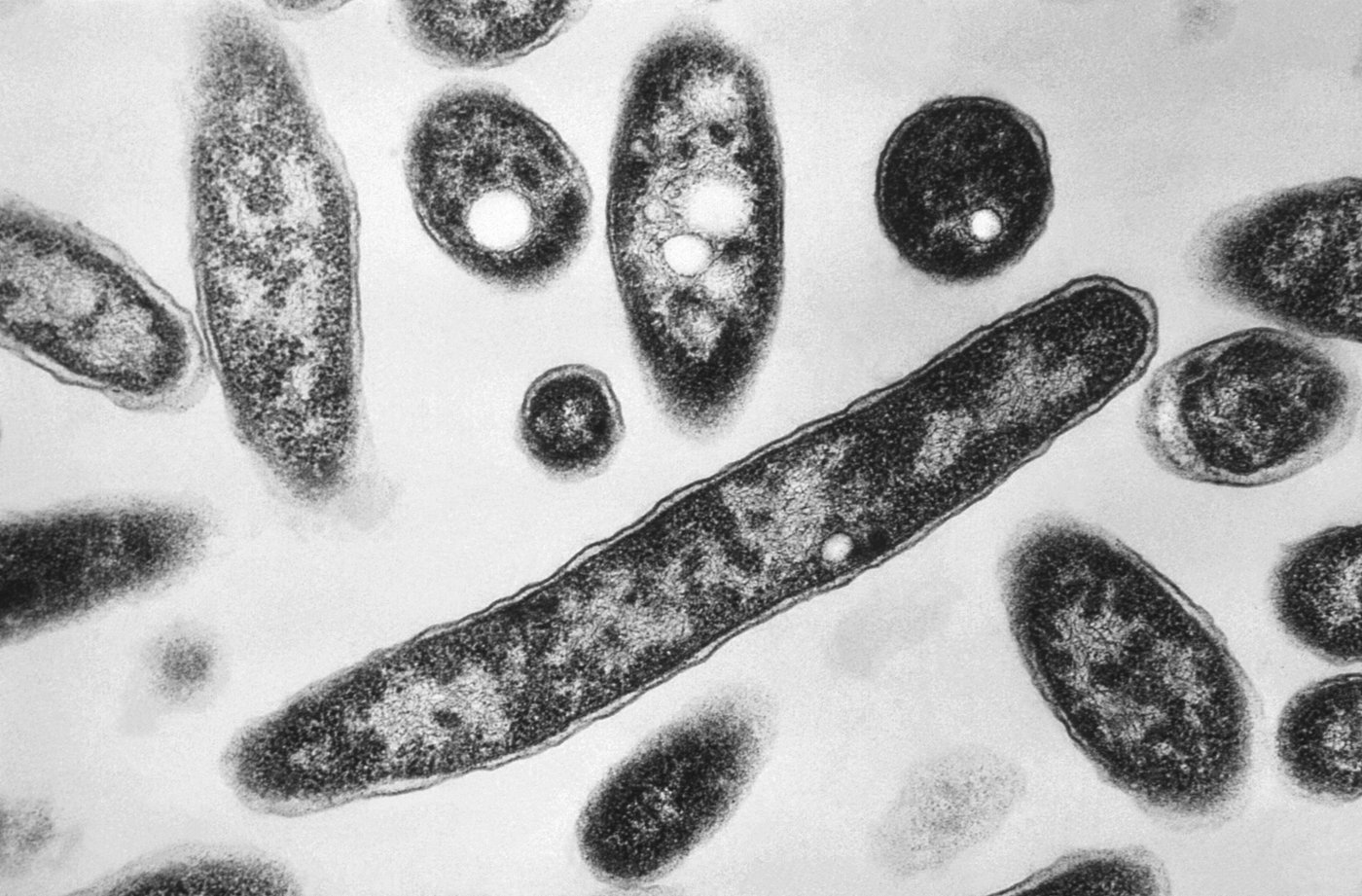
Legionnaires’ disease is a form of pneumonia caused by Legionella bacteria, which grow in warm water and can spread in building cooling systems, hot tubs and showerheads. In many cases, people contract the disease by inhaling tiny droplets of contaminated water; Legionnaires’ disease doesn’t spread person-to-person.
The illness is treatable, but it is fatal in about 10% of cases, according to the U.S. Centers for Disease Control and Prevention. Seven people died and more than 100 were sickened during an outbreak last year in New York’s Harlem neighborhood. The sources turned out to include cooling towers — devices sometimes used for cooling large buildings — at a city-run hospital and the site of the city’s public health lab.
Health officials are working to identify the origin of the Upper East Side outbreak, which was first identified on July 2 from two cases in close proximity. The investigation expanded to encompass three heavily residential ZIP codes.
The city said Tuesday it has inspected all 183 cooling towers in the area, and about 75 of them came up positive on first-round tests that don’t distinguish between live and dead bacteria.
Those buildings include the Metropolitan, according to a list the city released Tuesday. The storied museum said it was working on the required cleanup and follow-up testing. It’s normally closed Wednesday and canceled the day’s few activities to ease the cleaning.
City officials said last week that they got positive tests at the Guggenheim Museum, private schools, Park and Fifth Avenue apartment houses, and more.
Most already finished the required cleanups, which entail draining and disinfecting the cooling towers, Martin said. The remaining buildings are to be done by Thursday.
Martin said the city acted with unprecedented speed in ordering cooling tower cleanups after the first-round tests. In the past, he said, officials awaited results from second-round tests for live bacteria. Those tests take about two weeks.
Menin, the Council speaker, contends the city should have demanded cleanups throughout the area right away, without waiting for any tests.
News from © The Associated Press, . All rights reserved.
This material may not be published, broadcast, rewritten or redistributed.

This site is protected by reCAPTCHA and the Google Privacy Policy and Terms of Service apply.
Want to share your thoughts, add context, or connect with others in your community?
You must be logged in to post a comment.