Elevate your local knowledge
Sign up for the iNFOnews newsletter today!
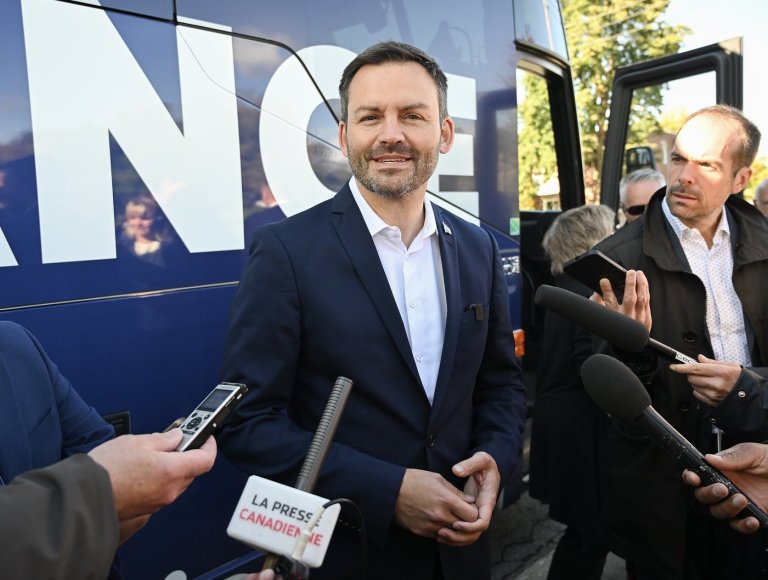
MONTREAL — The Parti Québécois is projected to form a minority government, completing a dramatic political comeback and paving the way for an eventual third sovereignty referendum.
The party was leading in nearly 60 ridings shortly after polls closed.
The crowd exploded with cheers at a PQ watch party in Montreal as the party was declared elected, with supporters dressed in blue and white chanting “Quebec, a country,” in French.
PQ Leader Paul St-Pierre Plamondon had pledged in the campaign that a PQ government would launch a referendum to separate Quebec from Canada, but not before U.S. President Donald Trump leaves the White House in 2029.
The PQ has also promised to more than halve temporary immigration in Quebec as well as to table legislation to abolish the monarchy, and diverting funds used to pay the lieutenant-governor to tackling homelessness.
The Parti Québécois won only three seats in 2022, the lowest total ever since the party was founded in 1968. That number increased to seven by the start of the campaign, after four straight byelection wins.
The sovereigntist party capitalized on Quebecers’ desire for change after eight years of Coalition Avenir Québec rule in the province.
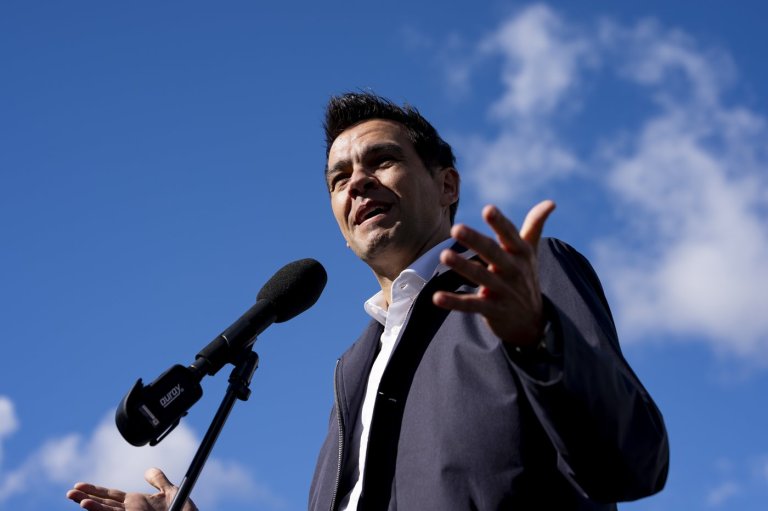
The Quebec Liberals and their leader Charles Milliard were running a strong second with the lead in about 40 ridings two hours after the polls closed. Milliard was declared elected in his riding of Orford shortly after 9 p.m.
There was also good news early in the evening for the Quebec Conservatives, as their leader, Éric Duhaime was declared elected in a riding south of Quebec City.
He is the first candidate to be elected under the Conservative banner in modern history, although the party has had a recent presence in the legislature in former CAQ member Maïté Blanchette Vézina, who crossed the floor.
Conservatives were leading in 20 ridings in early returns and Duhaime has promised to use his leverage to act as a “guard dog” that will protect taxpayer interests and attempt to block a referendum vote.
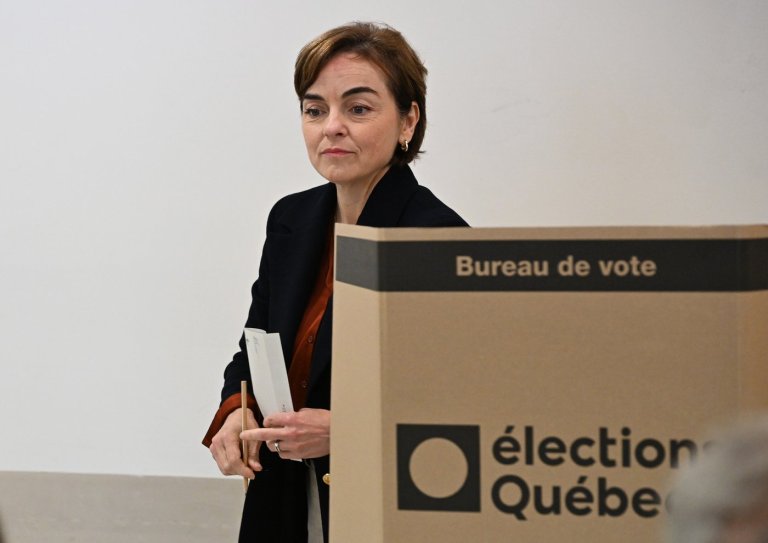
CAQ Leader Christine Fréchette’s party was in danger of being wiped off the electoral map.
Fréchette took over as leader and premier in April, replacing former premier François Legault.
She spent much of her campaign warning of the dangers of a referendum at a time when the U.S. trade war is destabilizing the economy, and had argued that her party was best placed to guide the province through the storm.
Québec solidaire spokesperson Ruba Ghazal was declared elected in her Montreal riding, as the left-wing sovereigntist party appeared poised to hold on to most of its seats.
When the election campaign began, the CAQ held 79 seats, the Liberals had 18, Québec solidaire 11 and the PQ held seven seats. There were nine Independents and one Conservative.
This report by The Canadian Press was first published Oct. 5, 2026.
News from © The Canadian Press, . All rights reserved.
This material may not be published, broadcast, rewritten or redistributed.

This site is protected by reCAPTCHA and the Google Privacy Policy and Terms of Service apply.
Want to share your thoughts, add context, or connect with others in your community?
You must be logged in to post a comment.