Elevate your local knowledge
Sign up for the iNFOnews newsletter today!
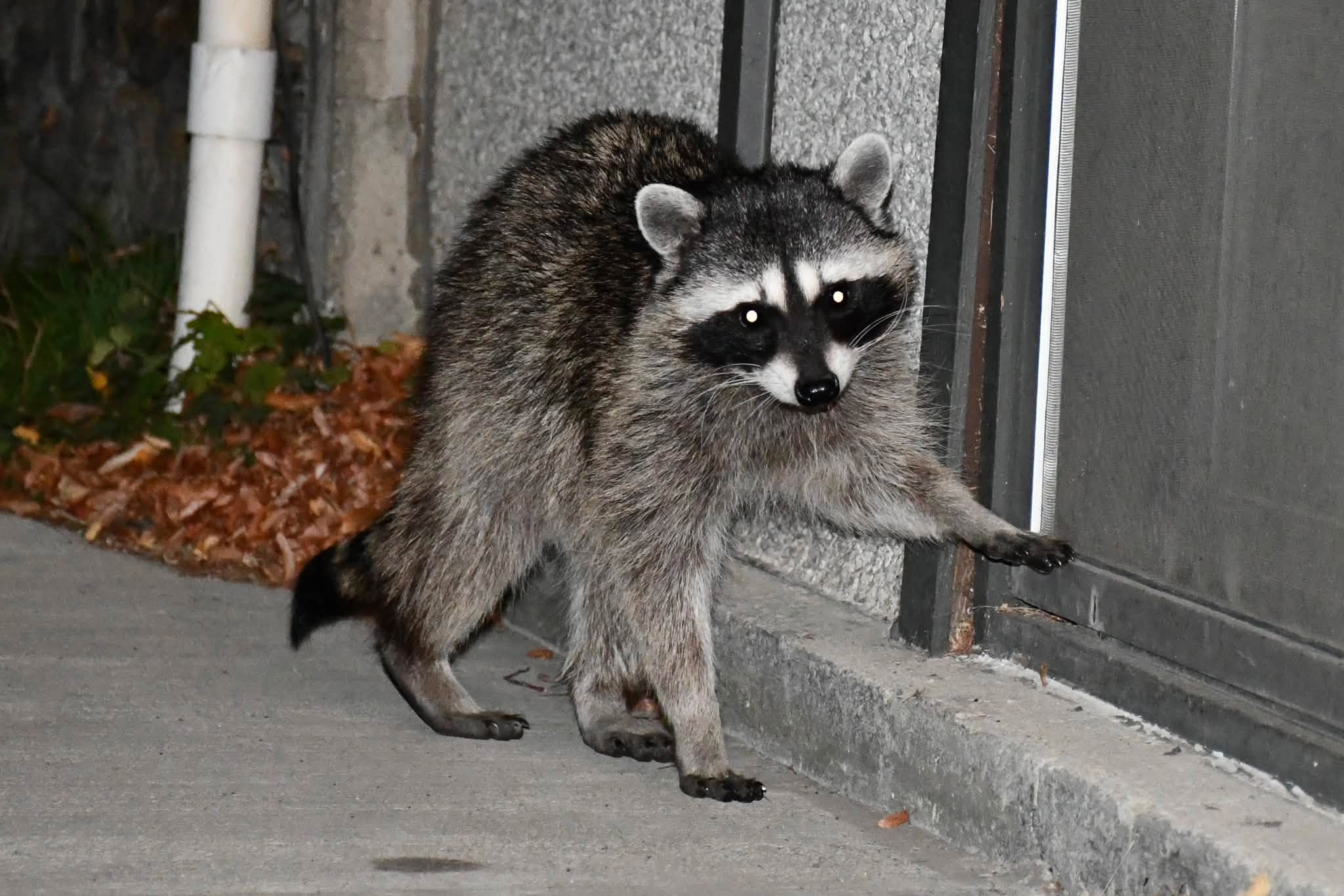
The fall season is the most common time to see raccoons rummaging around properties in urban spaces, using their dexterous paws to access snacks.
Known as trouble makers by some, and adorable masked bandits by others, raccoons are famously curious and clever.
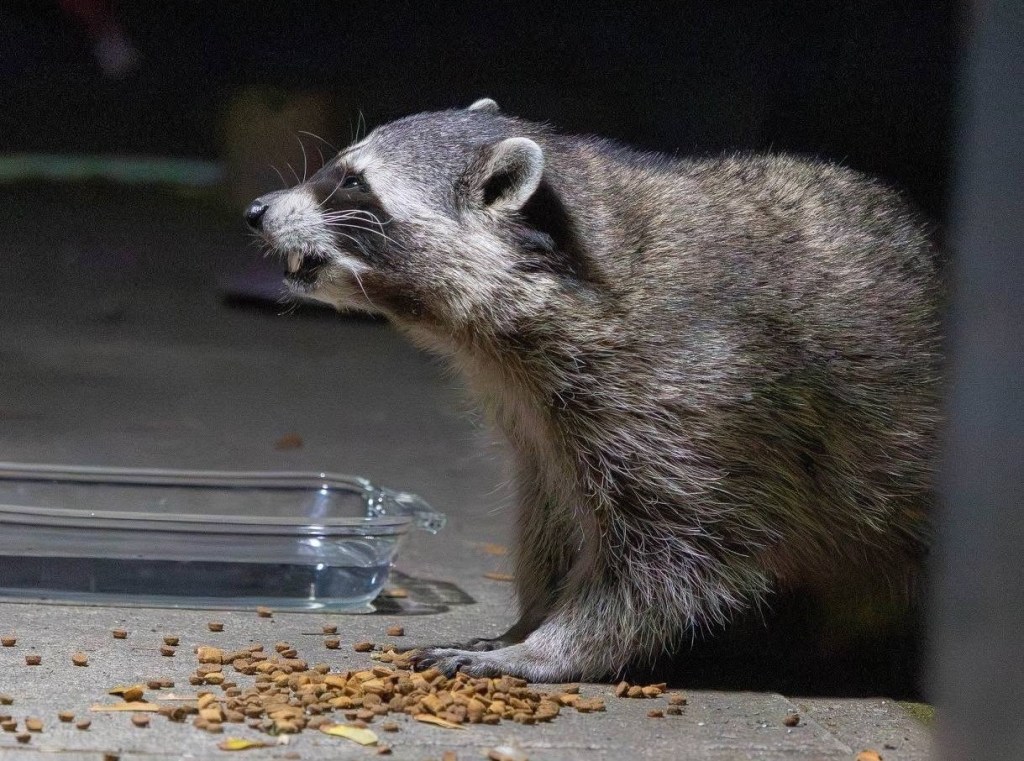
Opportunistic omnivores, the critters eat almost anything and their nimble hands can open latches and jars, and help them swim, fish and climb trees to get food.
Most raccoons will hunker down into dens in hollow trees, abandoned burrows or buildings for the winter months, although if temperatures are mild and food is easily accessible, some will stay active all year round, according to Wildlife BC.
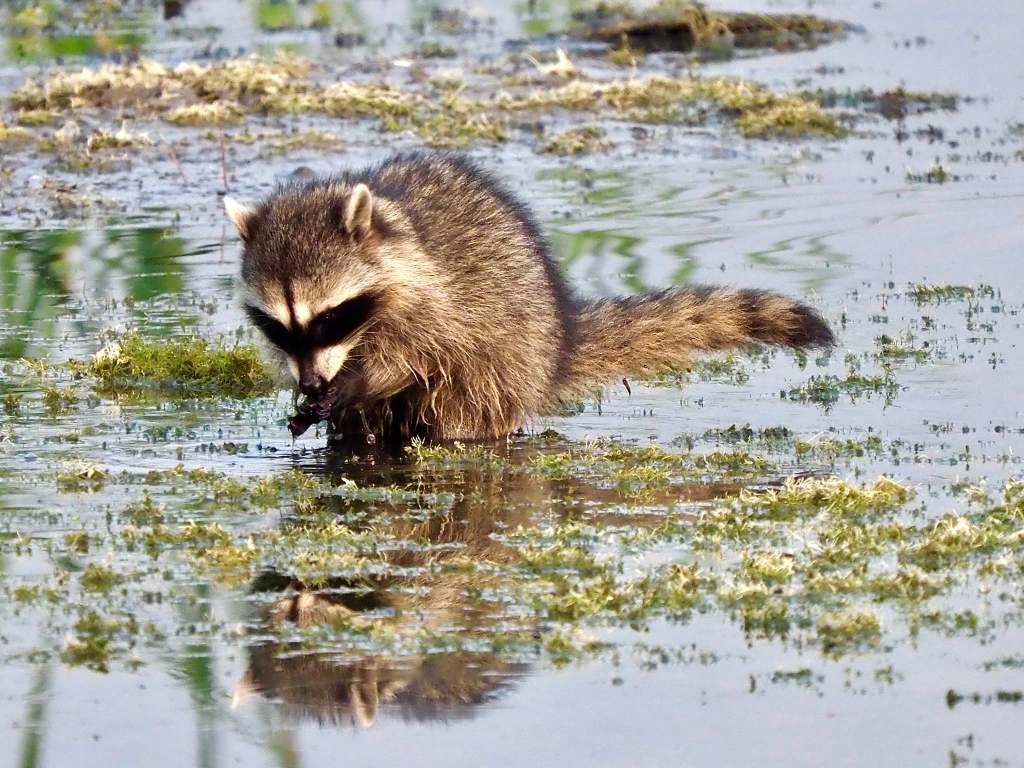
While their resourceful antics can be entertaining, raccoons cause damage to gardens, buildings and crops, and tear up lawns looking for grubs. The creatures are able to carry rabies and their feces can have a roundworm parasite that is potentially harmful to humans.
Wildlife BC strongly recommends residents don’t feed raccoons as they easily become habituated to humans and food-conditioned, and they can become aggressive if cornered or handled. If you find yourself face to face with a raccoon, give it space and make noise.
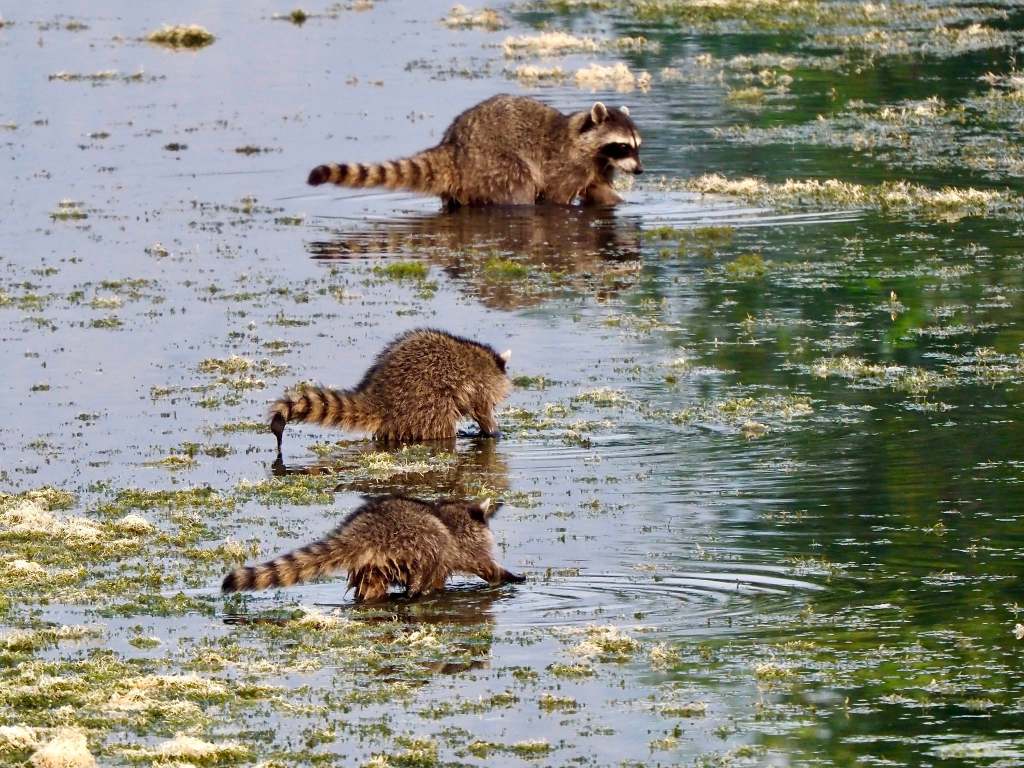
Keeping garbage bins tightly closed and secured until collection day, cleaning up fallen fruit and removing bird feeders are a few suggestions on preventing raccoon activity on properties.
Pets should be fed indoors and smaller pets kept in at night to avoid conflicts with raccoons.
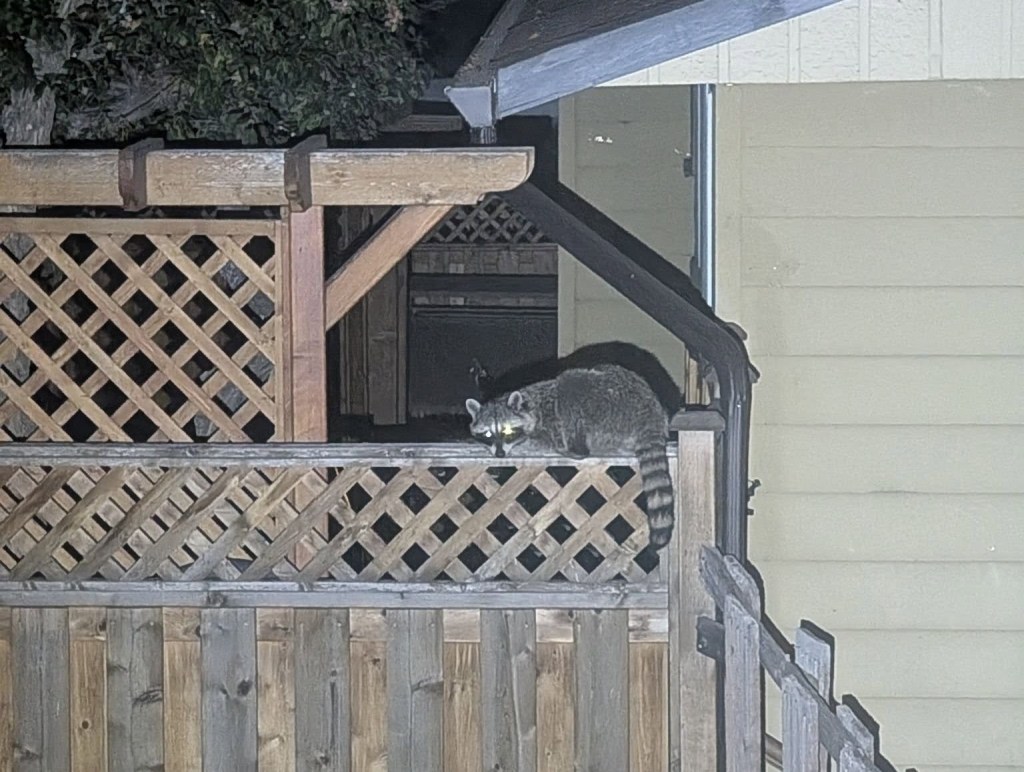
Anyone with a small farm can use an electric fence around chickens, beehives and small livestock, and be sure to store all feed in a secure location. Motion-activated lights, sprinklers or even radios may help deter raccoons from gardens and orchards.
Raccoons are protected under the BC Wildlife Act, however, it is legal for homeowners to trap and relocate raccoons without a permit if they are damaging property. It is not legal to use poison to get rid of them, and raccoons shouldn’t be removed from nesting sites until the kits are mobile and able to forage on their own.
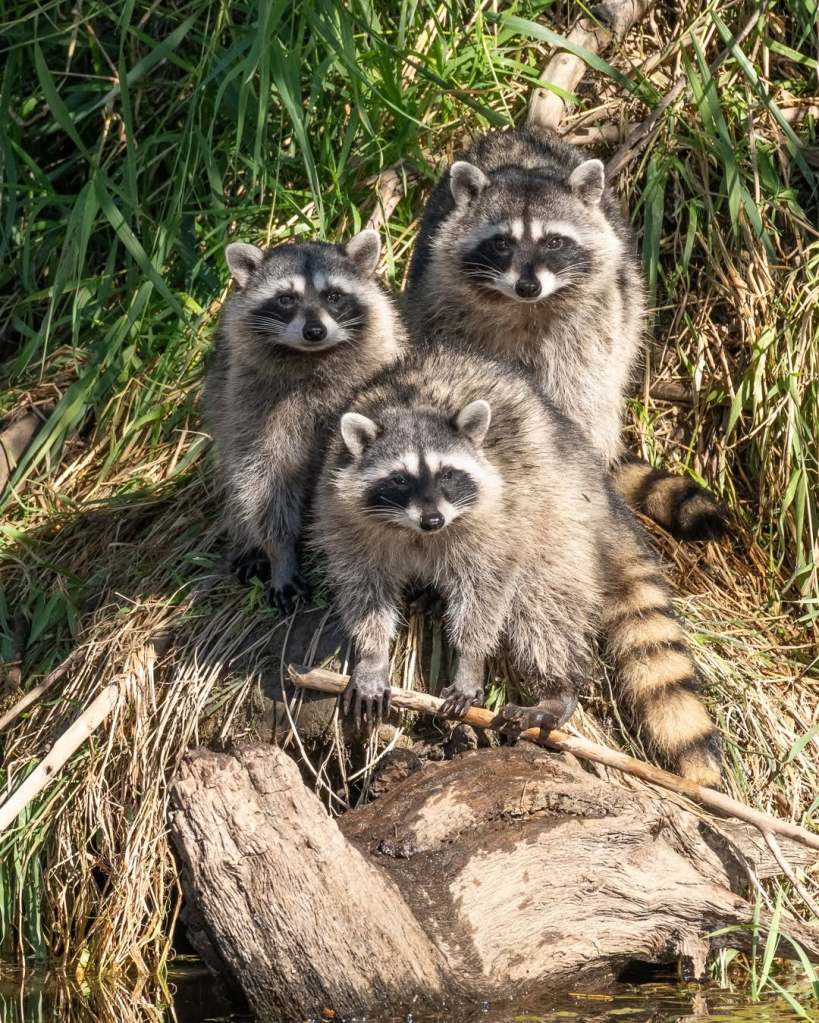
When they aren’t causing problems, raccoons are fun and clever creatures to observe. Primarily nocturnal, they can often be seen foraging during the day.
If you a photo of a raccoon to share, send it to news@infonews.ca.
News from © iNFOnews.ca, . All rights reserved.
This material may not be published, broadcast, rewritten or redistributed.

This site is protected by reCAPTCHA and the Google Privacy Policy and Terms of Service apply.
Want to share your thoughts, add context, or connect with others in your community?
You must be logged in to post a comment.