Elevate your local knowledge
Sign up for the iNFOnews newsletter today!
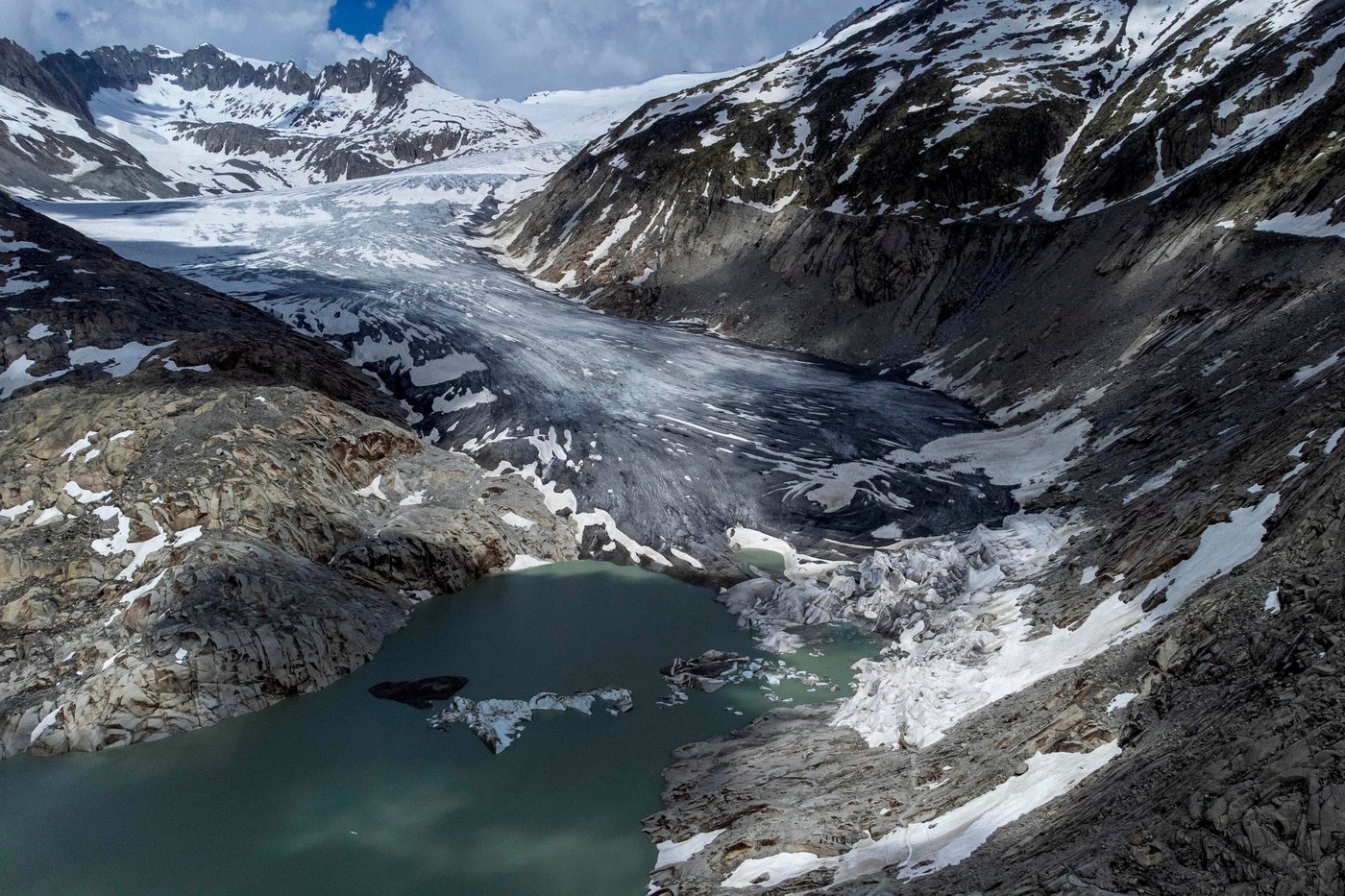
LUCERNE, Switzerland (AP) — A bow once used to fire arrows in an ancient hunt. A crunched tube of mayonnaise and a discarded wine bottle. An alpinist’s cracked helmet. A statuette dating back to Roman times.
The Glacier Garden in Lucerne is showcasing artifacts like these in a new exhibit of relics that have emerged from Switzerland’s vaunted glaciers over the years, with more expected to come as global warming accelerates the thaw.
The exhibit, whose title translates as “Treasury of Ice” from German, comes as Swiss glaciologists recently reported that Switzerland lost 5.5% of its total glacier volume this year, the second-biggest decline on record.
“The glaciers are disappearing very, very fast now and before that completely happens, we want to show to the people that this is a very important and interesting archive of what we will lose, unfortunately,” said Andreas Burri, director of the Glacier Garden, an open-air museum.
The exhibit features an array of relics — a cow skull, boots, a primitive sort of Swiss army knife, ski gear — as well as videos from Swiss glaciers, charts showing the level of thaw over the years, and a mockup of a glacier flow.
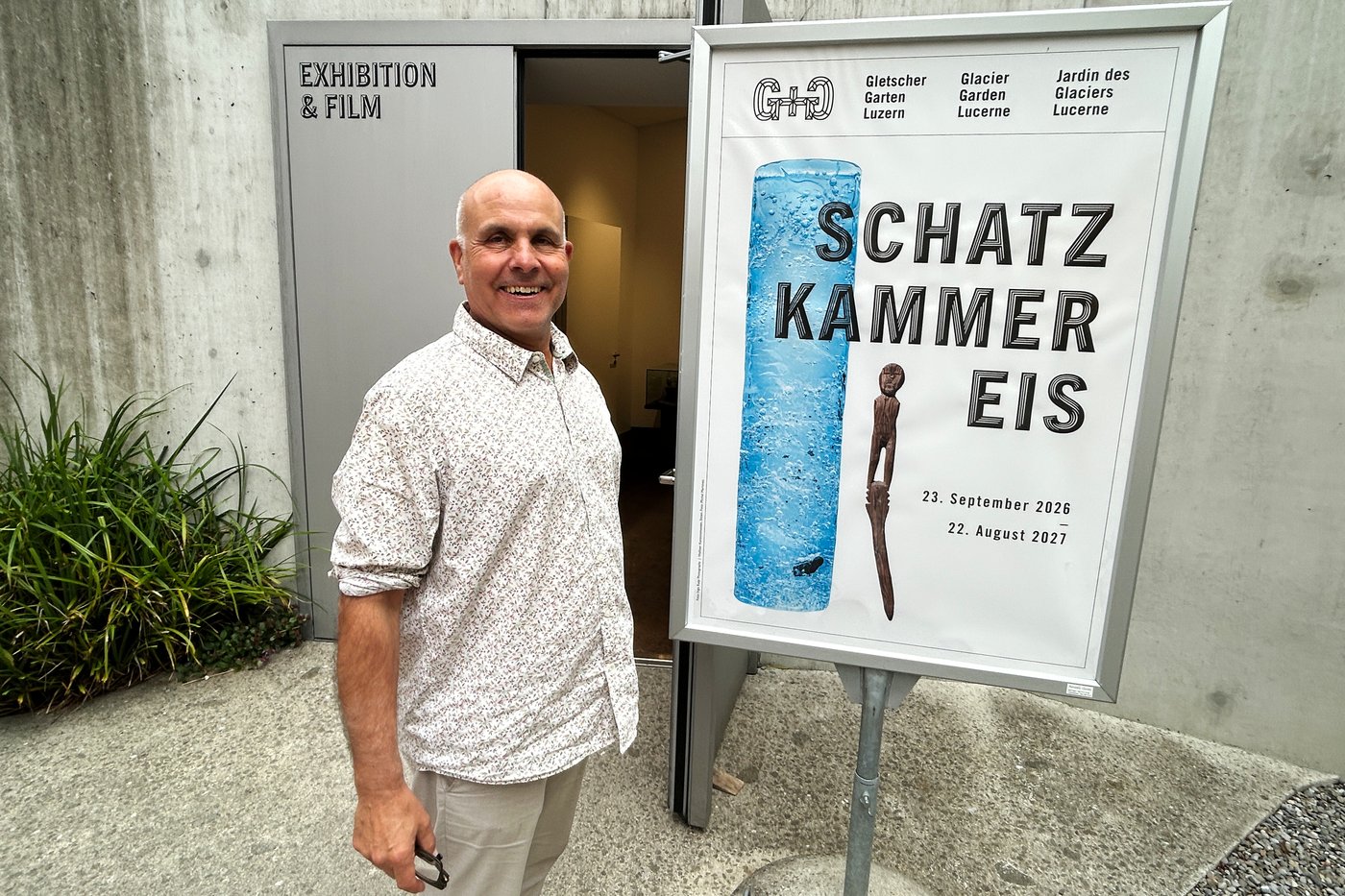
Some, Burri says, was just rubbish.
“It’s trash. People either lost it or threw it away. We don’t really know for sure,” he said. “But it does give an idea of the variety of things that are now being found as the glaciers melt away.”

The remnants from the ice are stacked on top of white boxes that are often used to collect and transport the items from the mountains into the lab, giving the exhibit a warehouse feel.
A cylinder of ice extracted from one glacier drips menacingly, a reminder of the thaw happening in nature, too.
It’s not just hard items on display: Microparticles of pollen, greenhouse gases and radioactive material from nuclear tests in the mid-20th century turn up frozen in the ice — a testament to its role as an archaeological vault.
Traces of soot and charcoal from forest fires during an exceptional period of drought and heat in the mid-16th century, for example, are preserved in the ice, testifying to another bout of high temperatures nearly 500 years ago.
While no human remains are on show, the bodies of ill-fated mountaineers also have emerged over the years.
In August, the bodies of two missing Belgian hikers who had gone missing decades ago turned up near the Trift glacier south of Lucerne. In 2015, remains of two Japanese climbers who had gone missing in 1970 were found near the famed Matterhorn.
The show runs through Aug. 22.
News from © The Associated Press, . All rights reserved.
This material may not be published, broadcast, rewritten or redistributed.

This site is protected by reCAPTCHA and the Google Privacy Policy and Terms of Service apply.
Want to share your thoughts, add context, or connect with others in your community?
You must be logged in to post a comment.