Elevate your local knowledge
Sign up for the iNFOnews newsletter today!
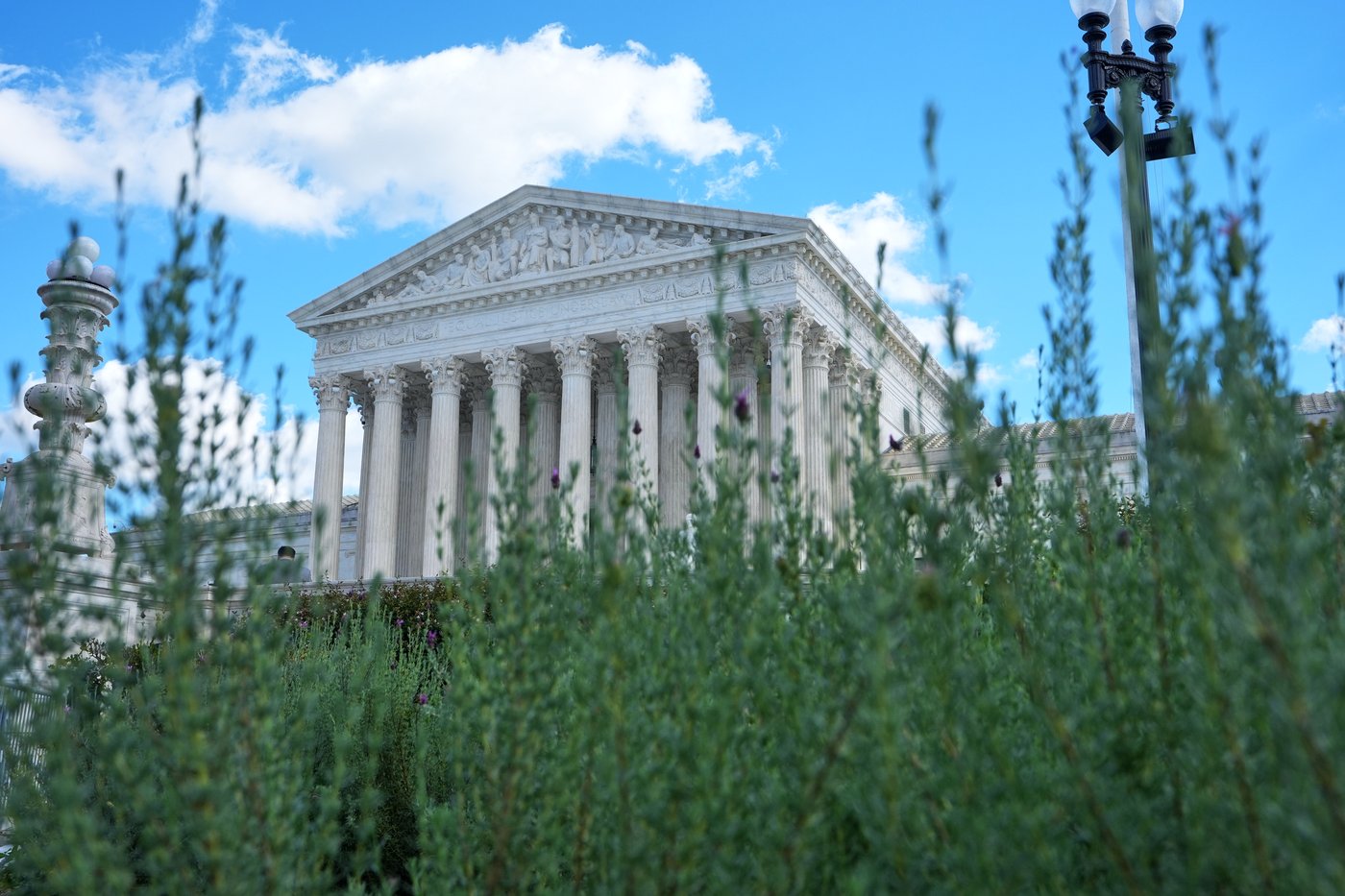
WASHINGTON (AP) — The Supreme Court cleared the way Thursday for New Hampshire to fully ban the use of student IDs for voting during the midterm elections.
The justices granted a Republican-backed emergency appeal and blocked the use of student IDs as a backup method of identification. The Supreme Court cited a longstanding legal principle that judges shouldn’t change voting rules too close to Election Day.
Justice Ketanji Brown Jackson was the only justice to publicly dissent.
New Hampshire passed a law this year that said student IDs would no longer be an expressly accepted form of identification for obtaining a ballot. The secretary of state then issued guidance barring them as a backup way to prove a voter’s identity.
A judge left the law in place but blocked the guidance in early October, prompting the appeal to the Supreme Court. The Republican National Committee weighed in to support the state.
The decision comes less than two weeks before New Hampshire voters cast ballots in a closely contested U.S. Senate race.
New Hampshire state Rep. Donald McFarlane said he sponsored the bill to eliminate student IDs for voting because colleges don’t have the same controls when issuing those cards as government agencies.
“Today’s Supreme Court decision is a victory for common sense,” he said in an email. “It allows HB 323 to work as intended: strengthening voter identity verification, applying a consistent standard, and maintaining public confidence in New Hampshire elections.”
News from © The Associated Press, . All rights reserved.
This material may not be published, broadcast, rewritten or redistributed.

This site is protected by reCAPTCHA and the Google Privacy Policy and Terms of Service apply.
Want to share your thoughts, add context, or connect with others in your community?
You must be logged in to post a comment.