Elevate your local knowledge
Sign up for the iNFOnews newsletter today!
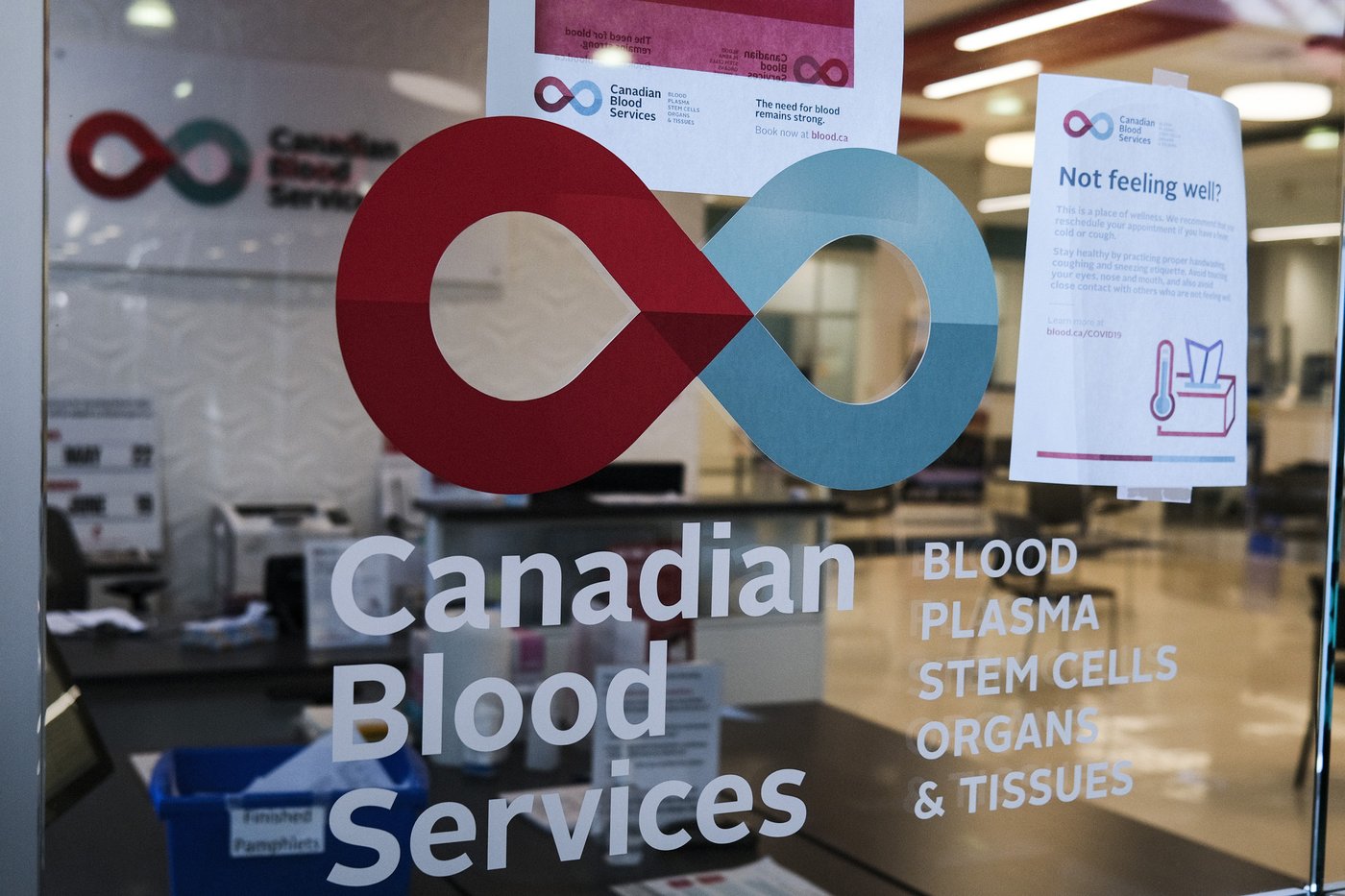
HALIFAX — Canadian Blood Services has confirmed a longtime donor died a day after giving plasma at one of its centres this fall, but the organization says the death was not linked to the donation.
The non-profit organization declined to say where and exactly when the person died, citing privacy concerns for their family, but they confirmed the donor was a volunteer at a centre where he had donated more than 200 times.
The Ottawa-based organization issued a statement Tuesday saying its medical professionals reviewed the person’s donation records, assessed their last donation and spoke with immediate family members. The family told the organization that medical providers had determined the death was the result of natural causes.
As well, Canadian Blood Services said its review of the case was shared with Health Canada, which advised that no followup was required.
Health Canada said it received word of the death on Sept. 25.
All blood collection services in Canada, including Canadian Blood Services and private businesses, are required by law to report to Health Canada any time a donor dies within 72 hours of making a donation.
In this case, “CBS holds responsibility for conducting a thorough investigation,” Health Canada said in an emailed statement Wednesday, adding the department can call for corrective actions or conduct inspections.
“The information provided by CBS demonstrates that they followed their authorized protocols and procedures …. (T)here is no indication or suggestion of any equipment failures, malfunction, misuse or deviation from established procedures during the donation process.”
Plasma donations in Canada have faced intense scrutiny since March, when Health Canada confirmed it was investigating the deaths of two people in Winnipeg who donated plasma at collection centres run by Grifols, a Barcelona-based company that pays donors.
Health Canada has said those deaths occurred in October 2025 and January of this year.
The department’s investigation found no link between the deaths and the collection process, and Grifols said that at no point was the safety of donors and patients compromised.
Kat Lanteigne, former executive director of the now-defunct advocacy group BloodWatch, said all three deaths should be subjected to a scientific review.
“There is a knowledge gap that we have in Canada in understanding the deleterious impact that the plasma (donation) process can have,” Lanteigne said in an interview Wednesday.
“It doesn’t mean that it did (cause the death), but it’s important to rule it out because it informs regulatory policy in order to strengthen plasma donation rules …. The concern that I have as an advocate is not to assign blame, it’s how to improve the system to protect donors.”
BloodWatch was founded by survivors of Canada’s tainted blood scandal, as well as their relatives and advocates. In the 1970s and 1980s, thousands of Canadians were infected with HIV and hepatitis C after receiving contaminated blood or blood products, prompting a public inquiry, criminal charges and an overhaul of the blood system that led to the creation of Canadian Blood Services.
Lanteigne is now a patient advocate for one of the people who died after donating plasma at a Grifols donation centre in Winnipeg.
“We have this big gap within our system that just simply needs to be fixed,” she said. “We need a better understanding so we can make sure that our regulations are strong.”
Ron Vezina, the organization’s vice-president of corporate reputation, issued an emailed statement challenging the suggestion of a knowledge gap, saying Lanteigne’s comments could create unnecessary doubt about a highly regulated system.
“Canadian Blood Services regularly publishes evidence on donor safety and operates within one of the most rigorously regulated blood systems in the world,” Vezina said.
“Our practices are continually informed by scientific evidence, independent oversight, and benchmarking against leading international blood operators. We … have substantial data demonstrating the safety of donation for eligible donors.”
Grifols entered into a partnership Canadian Blood Services last year.
Last month, Health Canada suspended collections at one of the Grifols donation centres in Winnipeg that had been part of Health Canada’s investigation into the two earlier deaths.
Health Canada found compliance problems at Grifols’ Taylor Avenue location, saying the centre had failed to shore up clinic practices as directed.
And on Oct. 21, the company started accepting limited donations after receiving approval from Health Canada.
This report by The Canadian Press was first published Oct. 28, 2026.
News from © The Canadian Press, . All rights reserved.
This material may not be published, broadcast, rewritten or redistributed.

This site is protected by reCAPTCHA and the Google Privacy Policy and Terms of Service apply.
Want to share your thoughts, add context, or connect with others in your community?
You must be logged in to post a comment.