Elevate your local knowledge
Sign up for the iNFOnews newsletter today!
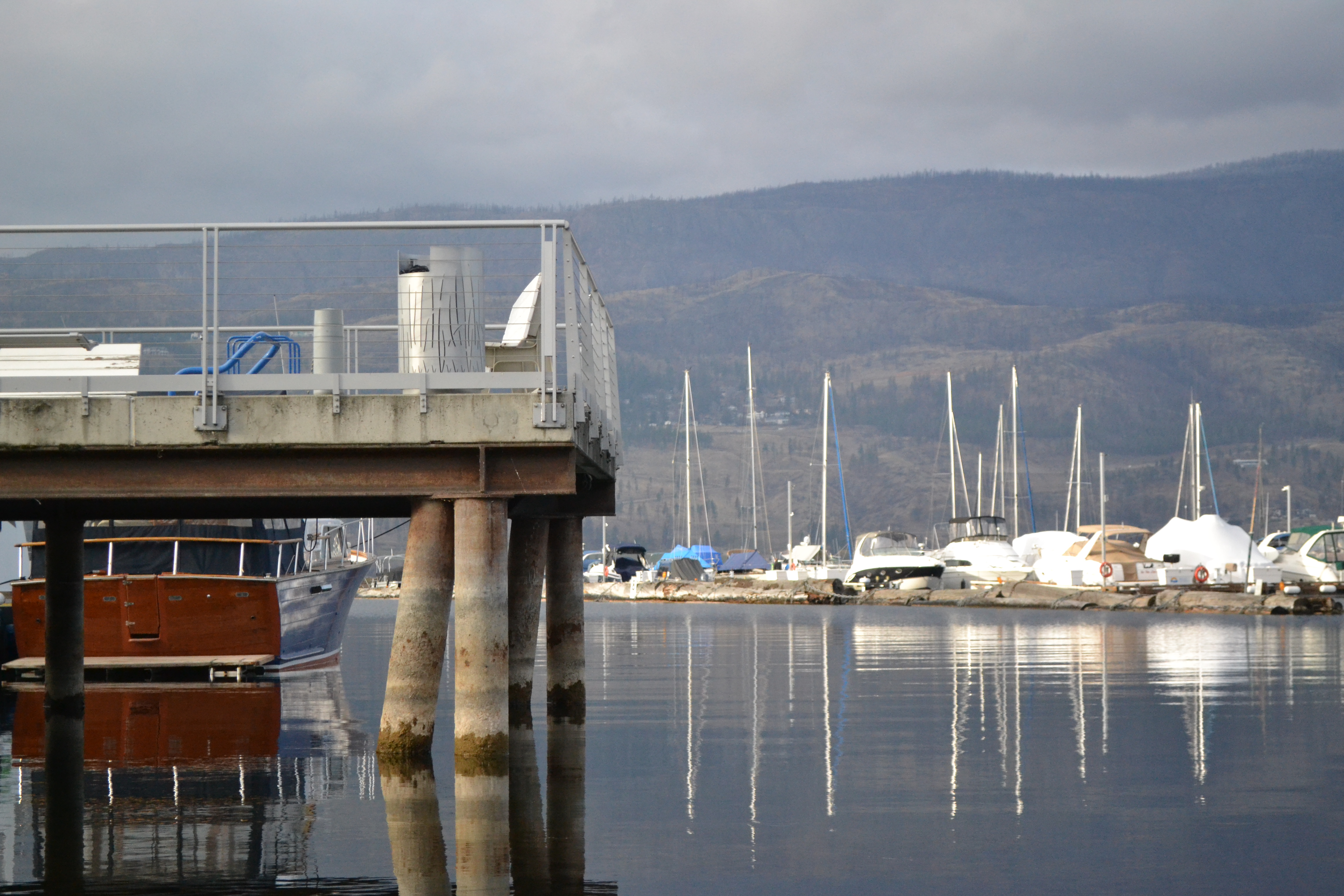
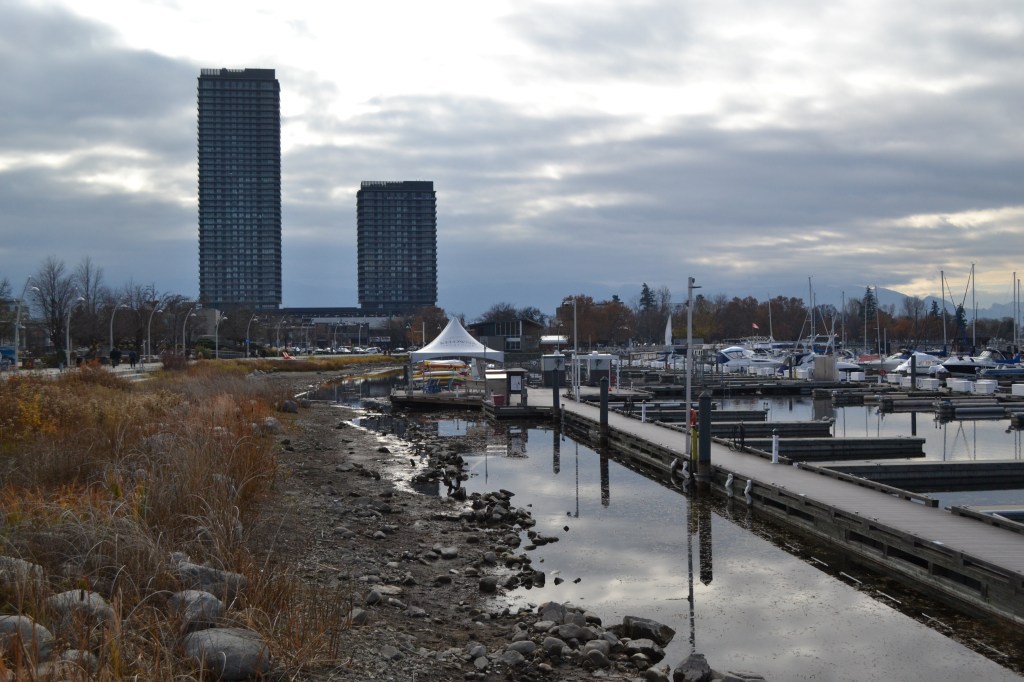
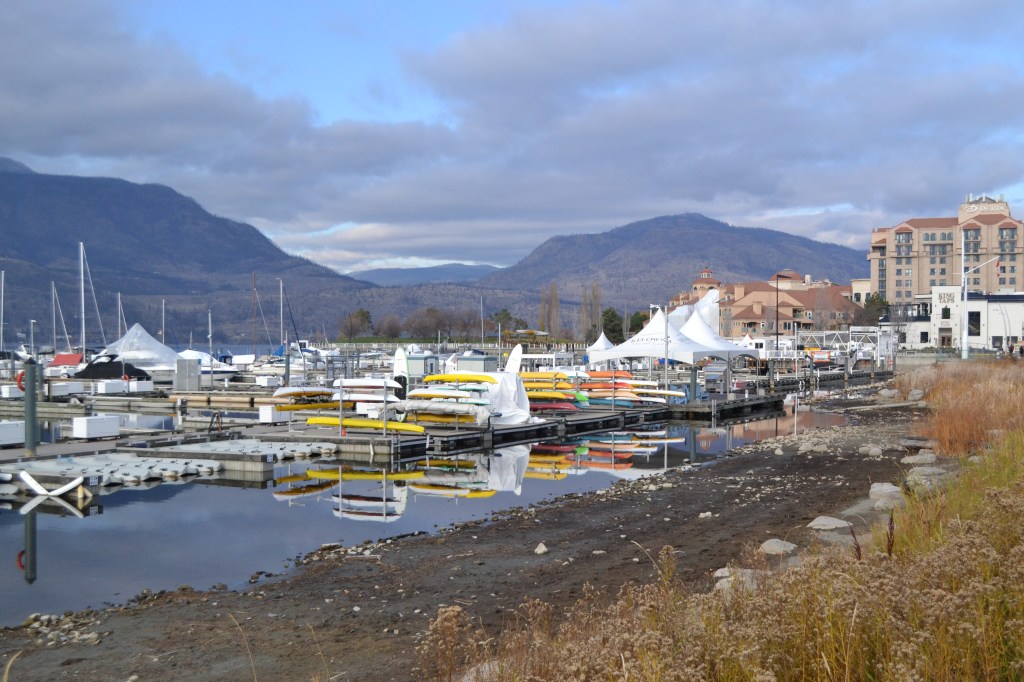
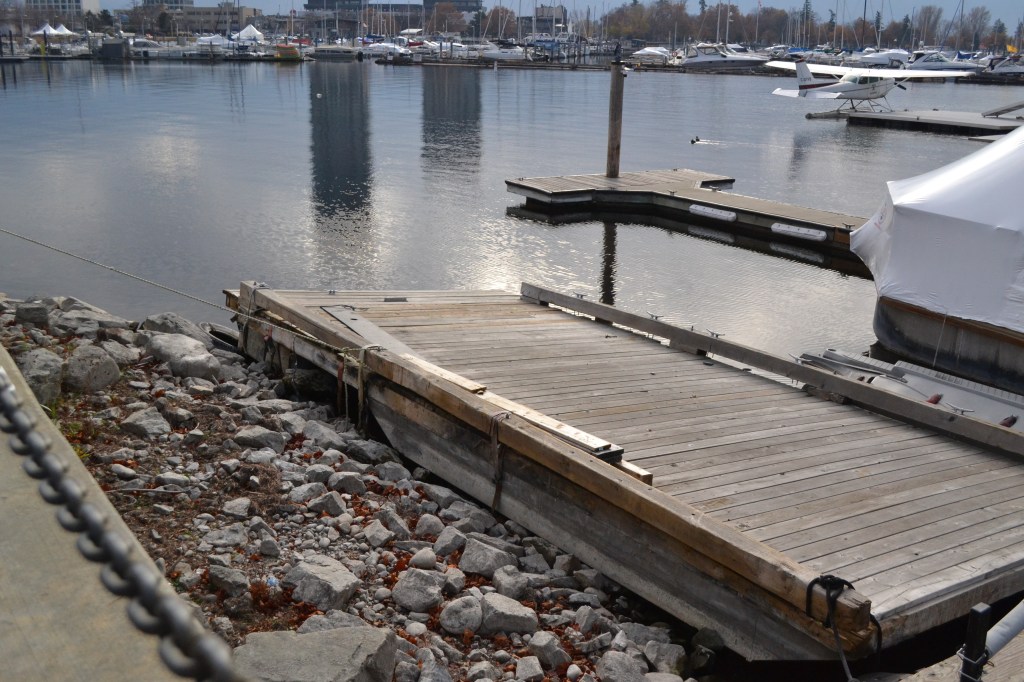
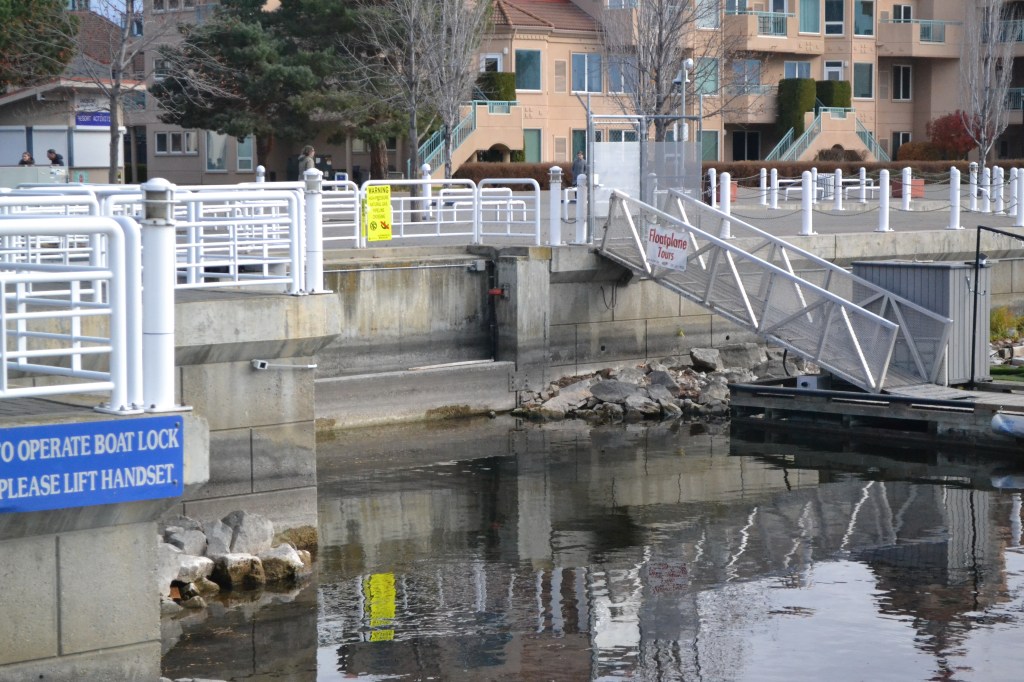
The supports for docks along Kelowna’s downtown waterfront give little hints about how far the lake level has fallen, but the numbers reveal how historic this moment is.
Low lake levels combined with a dry winter forecast could mean ripple of effects heading into next year.
Okanagan Lake is at around 341.3 metres, a historic low for this time of year. Kalamalka Lake and Wood Lake are at 390.74 m and Shuswap Lake is at 344.86 m. The reading for Kalamalka Lake at the Vernon pump house hasn’t been this low at this time in 54 years.
“Kalamalka Lake this year, for the first time in known history, it dead pooled. So Kalamalka Lake stopped spilling water into Upper Vernon Creek,” Okanagan Basin Water Board senior director Dr. Nelson Jatel told iNFOnews.ca.
Jatel said lower water levels would mean difficulty for boats, and higher temperatures could have environmental impacts and make it harder to treat drinking water.
“The one thing that sometimes I feel is underrepresented is that during these times of low flow, it also has a massive effect on temperatures,” he said.
When water temperatures reach around 21 Celsius it can become toxic for fish like sockeye and kokanee. It also could mean that water treatment plants need to add more chlorine to keep drinking water safe.
“Warmer water comes with a need for professionals to be able to consider some of these things moving forward,” he said.

Osoyoos Lake is sitting around where it ought to be for this time of year since the International Osoyoos Lake Board of Control controls the level through the Zosel Dam in the U.S.
The lake is doing well now but earlier this year it faced seriously low water levels which caused the boat launch to shut down in Osoyoos.
“There were a couple of occasions where both Penticton and Kelowna reported that large keeled sailing boats were not able to get in and out of certain areas. So there’s this navigation question on Okanagan Lake,” Jatel said.
One thing that’s being done proactively to reduce water supply issues is the Regional District of North Okanagan has decided to keep water restrictions in place even though outdoor water use has pretty much ended for the year.
The regional district is worried about the outlook for 2027 because of how low Kalamalka Lake is and the likelihood that it’s going to be a dry winter because of the “super El Niño”.
“Forecast El Niño conditions increase drought risk into 2027. Given the potential for another year of limited watershed recharge, maintaining reservoir storage above minimum targets remains important to preserve water supply reliability and system resilience,” the regional district said in its report on water supply for the Nov. 18 meeting.
Lakes all over the valley are lower than they should be and officials are looking for solutions, but Mother Nature will have the final say.
News from © iNFOnews.ca, . All rights reserved.
This material may not be published, broadcast, rewritten or redistributed.

This site is protected by reCAPTCHA and the Google Privacy Policy and Terms of Service apply.
Want to share your thoughts, add context, or connect with others in your community?
You must be logged in to post a comment.