Elevate your local knowledge
Sign up for the iNFOnews newsletter today!
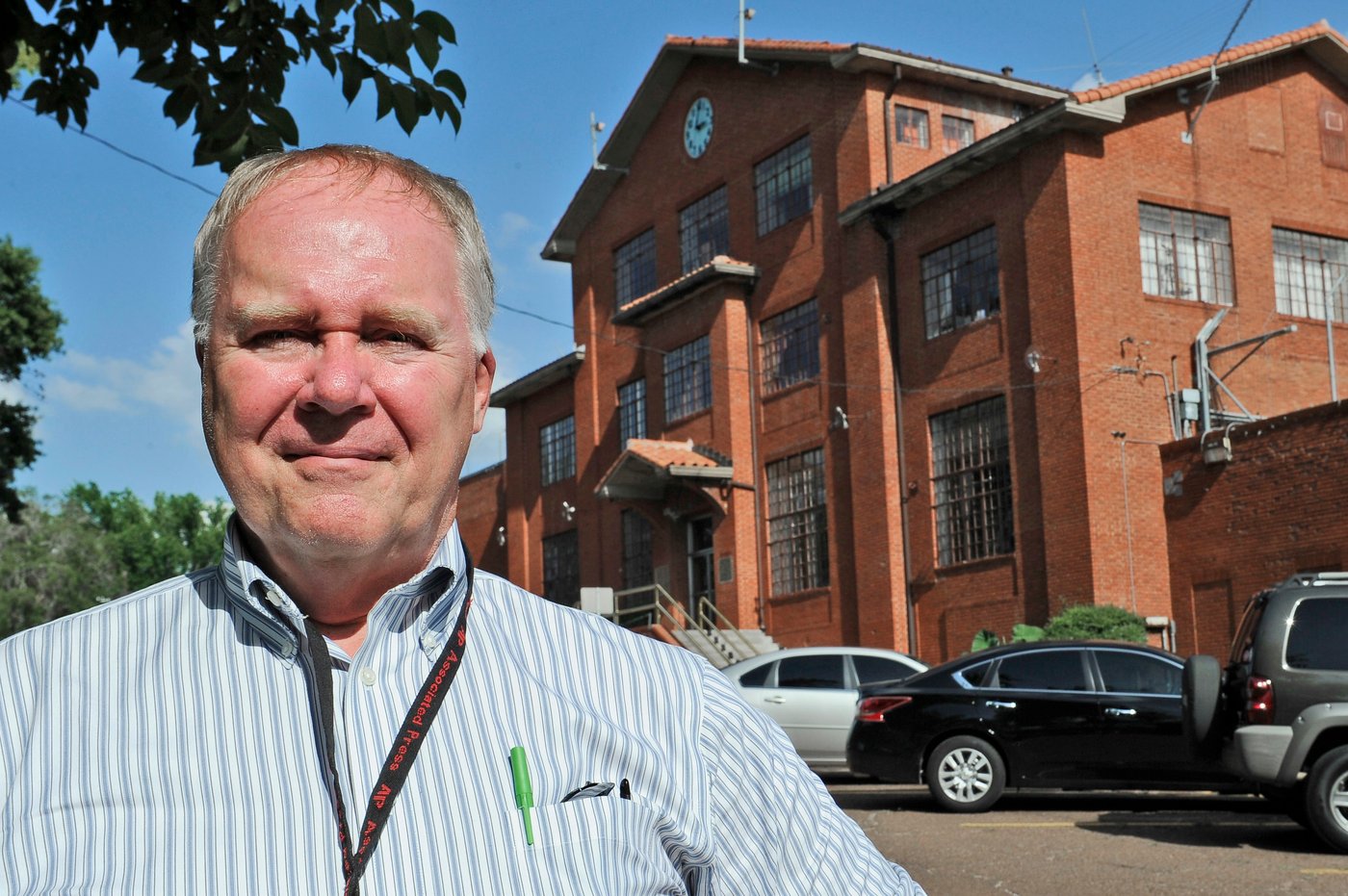
HUNTSVILLE, Texas (AP) — After covering capital punishment for The Associated Press in Texas since 1983 — and witnessing nearly 500 lethal injections — I’ve become accustomed to a certain routine in the procedure, although I’m reticent to describe any execution as “routine.”
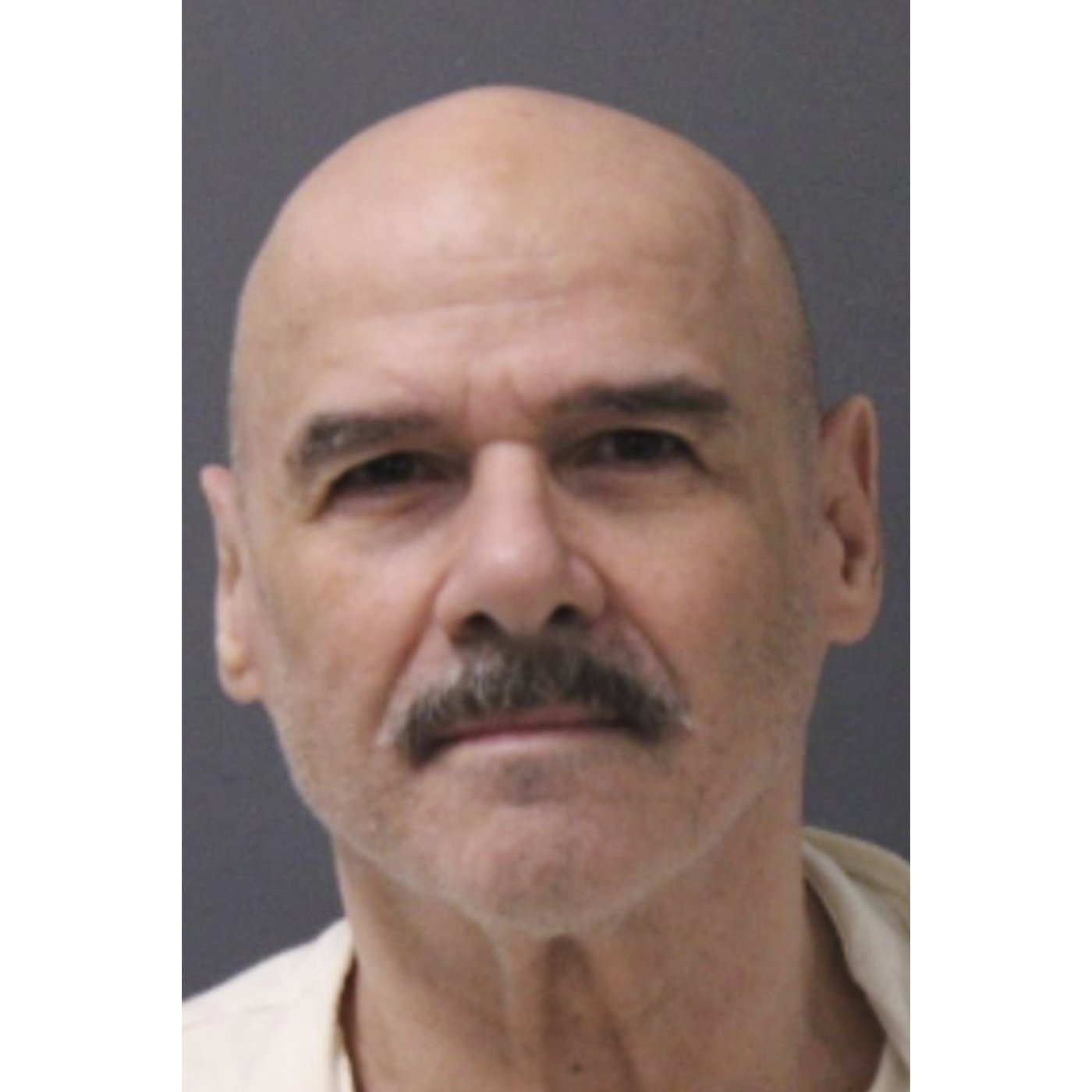
It was 6 p.m. Thursday — a bell from a nearby church tolling the hour — when I and other witnesses climbed the concrete steps into the more than century-old Huntsville Unit of the Texas Department of Criminal Justice. We were led into a reception office for what normally is a very brief period to await the short trek to the death chamber to watch condemned killer Reinaldo Dennes die.
A large state of Texas clock on a wall ticked off the moments. By about 6:20 p.m., we still hadn’t moved.
I knew one of two situations was likely: Dennes was resisting the execution team’s attempts to insert a pair of intravenous needles into his arms, or the execution team was having difficulty finding a suitable vein for the needles.
Thirty minutes later, as we were led into the chamber by corrections officers, Dennes appeared docile. His eyes were closed and his head was pointed toward the ceiling. His white prison garb was not disheveled and no additional restraints were applied to his head, meaning no evidence of a struggle.
Now I’ve seen over the years any number of final statements and reactions from condemned inmates who spoke in foreign languages, prayed, recited poetry, sang, cursed, expressed love, insisted on their innocence or acknowledged their crime and one who even told a joke.
Dennes was like no other.
Asked by the warden if he had a final statement, Dennes talked about being “extremely blessed” by the love of “the father” and hoped his family and loved ones “get to know this great gift and great grace of God the father.”
He told the warden: “Go.” Almost immediately as the procedure began, his demeanor changed.
“The pain!” he exclaimed. “Go! Go!”
For nearly three minutes — and standing there furiously scribbling notes, I thought it seemed much longer — Dennes repeatedly moaned.

“Take me father! … Take me into your arms! … Take me father!” He occasionally interjected his cries with obscenities, a grunt and then groans. His right leg was “killing me,” he said, likening the sensation to a cramp.
“I don’t think this is normal,” he said at one point.
On that, he was right. I’ve heard inmates say the lethal drug was hot or cold, that they could smell or taste it, or that it hurt. No one I can recall went to such drama as Dennes.
At 7:08 p.m., after being examined by a physician, he was pronounced dead.
Texas prison officials said the execution team had difficulty finding suitable veins. Spokeswoman Amanda Hernandez said after repeated unsuccessful attempts — she couldn’t say how many — the technicians found a vein in Dennes’ left foot and another on the left side of his neck that were receptive to the IV needles.
I couldn’t see. His feet were covered by a sheet and only the right side of his neck was visible to those of us who were witnesses.
The injection sites were in line with the prison system’s procedures, Hernandez added. The alternate sites have been used in previous executions, although the need to do so is relatively rare.
Hernandez also suggested Dennes may have been faking, saying he had been complaining about pain from areas where no injections were attempted.
As a reporter, I’d like to find out the truth about the matter. But there’s no way to know for sure.
Dennes himself, as reporters are known to say, wasn’t available for further comment.
News from © The Associated Press, . All rights reserved.
This material may not be published, broadcast, rewritten or redistributed.

This site is protected by reCAPTCHA and the Google Privacy Policy and Terms of Service apply.
Want to share your thoughts, add context, or connect with others in your community?
You must be logged in to post a comment.