

Quebec company banned from selling unauthorized peptides: Health Canada

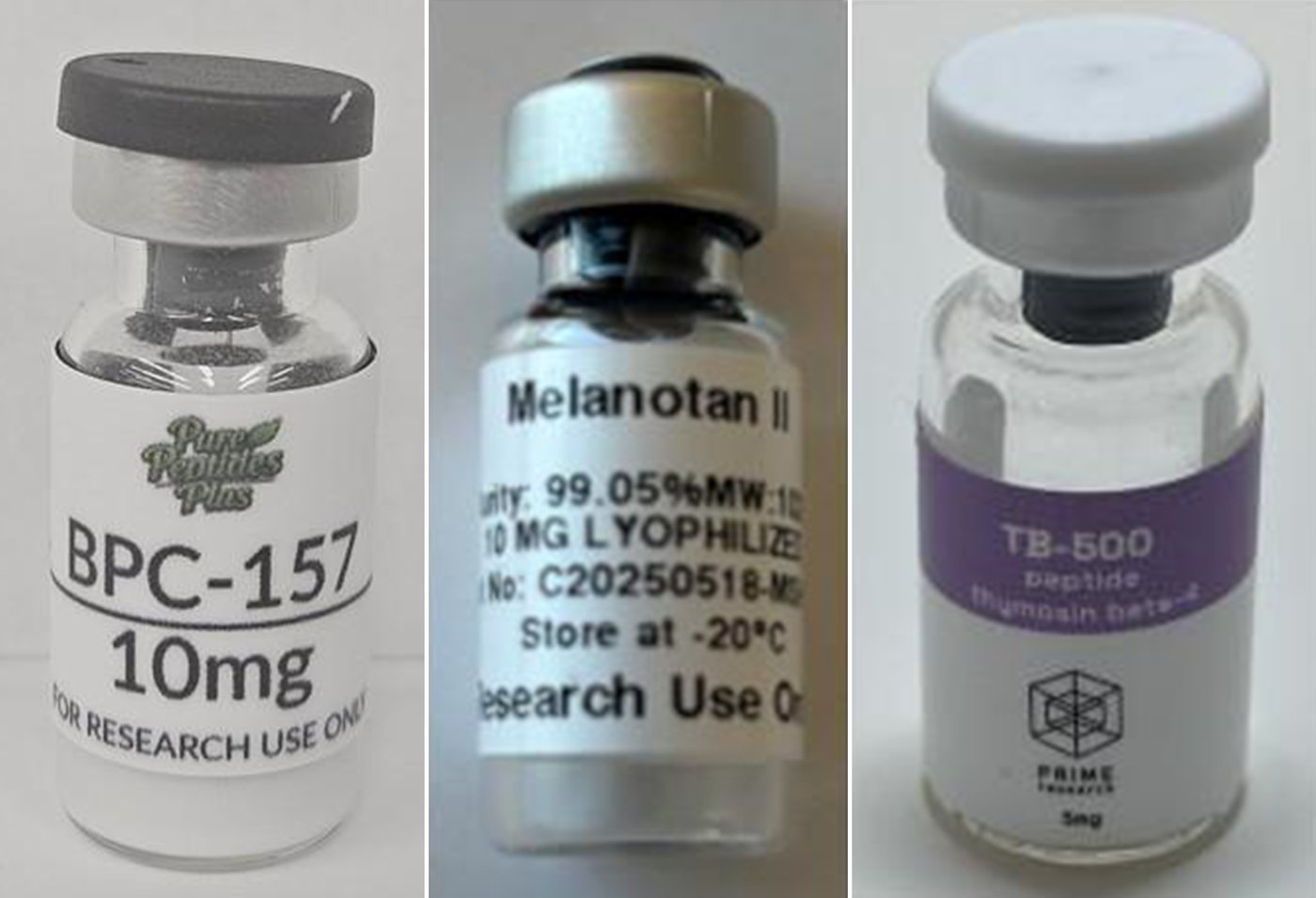
Health Canada says a court has approved the agency’s request to permanently ban a Quebec-based online store from selling unauthorized injectable peptides in the country.
The federal agency says in a statement that the Superior Court of Québec has granted a permanent injunction against Canlab Research, the latest in its effort to crack down on the wellness trend.
For years, Health Canada has been warning consumers not to buy unauthorized injectable peptides from the company, saying it promoted unproven health claims on various websites. A temporary injunction was issued in 2024.
The permanent injunction granted in June states that Canlab cannot “manufacture, test, distribute or sell unauthorized injectable peptides, nor can it assist others in doing the same.”
It also cannot advertise or help others advertise these products on any social media platform or website accessible to Canadians.
Canlab’s website redirects to a legal notice dated April 2025 that states the company is complying with court directives, and “remains committed to transparency, regulatory compliance, and the continued trust of our global customer base.”
Peptides are short chains of amino acids that perform essential functions in the human body.
They have become trendy in recent years, promoted as a health hack with wellness promises of anti-aging, weight loss, injury recovery and better sleep.
Health Canada notes there are authorized injectable peptides regulated as prescription drugs in Canada that are safe and effective, such as insulin and GLP-1s.
But the agency released a public advisory on unauthorized injectable peptides in April warning that these products can be dangerous and cause “hormonal imbalance, mood swings, blood sugar imbalance, liver or kidney damage, blood clots, and growth of cancerous tumours.”
The advisory encourages Canadians to only buy prescription drugs from licensed pharmacies and to check for a drug’s eight-digit drug identification number to ensure it’s legal.
This report by The Canadian Press was first published July 29, 2026.
Canadian Press health coverage receives support through a partnership with the Canadian Medical Association. CP is solely responsible for this content.
Join the Conversation!
Want to share your thoughts, add context, or connect with others in your community?
You must be logged in to post a comment.