

Cancer society applauds certification of class-action against e-cigarette maker Juul

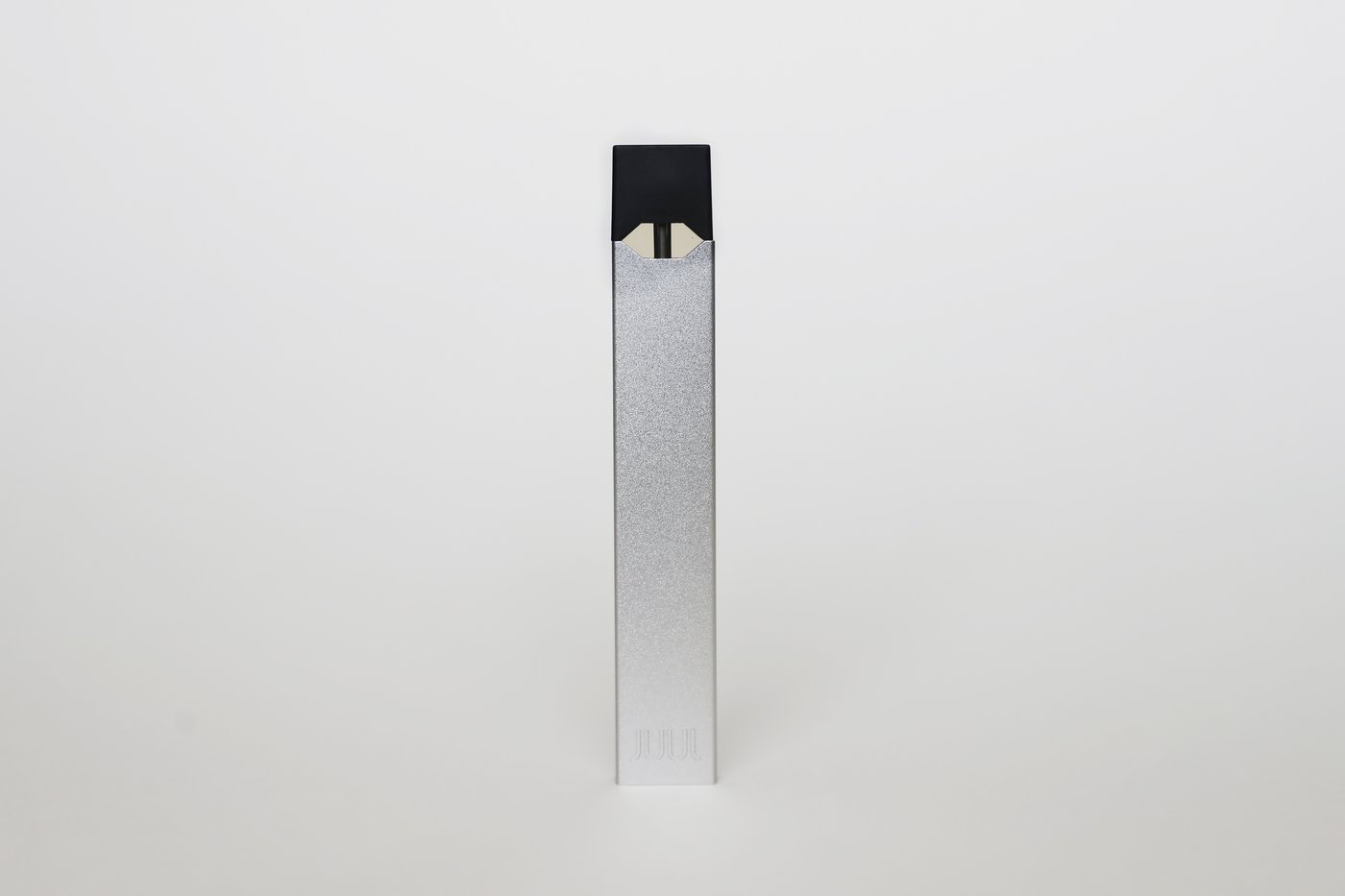
VANCOUVER — The Canadian Cancer Society says Canada’s federal and provincial governments need to strengthen regulations of vaping products to stem more youth addiction to nicotine, as e-cigarette marketing practices are poised to be put on trial in a national class-action lawsuit.
The B.C. Supreme Court this week certified a national class-action against Juul Labs Canada, Ltd., Juul Labs Inc. and Altria Group Inc., clearing a legal hurdle for the case originally filed in 2019.
The cancer society says the lawsuit being certfieid against the makers of Juul e-cigarettes is an important step in holding companies accountable for alleged misleading marketing of vaping products.
The lawsuit alleges Juul products were falsely marketed as a safe alternative to smoking cigarettes in conjunction with an alleged conspiracy to addict young people to nicotine.
The court had delayed its certification decision last year to allow for the lawsuit to be amended after the defendants “vehemently opposed” allowing the class-action to go ahead, a ruling released last year says.
None of the claims have been proven in court and lawyers for the companies did not immediately respond to requests for comment.
Rob Cunningham, a lawyer and policy analyst with the Canadian Cancer Society, said the case has been delayed as part of a “strategy” used by the tobacco industry going back decades.
Cunningham said e-cigarettes with nicotine became legal in Canada in May 2018, and Juul launched shortly after.
He said several American state governments have settled lawsuits with the makers of Juul products, with similar issues raised by the class-action.
He said the case carries significance beyond B.C. because it’s the first national class-action lawsuit ever certified against a tobacco or vaping company.
Cunningham said other class-actions against tobacco companies have been certified in Quebec, and another in B.C. over the marketing of “light and “mild” cigarettes, and other claims over associated health conditions.
He said the certification decision means the lawsuit can now be tested on its merits.
“This is a procedural step but crucial because had class certification been denied, then you would have to proceed as individual cases, which is not particularly affordable given how deep pockets the defendants have,” he said.
The B.C. government has also filed a lawsuit against the makers of Juul e-cigarettes over health care costs allegedly associated with vaping products, and Cunningham said other tobacco companies could face legal actions over their vaping products as well.
He said Canada has a “tremendous problem” with youth vaping rates and called the certification decision an “important defeat for Juul and Altria and it makes a trial much closer.”
He said there needs to be a “comprehensive strategy” to reduce vaping rates, including taxation, marketing and sales restrictions, restricting vape flavours and setting the minimum legal age to 21.
“We need to do a lot more in terms of public policy to reduce vaping, but the marketing strategies of Juul and other companies has contributed to this increase in youth vaping,” he said. “There needs to be accountability.”
This report by The Canadian Press was first published July 17, 2026
Join the Conversation!
Want to share your thoughts, add context, or connect with others in your community?
You must be logged in to post a comment.