
Vernon’s move to reject 3,500-home development on par with other Interior cities

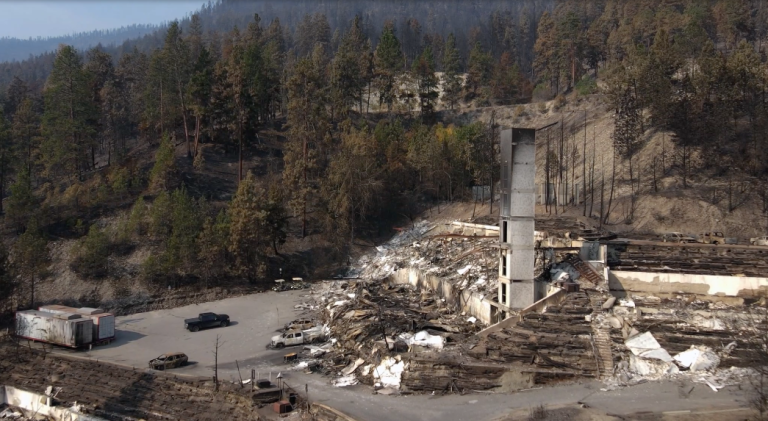
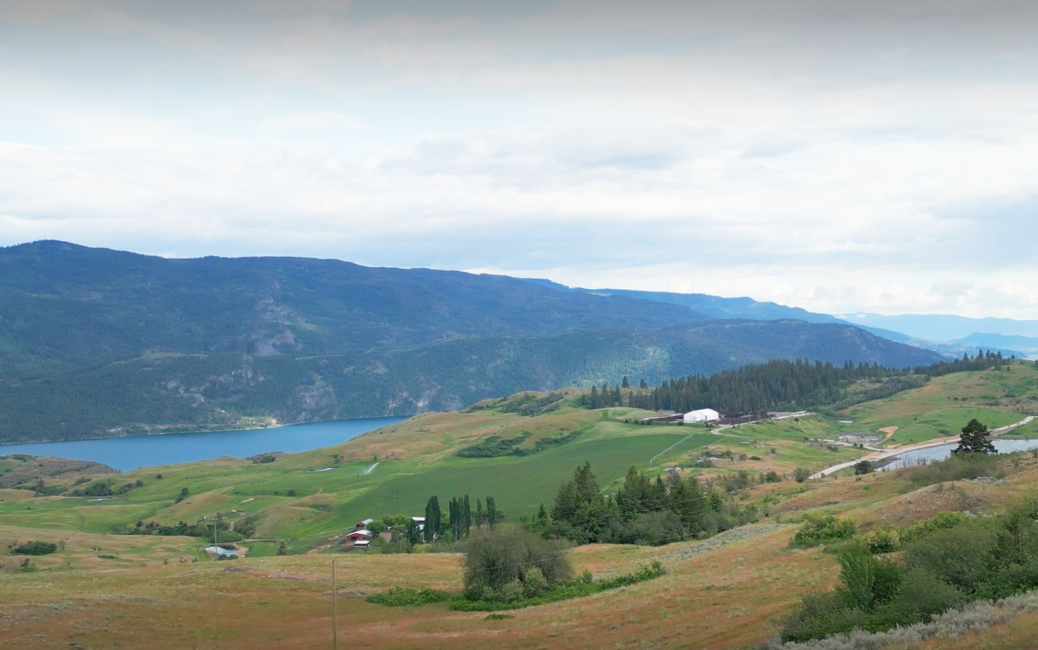
Vernon council’s decision to kibosh a 3,500-home development seven kilometres from the downtown follows suit with other cities in the region, which have rejected out-of-town developments largely due to the long-term costs involved.
In the last few years, Kelowna, Kamloops and Penticton have all rejected proposals from developers that would have seen much-needed housing built far from downtown.
Five years ago, Kelowna council voted against the Thomson Flats development, which had originally planned to build 1,200 homes in the Upper Mission, more than 10 km from downtown. The project was deemed an economic drain on the city in the long run.
Earlier this year, Kamloops council rejected a mixed-use development roughly 8 km from the city’s core, that would have included 1,350 homes. The developer recently brought the rezoning application back to the table with a pared-down version, dropping the number of homes to 900.
In Penticton, a plan to build 300 homes on the Naramata Bench came to an end early this year after years of back and forth. Penticton walked back its designation that the area, roughly 8 km from downtown, was suited to density.
In Vernon, Kerkhoff Develop-Build had wanted to create hundreds of “attainable” homes, stressing that Vernon was losing families due to the high cost of housing.
However, the proposed 580 Commonage development was killed before it even went to a public hearing with Vernon Mayor Victor Cumming casting the deciding vote to axe the project.
A lifecycle cost analysis found that while the 580 Commonage development would generate roughly $7.1 million in annual property tax that was insufficient.
“Indirect operating costs for services such as policing, fire protection, administration, recreation, and transit are estimated at approximately $8.1 million annually,” the 580 Commonage Lifecycle Analysis Report reads.
In total, the report found the project had a $5.45 million funding gap.
The money to cover the costs of maintenance and replacement has to come from all taxpayers, which would be equivalent to a 7.7% increase in property tax.
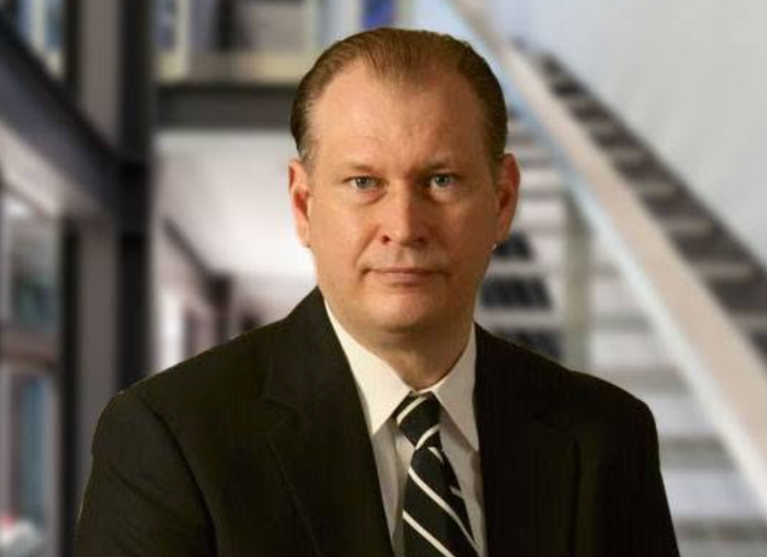
Simon Fraser University associate professor of Urban Studies Andy Yan said that how developments connect or don’t connect to the rest of the community and where people work is a core question in planning.
“It’s a very real kind of concern,” Yan said. “Yet at the same time there is a need for housing.”
Yan said while development focuses on the extra units and deeper affordability, questions of transportation and economic development are key.
The urban planning expert said having a stand-alone development increases the cost of servicing.
“The basic principle of where we are now has set a different standard for development,” Yan said. “It’s across the province… everybody loves growth, but nobody talks about maintenance.”
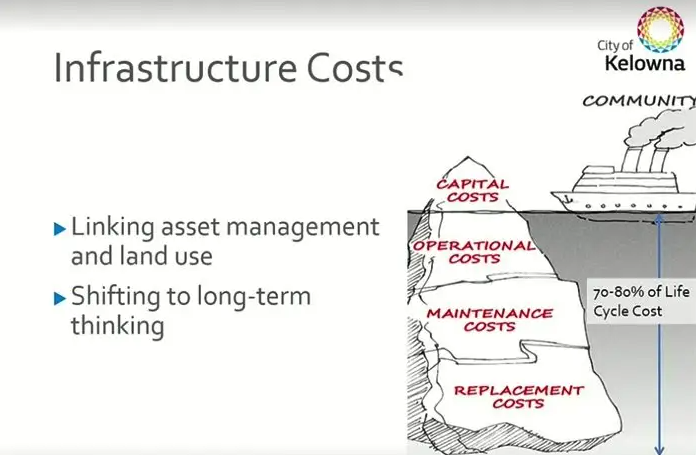
In 2021, when the City of Kelowna axed the Thomson Flats development, staff had said the distance the development was from the city meant the revenue it got from the housing was less than the long-term costs of maintaining the infrastructure, ultimately, becoming a drain on the city in the long run.
The Kelowna city planner had described it as an “iceberg” where the money developers pay up front to extend roads, and pay for water and power infrastructure was small fry, compared to the long-term costs of operating and maintaining it sitting under the water.
News from © iNFOnews.ca, . All rights reserved.
This material may not be published, broadcast, rewritten or redistributed.

Join the Conversation!
Want to share your thoughts, add context, or connect with others in your community?
You must be logged in to post a comment.