

Why a Kamloops woman keeps 25,000 worms in her home

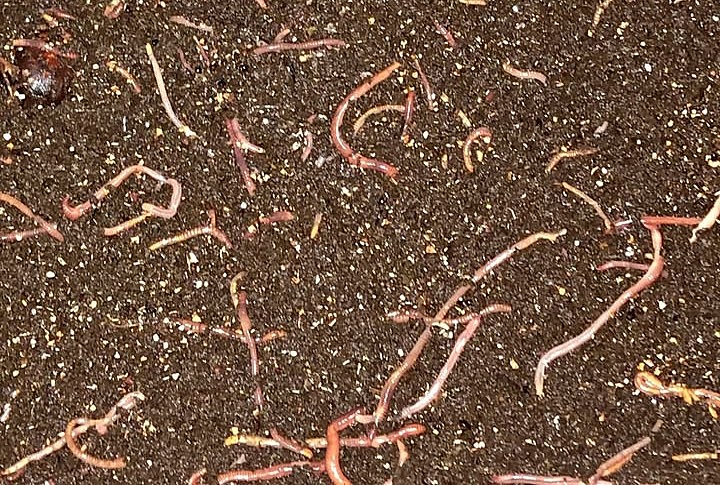
Kamloops gardener Janet Briscoe has been producing nutrient rich soil for 15 years with the help of roughly 25,000 red wiggler worms living in specially designed structures in her furnace room.
Red wigglers are widely known in the gardening world as the best worm species for composting as they can eat and expel their body weight daily and they reproduce quickly.
“The worms eat all my fruit and veggie scraps and turn it into beautiful soil for my garden,” Briscoe said. “It’s something simple to do to reduce waste and get soil out of it.”
Called “vermiculture,” breeding worms for composting isn’t knew and there are several different models of worm composters on the market, including specially designed bins and do-it-yourself outdoor structures, but not everyone has worm towers in their house.
Briscoe has such a big worm supply she divides them and sells them to farmers, typically in the spring.
“Other gardeners look to me for worms but I only sell a pound here and there, it’s not exactly a big operation,” she said. “The city’s waste recycling program put a damper on sales since people can just chuck their trimmings in a bin and forget about it.”
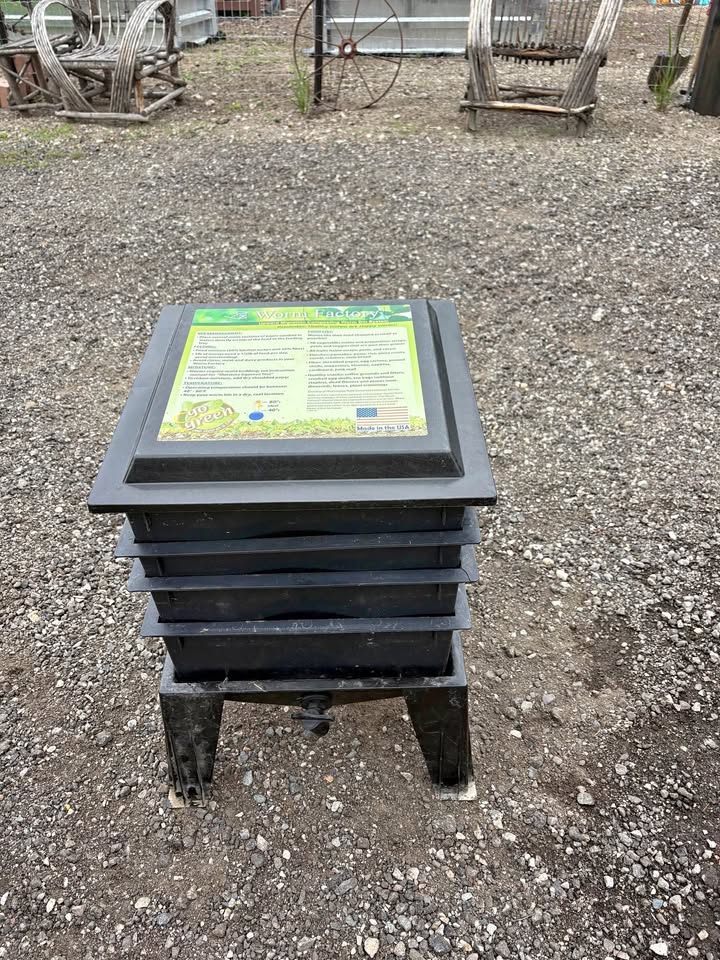
Briscoe began what she calls her “worm factory” years ago after having difficulty managing her outdoor composter. She had also discovered locally produced composting soils had weed seeds and bits of garbage.
“A bear kept coming to drag my composter away and sort through it,” she said. “I quickly discovered I was more successful composting inside where animals can’t get at it, and I also ended up with good quality dirt.”
She set up five Worm Factory 360 Towers she purchased on Amazon, which have stackable trays where the worms begin to eat waste in the lowest tray and migrate up to the next tray leaving soil behind.
“You start at the bottom and keep adding food,” she said. “They turn into soil while moving up looking for more food and you end up with soil to put on the garden. As long as you don’t give them dairy, meat or greasy food, they don’t have an odour.”
Each 18” x 18” x 15” tower houses 4,000 to 5,000 worms that consume 3 to 6 lb. of food per week.
Red wigglers can reproduce every three weeks, meaning worm growers can have more than they can handle within two years.
It wasn’t long before they were reproducing so well, Briscoe decided to sell them, charging $30 for a half pound of worms and $50 for a full pound.
“Some people use them for fishing so I give them the bigger, more mature ones,” she said. “They’re really good for winter fishing. They’ll wiggle under the icy water for at least 30 minutes.”
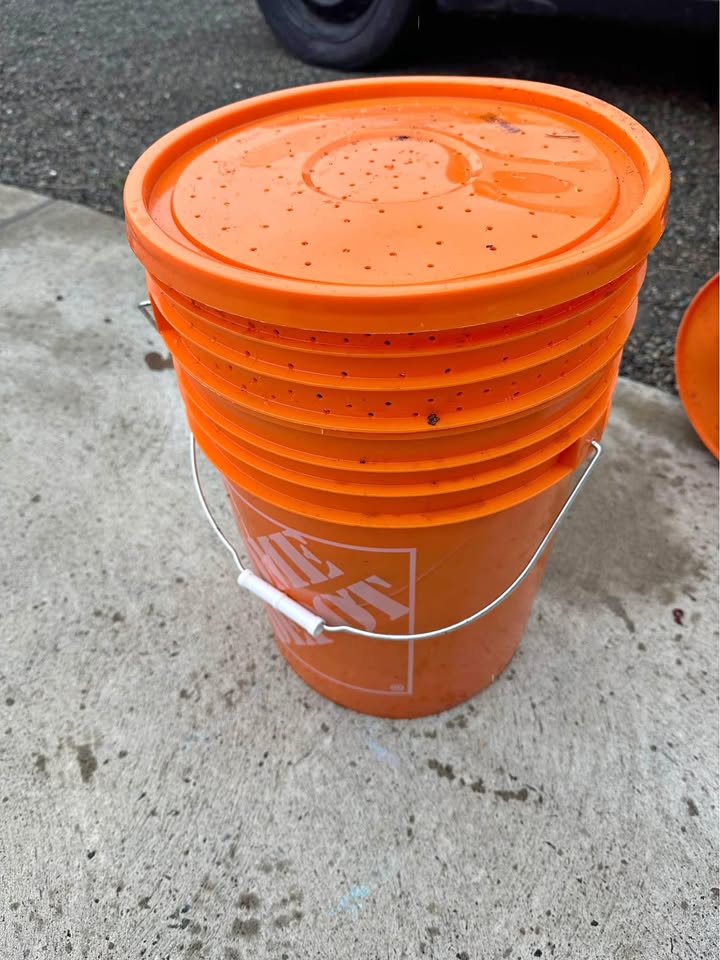
There are a few other worm sellers on Facebook marketplace. A seller in Kamloops offers a half of a five-gallon bucket of established composting worms with their established ecosystems for $65, while a seller in Armstrong is selling jars of red wigglers in established soils as starter kits, for $15.
There are certain temperature, moisture and pH levels to maintain when growing worms, and a few specifics on feeding and bedding materials the worms rely on.
Go here to learn how to grow your own worms.
Go here to see Briscoe’s advertisement for her red wiggler worms.
News from © iNFOnews.ca, . All rights reserved.
This material may not be published, broadcast, rewritten or redistributed.

Join the Conversation!
Want to share your thoughts, add context, or connect with others in your community?
You must be logged in to post a comment.