

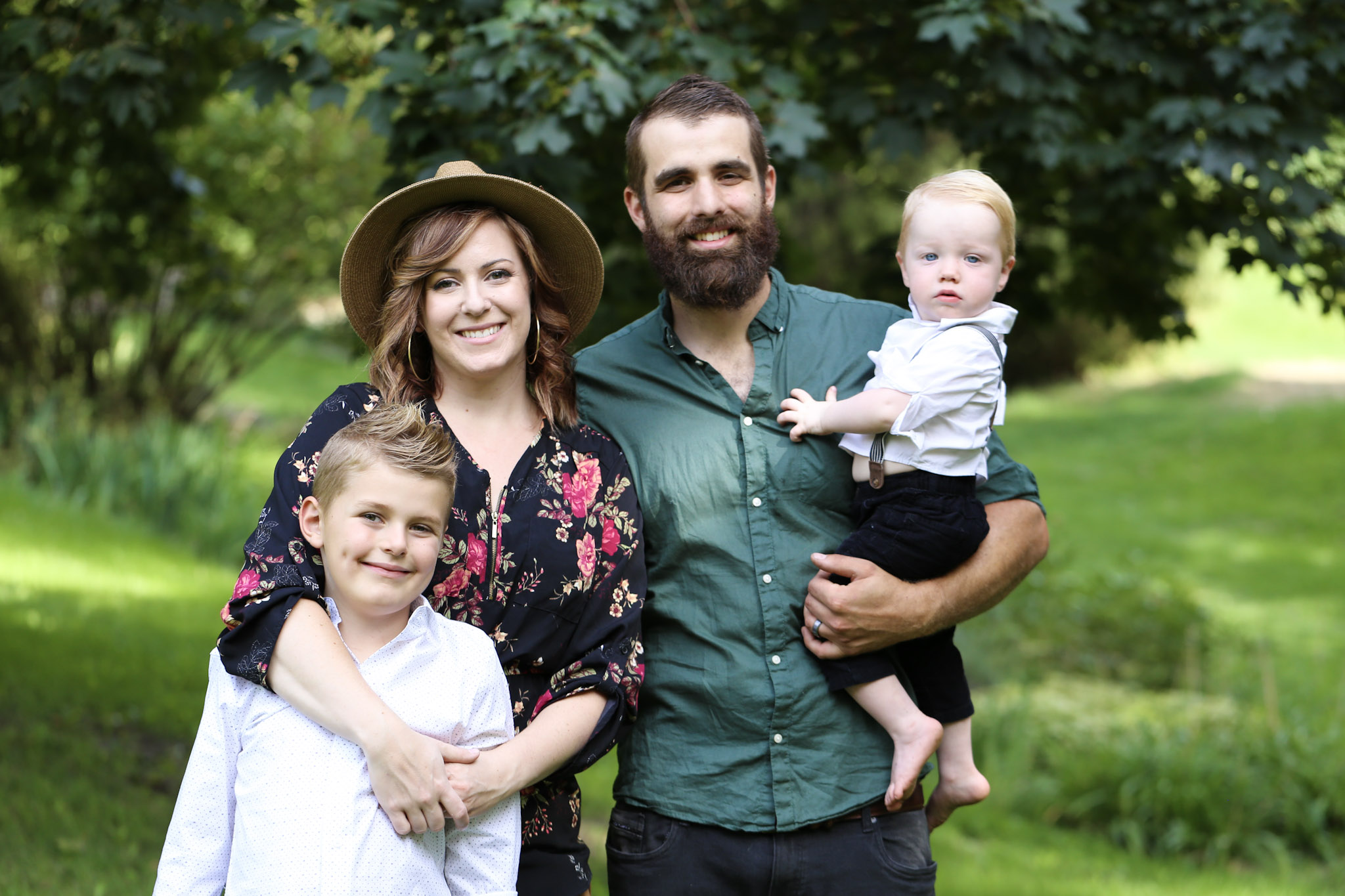
‘Screwed over’: Okanagan family fighting with ICBC’s no-fault model five years after crash

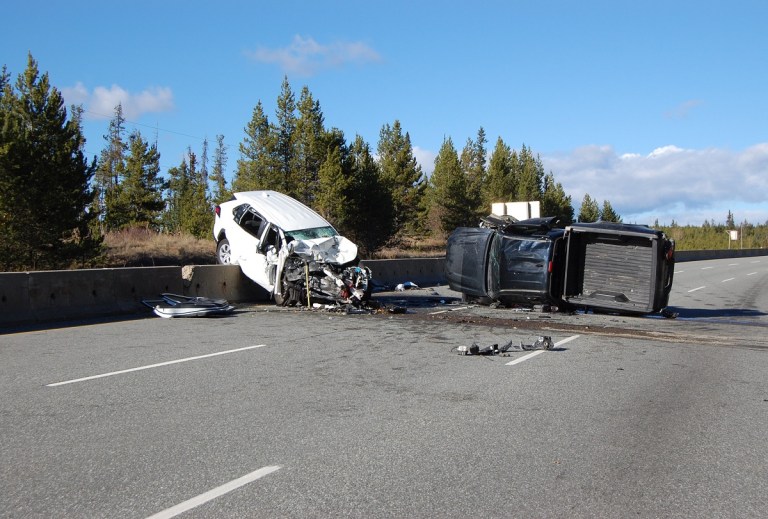
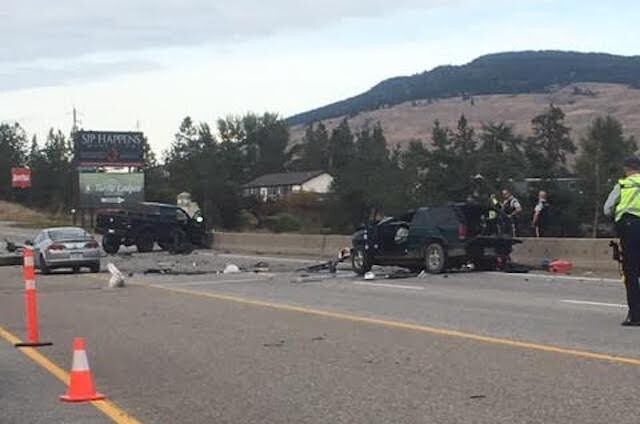
Jaydon Thiessen was driving home to Vernon from Kelowna when he was hit head-on by a drunk driver in Lake Country and nearly five years later his family is hoping for a change in the auto insurance system in BC.
Thiessen’s crash happened on Sept. 20, 2021, just months after ICBC changed to the no-fault insurance model. Now, with a provincial review of no-fault insurance underway, his family wants people to pay attention so others don’t have to go through what they have been through.
“You’re going to get screwed over by it,” Thiessen’s wife Sarah Thiessen told iNFOnews.ca.
“We’re not unique. We have a friend who has also experienced the same thing with a much more devastating accident. And I know we’re just two of hundreds or thousands of people who deserve some kind of basic coverage.”
The provincial government’s Special Committee to Review Provisions of the Insurance (Vehicle) Act is having its first meeting this week, but it won’t present its findings to the government until February 2027.
The committee said it hasn’t decided the parameters for the review, which could include reviewing cases like Thiessen’s.
Kody Lafleur, 41, pleaded guilty to drunk driving in the crash that killed Natasha Renee Boyd, 29, and injured Thiessen five years ago. Lafleur received a prison sentence of 18 months.
Thiessen suffered a back injury that has left him with chronic pain, and has made it hard for him to work as a self-employed electrician.
The previous insurance model was a legal-based system where compensation was usually paid out in a one-time settlement after a legal battle. Legal processes could take years and 33 per cent of settlement payouts could go to lawyers.
Under the no-fault insurance model residents aren’t able to sue the driver who’s at fault, but ICBC is supposed to provide care and recovery benefits based on the severity of the injury.
For Jaydon, ICBC funded 74 physiotherapy sessions, 40 kinesiology sessions, 31 chiropractic sessions, 22 massage therapy sessions and 26 counselling sessions since the accident, and it hasn’t approved any more. The Thiessens have had to pay roughly $150,000 for out-of-pocket treatments, along with Jaydon’s lost income.
“He is the only income earner for our family. Like, I’m home with our kids. So it was some tough years there,” Sarah said.
She said they would prefer not to go after someone in court, but if it was a way for the family to get the compensation they need, then they would have taken that option. Under the no-fault system that isn’t an option.
According to the law firm Hutchison Oss-Cech Marlatt, ICBC will determine what kind of medical treatments to cover for the first 12 weeks following a crash, then after 12 weeks people need to prove why they need more treatment to recover.
Darren Kautz is a litigation partner for FH and P Lawyers in Kelowna and said the no-fault system is flawed since people are stuck with it and stuck dealing with ICBC.
“Unfortunately in British Columbia there is no way to opt out,” Kautz iNFOnews.ca. “It’s definitely worse because there’s no checks and balances anymore on ICBC.”
Kautz said he hopes the provincial review will allow people to go to court again to cover things like lost wages since the no-fault system is focused on medical care.
“I think they have to bring back some level of tort so that people can access the courts and have some independence for evaluations of serious cases,” he said. “I use the example of someone who’s broken their hip and is a truck driver. There’s a likelihood that they might never be able to go back to their chosen vocation again.”
He said even though the system is supposed to help people get medical treatment without going through a legal battle, he hears a lot of stories like Jaydon’s where people aren’t able to get treatment for long-term issues.
“It becomes very difficult,” he said. “Everything is heavily scrutinized… It was a care first system, but not many people are getting the extended care that they need.”
Sarah said it has been a battle to get ICBC to pay for treatments. ICBC would take months to reply and it continues to deny more and more coverage to the point where Jaydon doesn’t have any more assistance.
She said she isn’t going to stop fighting.
“I refuse to close his file or to let it be closed,” she said. “I had sent multiple emails to them last year asking for coverage for appointments and didn’t hear anything back for about six months until I finally escalated it to calling management recently.”
She said they would have been better off going through the previous system and getting more money through the courts.
Only time will tell what the outcome of the provincial committee will be, but Sarah hopes for some significant changes.
“I just think the new system protects the people at fault, and it is not at all compensating people who actually need it to help,” she said. “I’m not asking for a cash out or to profit off this situation. We’re just asking for the care that we need to recover from being a victim of a crime.”
News from © iNFOnews.ca, . All rights reserved.
This material may not be published, broadcast, rewritten or redistributed.

Join the Conversation!
Want to share your thoughts, add context, or connect with others in your community?
You must be logged in to post a comment.