Elevate your local knowledge
Sign up for the iNFOnews newsletter today!
Elevate your local knowledge
Sign up for the iNFOnews newsletter today!
Select Region
Selecting your primary region ensures you get the stories that matter to you first.
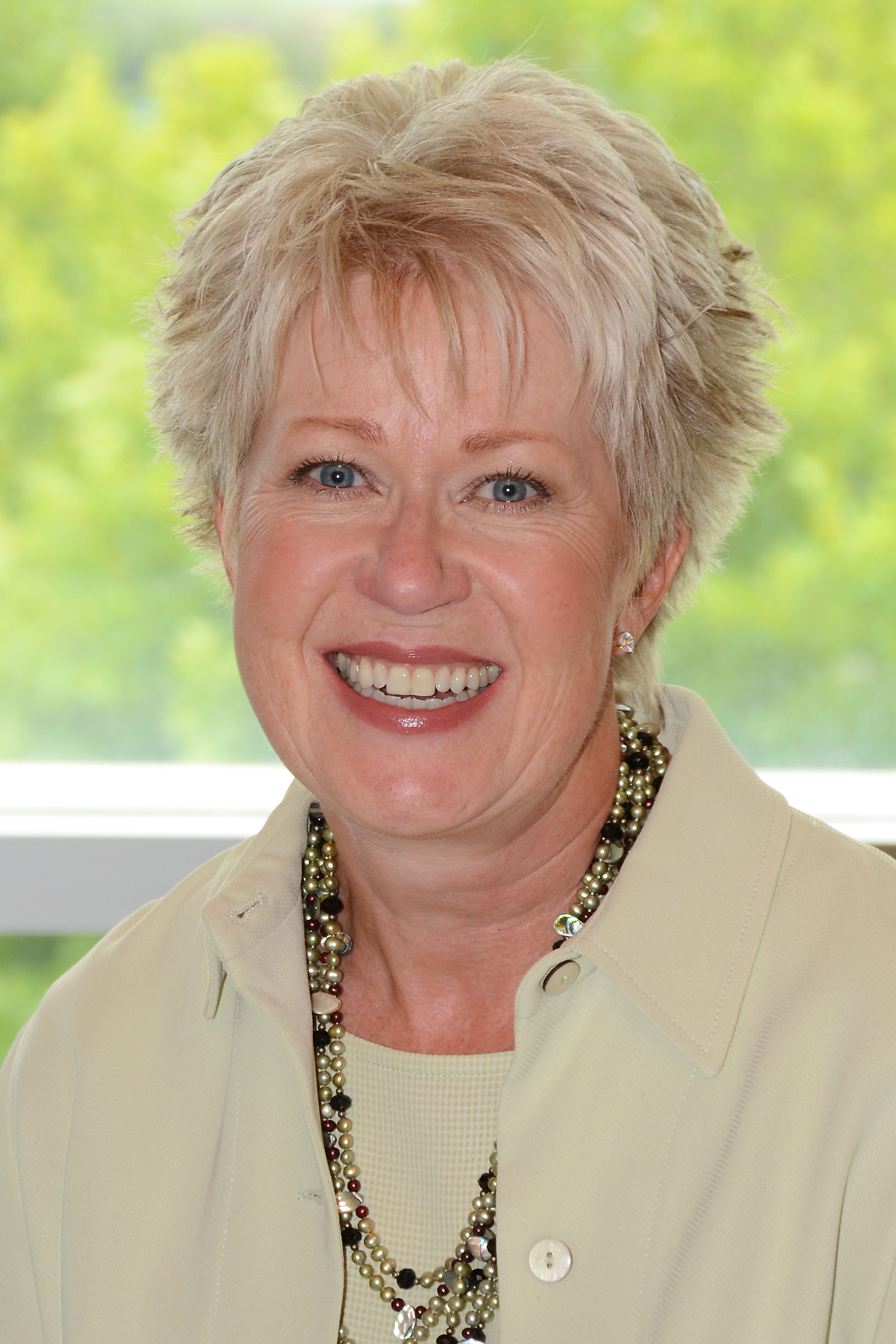
A UBC researcher is pointing towards the need for oncologists to have advance care planning and end-of-life discussions with cancer patients sooner rather than later.
“Traditionally it was thought that having advance care planning discussions—related to things such as do not resuscitate orders or opting out of chemotherapy in the final weeks of life— before the final stages of cancer, was disempowering, but this research tells us that is not the case,” says Prof. Carole Robinson, who teaches at the School of Nursing at UBC Okanagan. “What we have learned from the participants in this study is that having the conversations earlier, rather than at a time of crisis, are empowering for both doctors and patients.”
Robinson’s study, conducted in partnership with the BC Cancer Agency, involved nine oncologists throughout British Columbia who were asked to have ‘goals of care’ discussions with their patients and document the results.
The oncologists were asked to talk with both new patients as well as those with whom they had established relationships, and to start the conversations before patients were in their last stages of life, which is typically when advance care planning discussions are conducted.
Oncologists participating in the study emphasized that good goals of care conversations need to happen at a meaningful time for the patient and in a meaningful way. For physicians this means having established relationships with their patients, beginning conversations as soon as advanced cancer is diagnosed, and ensuring that ongoing conversations are documented.
The study determined two major barriers to having good goals of care conversations include a lack of dedicated time for physicians to have and document the discussions, and the possibility that patients may view these discussions, a key component of advance care planning, as an indirect ‘bad news’ message that they are dying.
“This information has been used to inform a supportive program of resources and tools to enable oncologists to have these conversations earlier,” says Robinson. “If the conversations don’t happen, people may not have their wishes respected, and if they don’t happen well, it can create relationship problems.”
Robinson’s work was recently published in the Journal of Cancer Education. The research was funded by the BC Cancer Foundation.
News from © iNFOnews.ca, . All rights reserved.
This material may not be published, broadcast, rewritten or redistributed.

This site is protected by reCAPTCHA and the Google Privacy Policy and Terms of Service apply.
Want to share your thoughts, add context, or connect with others in your community?
You must be logged in to post a comment.