Elevate your local knowledge
Sign up for the iNFOnews newsletter today!
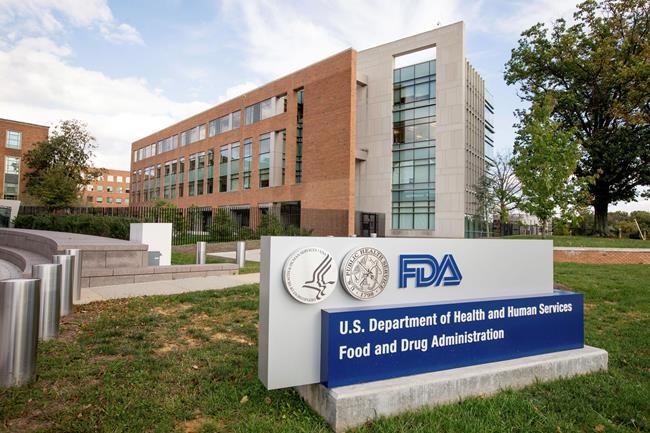
TRENTON, N.J. – The U.S. Food and Drug Administration has rejected an experimental drug for a common type of muscular dystrophy.
The FDA’s decision Wednesday was expected because the agency had said the drug didn’t work in two key patient tests. Last month, FDA advisers voted 10-1 against recommending approval.
The drug from PTC Therapeutics was intended for Duchenne muscular dystrophy patients with a certain genetic mutation. The muscle-destroying disorder affects 1 in 3,500 to 5,000 boys in the U.S.
The South Plainfield, New Jersey company said it will appeal. Stuart W. Peltz, PTC’s chief executive, wrote in an email that the company believes the FDA didn’t consider evidence that it helped some patients or the pleas from many doctors and patients wanting the drug approved.
The FDA had twice refused to review the company’s applications, citing inadequate evidence to approve the drug. The company used a rare manoeuvr to force a review.
Last year, the FDA approved the first drug for Duchenne’s, for a different group of patients, despite inconclusive evidence it worked. But the agency required drugmaker Sarepta Therapeutics to do more studies on its effectiveness.
___
Follow Linda A. Johnson at https://twitter.com/LindaJ_onPharma
News from © iNFOnews.ca, . All rights reserved.
This material may not be published, broadcast, rewritten or redistributed.

This site is protected by reCAPTCHA and the Google Privacy Policy and Terms of Service apply.
Want to share your thoughts, add context, or connect with others in your community?
You must be logged in to post a comment.