Elevate your local knowledge
Sign up for the iNFOnews newsletter today!
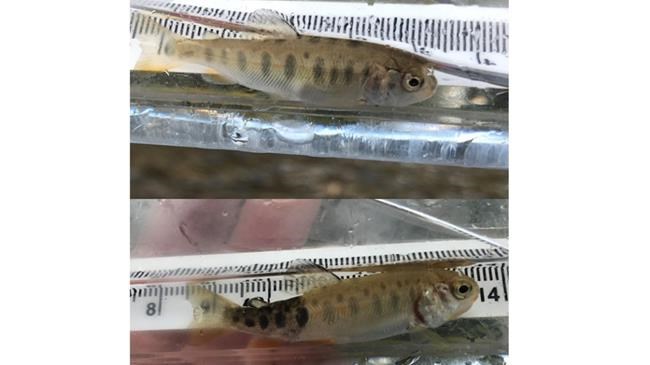
VANCOUVER – Parks Canada officials have shut down waterbodies in British Columbia’s Yoho and Kootenay national parks after the discovery of whirling disease. Here are some facts about the disease:
— Species susceptible to the disease include cutthroat, rainbow, bull, brown and brook trout, coho, sockeye, chinook and Atlantic salmon and the mountain whitefish.
— The disease is especially deadly for young finfish, with the overall death rate of fry and fingerlings reaching up to 90 per cent.
— Affected fish may whirl in their swimming patterns, they have skeletal deformities and their tail may appear dark.
— It was first found in Alberta waterbodies,and Parks Canada officials say the mostly likely cause of the spread to B.C. was through humans.
— It is caused by a microscopic parasite spread through contact with a fish and a freshwater worm.
— People can spread whirling disease by moving infected live or dead fish, infected worms, contaminated equipment or water.
— It does not pose a risk to human health.
— There is no treatment for whirling disease.
Source: Government of Canada.
This report by The Canadian Press was first published Oct. 27, 2023.
News from © iNFOnews.ca, . All rights reserved.
This material may not be published, broadcast, rewritten or redistributed.

This site is protected by reCAPTCHA and the Google Privacy Policy and Terms of Service apply.
Want to share your thoughts, add context, or connect with others in your community?
You must be logged in to post a comment.