Elevate your local knowledge
Sign up for the iNFOnews newsletter today!
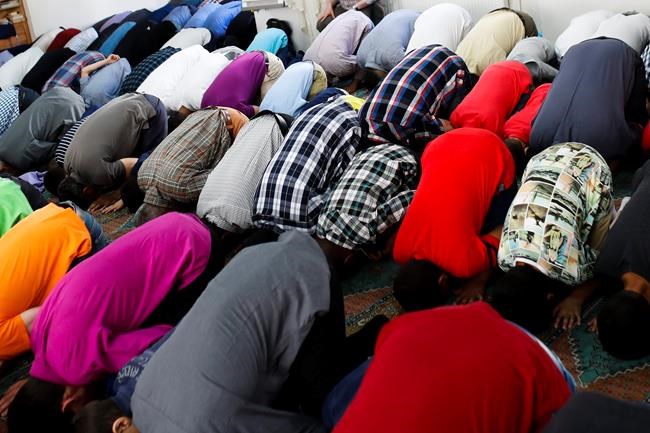
BERLIN – It’s the first time that Syrian refugee Moustafa Shikh Habib is celebrating the end of the fasting month of Ramadan in Germany and he has bittersweet feelings about it.
The 36-year-old Kurd lives with his wife and four children in two little cramped rooms at a huge asylum centre in Berlin and says it is difficult to be away from other family members on the special day of Eid al-Fitr.
“But at least we’re fine here — Allah be praised,” he adds.
More than one million asylum seekers came to Germany last year alone, the majority of them from Muslim countries like Syria, Iraq and Afghanistan. Celebrating the end of Ramadan in migrant shelters across the country can be quite challenging, since they can’t prepare their own festive food and don’t have enough money to buy fancy new clothes — like they traditionally do back home.
At the asylum centre in Berlin, Shikh Habib’s wife Susan Sheikha gave the children a few candies, chocolate bars and iced tea. They shared their first daytime lunch in over four weeks with hundreds of others in the centre’s cafeteria: a humble bowl of chickpea stew with tomatoes and onion, a piece of pita bread and an orange.
German Foreign Minister Frank-Walter Steinmeier wished Muslims around the world a blessed feast, especially pointing out that more and more Muslims were also celebrating in Germany.
“Violence and war are forcing many people on an escape and an insecure journey which often means risking their lives,” Steinmeier said. “We’re especially thinking of these people during these days.”
But despite the uncertain future facing the new arrivals in Germany, most prefer their current situation over their old lives back home.
“We’re happy here. I’m not even thinking of going back to Syria,” says Shikh Habib, who used to work as a taxi driver.
Shikh Habib and his family fled the civil war in Syria, spent two years in northern Iraq and eventually came to Germany ten months ago. They are originally from the Syrian city of Raqqa, which is now controlled by the extremist Islamic State group.
The family decided to flee after Shikh Habib’s father was killed in a bomb attack and another bomb attack badly injured the leg of their 12-year-old son Mohammed.
They are still waiting for their asylum interview and there is little hope they will be able to move into an apartment of their own anytime soon. Still, Sheikha dreams of working as a hairdresser again — just like she did in Syria — and the family is grateful that the children are already in school and learning German.
Except for Tuesday, when all practicing Muslim children were allowed to stay home to celebrate Eid al-Fitr with their families.
News from © The Associated Press, . All rights reserved.
This material may not be published, broadcast, rewritten or redistributed.

This site is protected by reCAPTCHA and the Google Privacy Policy and Terms of Service apply.
Want to share your thoughts, add context, or connect with others in your community?
You must be logged in to post a comment.