Elevate your local knowledge
Sign up for the iNFOnews newsletter today!
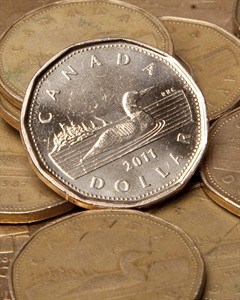
TORONTO – The Canadian dollar was higher Tuesday with nervousness receding somewhat on markets as it appeared that military action against Syria is not imminent.
The currency advanced 0.04 of a cent to 95.01 cents US after President Barack Obama said during the Labour Day weekend that Congress would be asked to vote on authorizing a strike to punish Syria for an alleged sarin gas attack outside Damascus on Aug. 21 that U.S. intelligence says killed 1,429 people.
A vote could come once Congress returns from its summer break, which is scheduled to end Sept. 9.
The key event for the week that could affect the dollar is the Bank of Canada’s interest rate announcement on Wednesday.
The bank is widely expected to leave its key rate unchanged at one per cent, where it has been since September 2010. As usual, traders will look to any change in language in the accompanying statement that would change the consensus that the central bank won’t move on rates until late 2014.
Jobs data will also weigh on markets this week.
Statistics Canada is expected to report Friday that the economy created about 30,000 jobs in August.

But markets are especially anxious to see how U.S. job creation fared in August. The consensus calls for the American economy to have cranked out about 180,000 jobs but recent data showing continuing declines in the numbers of people applying for jobless benefits have led some to think that number could be much higher.
In any event, traders hope the data will provide another clue as to whether the U.S. Federal Reserve will start to pare its monthly US$85 billion of bond purchases, which have kept long term rates low and fuelled a strong rally on many stock markets.
On the commodity markets, oil prices backed away for a third day as the chances of an immediate U.S.-led punitive strike against Syria faded. The October crude contract on the New York Mercantile Exchange was down 27 cents to US$107.38 a barrel.
Copper prices ran ahead after following two reports released Monday that showed China’s manufacturing sector improved last month after prolonged weakness. China is the world’s biggest consumer of copper, which itself is an economic barometer as it is used in so many applications.
The HSBC purchasing managers’ index rose to 50.1 points in August, a level that indicates expansion as output and new orders edged up slightly and order backlogs rose at the fastest pace in two years. The official China Federation of Logistics and Purchasing PMI also showed increasing expansion, rising to 51 from July’s 50, which was the highest level in 16 months.
December copper gained six cents to US$3.29 a pound.
Gold bullion prices edged lower and the December contract faded $3 to US$1,393.10 an ounce.
News from © The Canadian Press, . All rights reserved.
This material may not be published, broadcast, rewritten or redistributed.

This site is protected by reCAPTCHA and the Google Privacy Policy and Terms of Service apply.
Want to share your thoughts, add context, or connect with others in your community?
You must be logged in to post a comment.