Elevate your local knowledge
Sign up for the iNFOnews newsletter today!
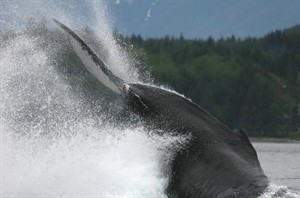
VANCOUVER – A study suggests the number of humpback whales on the northern coast of British Columbia nearly doubled in eight years, but possible oil spills could seriously hamper recovery efforts involving the threatened mammals.
The humpbacks were photographed and identified through unique markings on their massive flukes, or tails, around Gil Island, a summertime feeding destination for the migratory animals heading to Hawaii.
Marine conservation biologist Erin Ashe of the B.C.-based group Oceans Initiative says the number of whales in the study area increased from 70 humpbacks in 2004 to 137 whales in 2011.

The study says the animals tend to be concentrated in the coastal fjord, where tanker traffic would increase if the federal government approves an oil pipeline proposal that would see large volumes of crude oil shipped through the region.
Ashe says any oil spills could be catastrophic for humpback whales, which already face danger from becoming entangled in fishing gear and were legally hunted in B.C. until 1967.
The Gitga’at First Nation was also involved in the study, which is published today in the online journal PLOS ONE.
News from © The Canadian Press, . All rights reserved.
This material may not be published, broadcast, rewritten or redistributed.

This site is protected by reCAPTCHA and the Google Privacy Policy and Terms of Service apply.
Want to share your thoughts, add context, or connect with others in your community?
You must be logged in to post a comment.