Elevate your local knowledge
Sign up for the iNFOnews newsletter today!
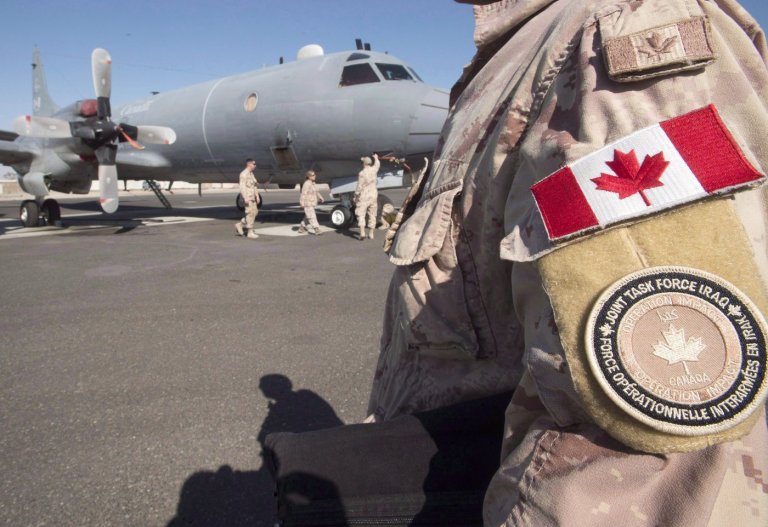
OTTAWA – The strain of what seems like never-ending conflict overseas in the last two decades is hurting the children and spouses of Canadian Forces members, says an in-depth study by military ombudsman Pierre Daigle.
His latest report, released Tuesday, found the health and the grades of children suffer when their parents deploy to Afghanistan, Haiti or another of the world’s trouble spots.
“From a health perspective, children of deployed military members were found to experience physical issues, including increased stress, sleeping problems and more than double the rate of occurrence of other ailments compared to similar children within the civilian population,” the 89-page report said.
“Families and providers/supporters repeatedly conveyed situations of healthy children becoming sick during deployments.”
The report said military children often feel isolated and misunderstood. Issues related to the education of their children was cited as “one of the dominant reasons for CF members leaving the military.”
The 14-month study interviewed 370 current and former military families across the country and found that children’s worries about parents in war zones distracted them from their studies.
“Families also noted that academic performance is generally impacted by the prevalence of extended deployments to locations such as Afghanistan,” the report said. “This is corroborated by scientific research, which shows that military children experiencing deployment test substantially lower than their civilian counterparts in a range of subjects.
The strain is also evident among military couples, where some say it can take a year or more for the soldiers, sailors or aircrew to reintegrate with the family after an overseas tour and sometimes bonds are never fully restored.
Also, because of frequent moves, military spouses have a tough time finding meaningful employment.

Housing is another big issue, with Daigle noting that affordability in off-base accommodations is becoming a real challenge in different parts of the country.
Those who choose to live on bases often find a wide disparity in the quality of military housing, most of which was built between the late 1940s and the 1960s.
The watchdog pointed to a 2012 Canadian Forces Housing Agency assessment of its over 12,000 housing units, which found about 29 per cent of them are considered to be in “poor condition,” and have “exceeded their life cycle.”
Daigle also took on the issue of military families, living off base, who are forced to swallow equity losses when they sell their homes during forced transfers.
Military members are eligible for reimbursement of up to $15,000 in losses, and potentially could receive more if selling in a so-called “depressed market.”
But the ombudsman says Treasury Board guidelines set the standard so high that no one qualifies, leaving soldiers bewildered and embittered.
“Unfortunately, many families discover too late that this benefit is subject to stringent conditions and thus applied on an exceptional basis only,” the report said.
“The restrictive application of this benefit is not specified or referred to in policy and is therefore not understood until a military family faces a loss on a home sale. This creates a false expectation in the minds of many families that this program protects them in the event of having to sell at a loss.”
News from © The Canadian Press, . All rights reserved.
This material may not be published, broadcast, rewritten or redistributed.

This site is protected by reCAPTCHA and the Google Privacy Policy and Terms of Service apply.
Want to share your thoughts, add context, or connect with others in your community?
You must be logged in to post a comment.