Elevate your local knowledge
Sign up for the iNFOnews newsletter today!
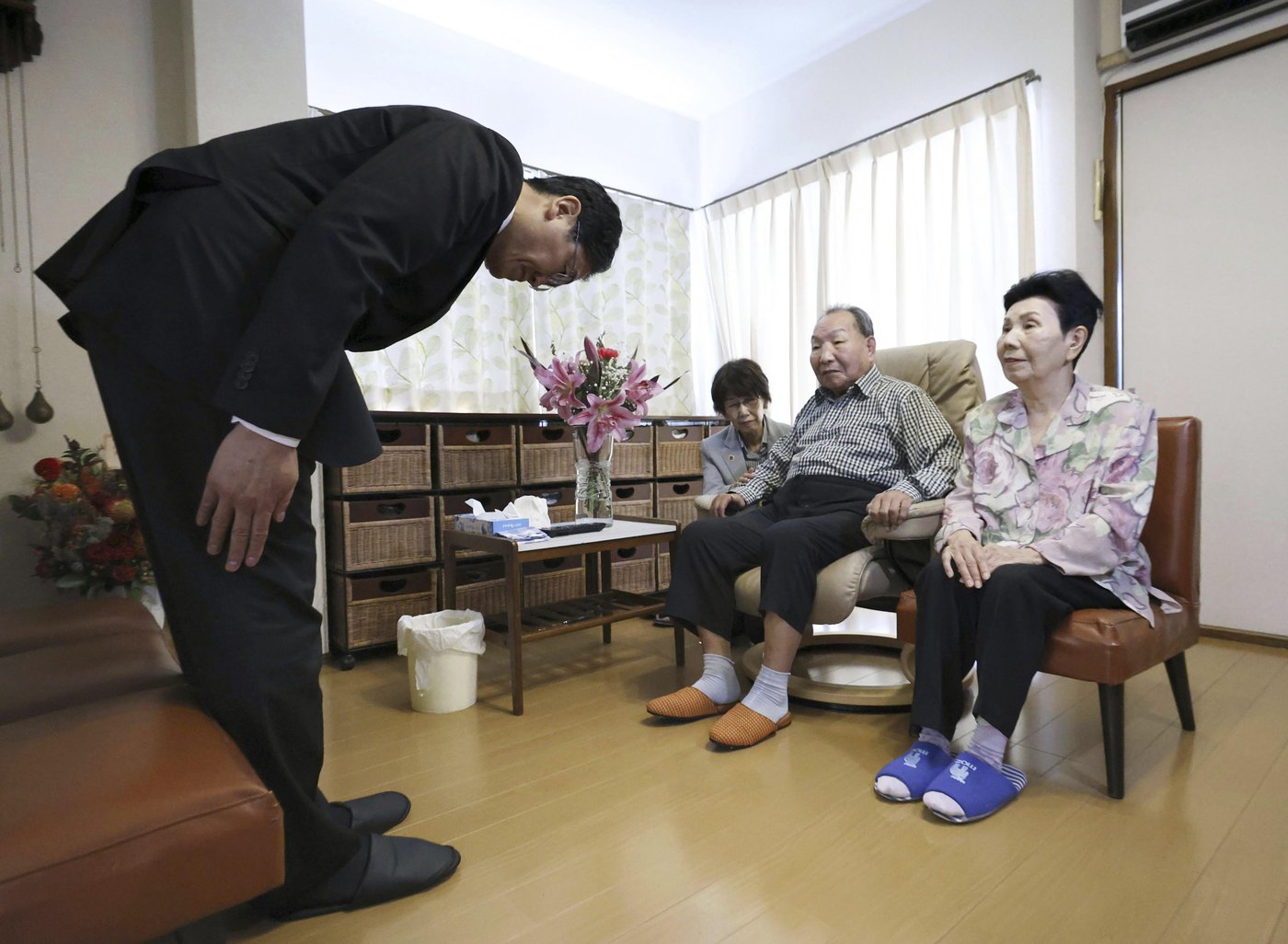
TOKYO (AP) — A Japanese police chief on Monday apologized in person to Iwao Hakamada for his decades-long suffering that started from an overbearing investigation and wrongful conviction that had kept him on death row until last month, when he was acquitted in a retrial.
The 88-year-old Hakamada, a former boxer, was acquitted by the Shizuoka District Court, which said police and prosecutors had collaborated to fabricate and plant evidence against him, and forced him to confess with violent, hourslong closed interrogations.
The acquittal was finalized earlier this month when the prosecution waived its right to appeal — though it complained about the ruling — finally ending Hakamada’s nearly 60-year legal battle to prove his innocence.
Shizuoka Prefectural Police chief Takayoshi Tsuda on Monday visited Hakamada at his home and offered an apology in person. As he entered the room where Hakamada, his sister Hideko Hakamada and their supporter waited, Hakamada silently rose from his sofa to greet him.
“We are sorry to have caused you unspeakable mental distress and burden for as long as 58 years from the time of the arrest until the acquittal was finalized,” Tsuda said, as he stood straight in front of Hakamada and bowed deeply. “We are terribly sorry.” Tsuda promised a “meticulous and appropriate investigation.”
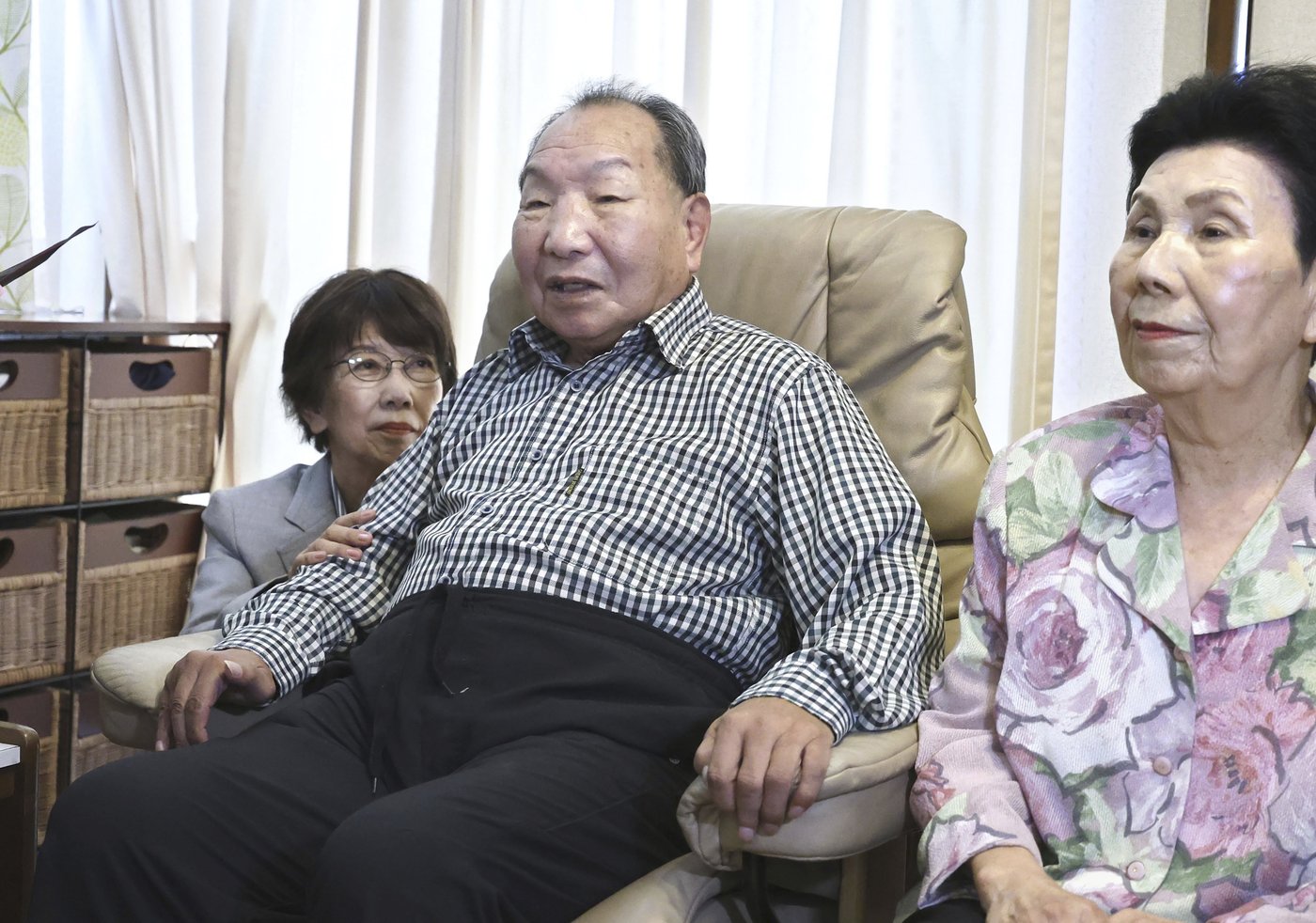
Hakamada, who has difficulty carrying out conversation due to his mental condition from the decades of death row confinement, responded: “What it means to have the authority … Once you have the power, you’re not supposed to grumble.”
Hakamada’s 91-year-old sister, who had stood by her brother through the long process to clear his name and now lives with him, thanked the police chief for visiting them.
“There is no use complaining to him after all these years. He was not involved in the case and he only came here as his duty,” she told reporters afterward. “But I still accepted his visit just because I wanted (my brother) to have a clear break from his past as a death row inmate.”
He was arrested in August, 1966, in the killing of an executive at a miso bean paste company and three of his family members in Hamamatsu, central Japan. He was initially sentenced to death in a 1968 district court ruling but was not executed because of the lengthy appeal and retrial process in Japan.
It took nearly three decades for the Supreme Court to deny his first appeal for a retrial. His second appeal for a retrial, filed by his sister in 2008, was granted in 2014. The court ordered his release from his death row solitary cell but without removing his conviction, pending the retrial process.
Hakamada was the world’s longest-serving death row prisoner and only the fifth death row inmate to be acquitted in a retrial in postwar Japan, where criminal trials take years and retrials are extremely rare.
His case and acquittal have triggered calls for more transparency in the investigation, legal change to lower hurdles for a retrial and debate over death penalty in Japan.
News from © The Associated Press, . All rights reserved.
This material may not be published, broadcast, rewritten or redistributed.

This site is protected by reCAPTCHA and the Google Privacy Policy and Terms of Service apply.
Want to share your thoughts, add context, or connect with others in your community?
You must be logged in to post a comment.