Elevate your local knowledge
Sign up for the iNFOnews newsletter today!
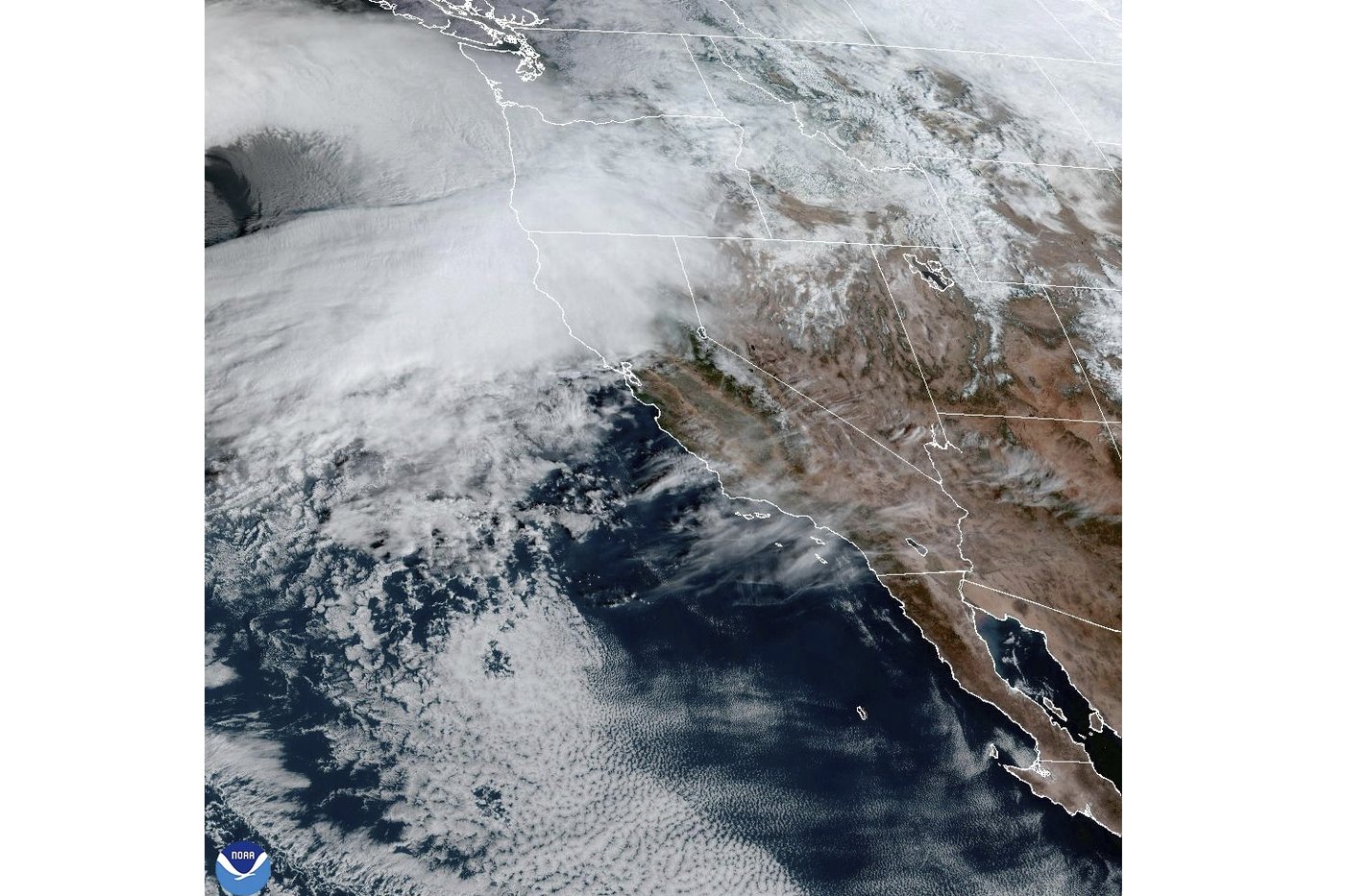
A powerful storm is bearing down on the West Coast and bringing with it a scary-sounding weather term – bomb cyclone.
Bomb cyclone is a term used by weather enthusiasts to describe a process that meteorologists usually call bombogenesis. It’s the rapid intensification of a cyclone in a short period of time, and it can happen during powerful storms such as the one no rthern California and the Pacific Northwest are preparing for this week.
But what is a bomb cyclone, why does it happen and why are these big storms so feared?
What is a bomb cyclone?
A bomb cyclone occurs during the rapid intensification of a cyclone located between the tropics and the polar regions, according to the National Oceanic and Atmospheric Administration. It can happen when a cold air mass collides with a warm air mass, which is something that can occur over ocean waters, the agency says.
The measurement needed to determine whether a cyclone can be classified a bomb cyclone can be tricky, but it largely concerns a swift drop in pressure. Atmospheric pressure is measured in millibars by the National Weather Service. If a storm decreases 24 millibars or more in 24 hours or less, it can be considered a bomb cyclone, said Stephen Baron, a forecaster with the weather service in Gray, Maine.
“I would say rapid intensification of hurricanes is one of the more common times we see it,” Baron said. “We do see it with Nor’easters occasionally.”
Why is it happening on the West Coast?
The National Weather Service Weather Prediction Center has issued excessive rainfall risks starting Tuesday and running through Friday because of the powerful storm expected in northern California and the Pacific Northwest. The storm is arriving as the region experiences an atmospheric river, which is a long plume of moisture, over the Pacific Ocean.
The Weather Prediction Center said the storm intensified swiftly enough that it’s considered a bomb cyclone.
Bomb cyclones can happen in many places, and aren’t unique to the West Coast. They can occur in several parts of the world’s oceans, including the Northwest Pacific and North Atlantic.
What conditions could it bring?
This storm is expected to bring severe rainfall. That could lead to flash flooding as well as winter storms in different parts of the West Coast depending on elevation.
High wind watches are also expected in some parts of the West Coast.
Travel is expected to be hazardous, and power outages are expected. There could also be significant damages to trees and infrastructure.
When else has it happened?
Bomb cyclones have been associated with major weather events all over the country in recent years. Hurricane Milton, which made landfall in Florida last month as a Category 3 hurricane, was a recent example of a bomb cyclone, Baron said.
A bomb cyclone in 2018, which helped popularize the term on social media, brought snow to the Southeast and winds that were close to hurricane force. Another in 2022 brought extreme weather and bitter cold to much of the country.
News from © The Associated Press, . All rights reserved.
This material may not be published, broadcast, rewritten or redistributed.

This site is protected by reCAPTCHA and the Google Privacy Policy and Terms of Service apply.
Want to share your thoughts, add context, or connect with others in your community?
You must be logged in to post a comment.