Elevate your local knowledge
Sign up for the iNFOnews newsletter today!
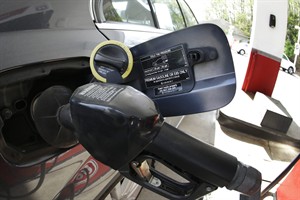
WASHINGTON – Lower U.S. gasoline prices kept consumer inflation in check last month, helping offset higher costs for food and clothing.
The Labor Department said Tuesday that the consumer price index rose 0.2 per cent in March, after scant 0.1 per cent increases the previous two months. Prices have risen just 1.5 per cent year over year. That remains well below the Federal Reserve’s 2 per cent target for inflation.
Excluding the volatile food and energy categories, core prices increased 0.2 per cent in March and 1.7 per cent in the past year.
Prices at the gas pump tumbled 1.7 per cent in March, lowering costs for the entire energy category.
But food prices jumped 0.4 per cent, led by increases in eggs, milk, butter, oranges, pork chops, ground beef and poultry. Prices for clothing, used cars and cable television also rose.
Overall, signs point to continued low inflation. Sluggish growth and a tough job market have limited price increases, making it harder for retailers and other businesses to charge more.

Consumer prices rose just 1.5 per cent for all of 2013, down from 1.8 per cent in 2012.
Though shoppers welcome lower prices, super-low inflation can stall economic growth. Lower prices encourage consumers to delay purchases. Extremely low inflation can also raise inflation-adjusted interest rates, thereby discouraging borrowing.
Still, low inflation has enabled the Fed to pursue extraordinary stimulus programs to try to boost economic growth.
The Fed is now trying to unwind some of that stimulus. It plans to buy $55 billion in bonds this month, down from $85 billion in March of last year. The bond purchases are intended to lower long-term rates, which can spur borrowing and spending.
Despite scaling back its purchases, Fed officials have expressed concern about inflation running below their target. As a result, the Fed is prepared to hold shorter-term rates near zero even if unemployment falls by roughly a percentage point from its current level of 6.7 per cent. This suggests that the Fed might not raise rates until the middle of 2015.
News from © The Associated Press, . All rights reserved.
This material may not be published, broadcast, rewritten or redistributed.

This site is protected by reCAPTCHA and the Google Privacy Policy and Terms of Service apply.
Want to share your thoughts, add context, or connect with others in your community?
You must be logged in to post a comment.