Elevate your local knowledge
Sign up for the iNFOnews newsletter today!
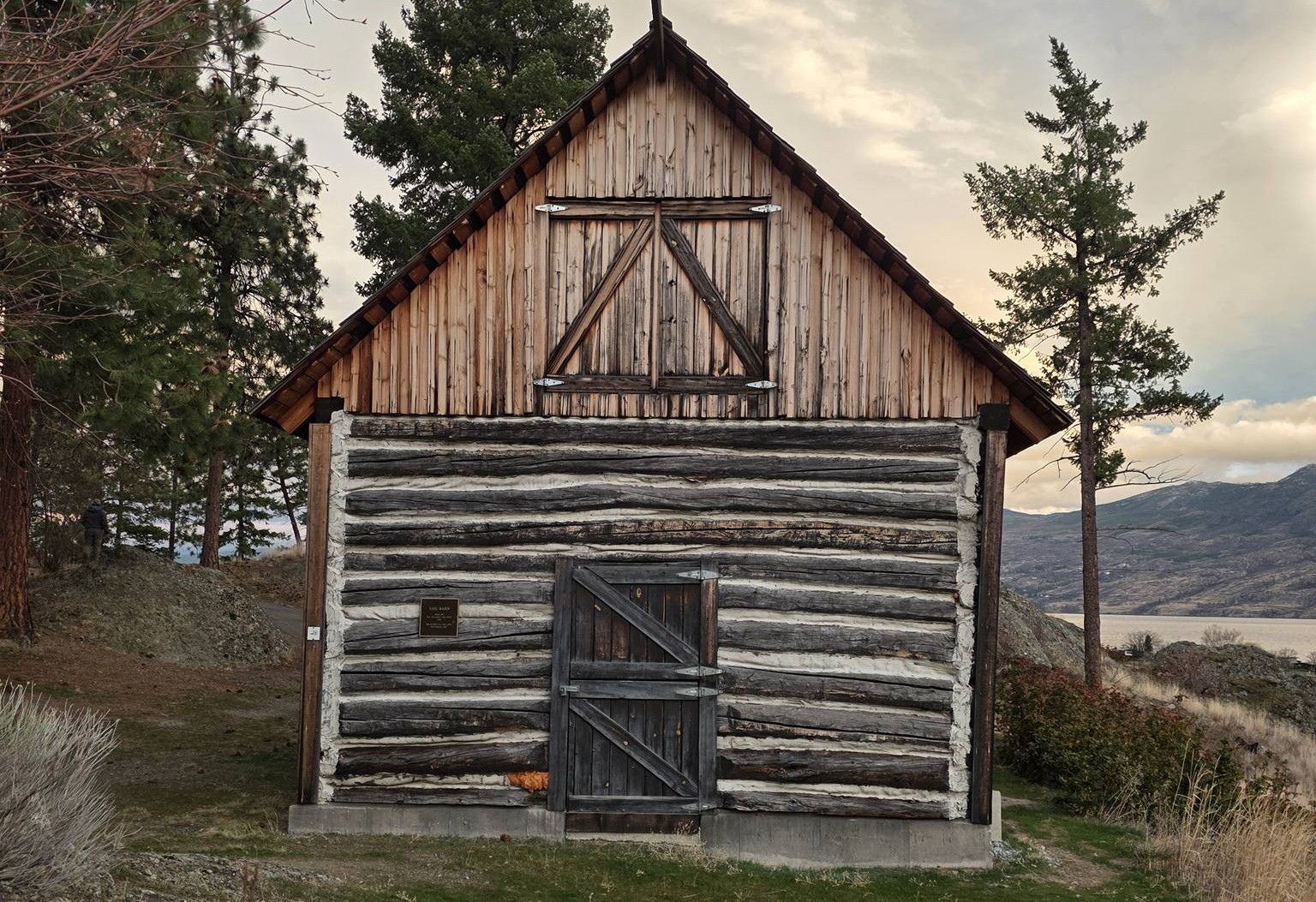
Nestled along the waterfront in West Kelowna is the tranquil Gellatly Regional Heritage Park, and while many locals have explored it, the historical gem came as a welcome surprise for travellers from the Lower Mainland last week.
Cloverdale resident Natasha Belzer and her boyfriend were celebrating an anniversary in Kelowna earlier this month when they found the park and the cemetery within it.
“Our hotel was up the road and we drove past the park at first, then decided to go back and check it out, I’d never heard of it,” she said.
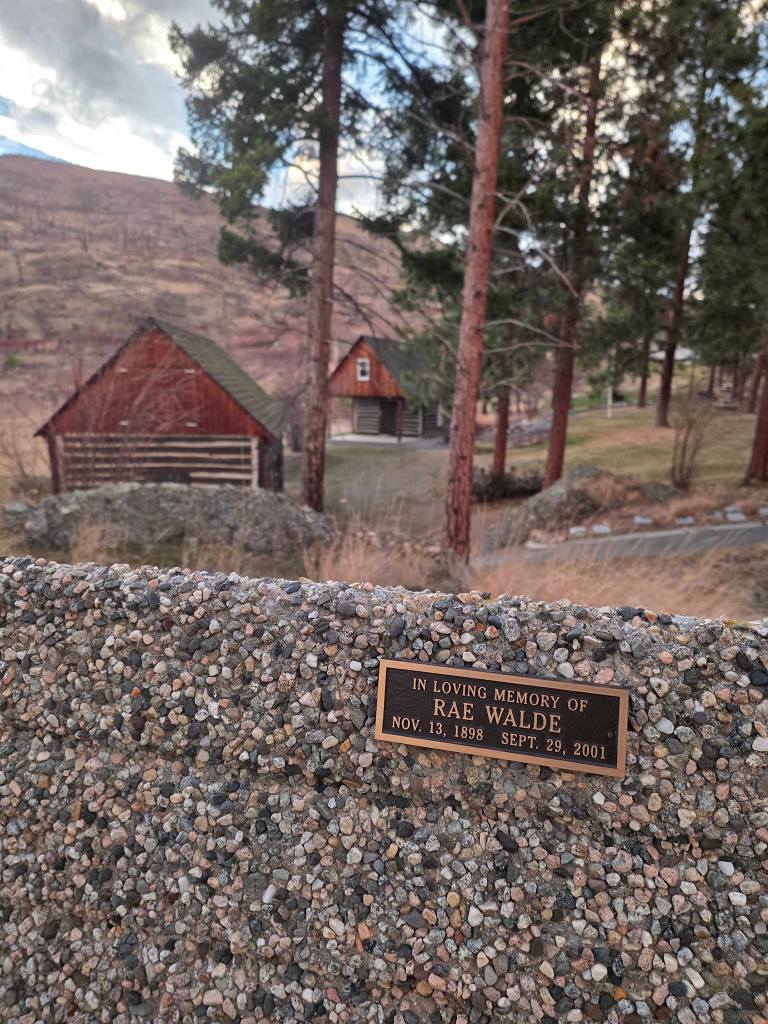
The 2.6 hectare park is tucked under a shady grove of nut trees with a with benches and a paved path looping around a cemetery and heritage buildings. The property was once home to a pioneer family, the Gellatly’s.
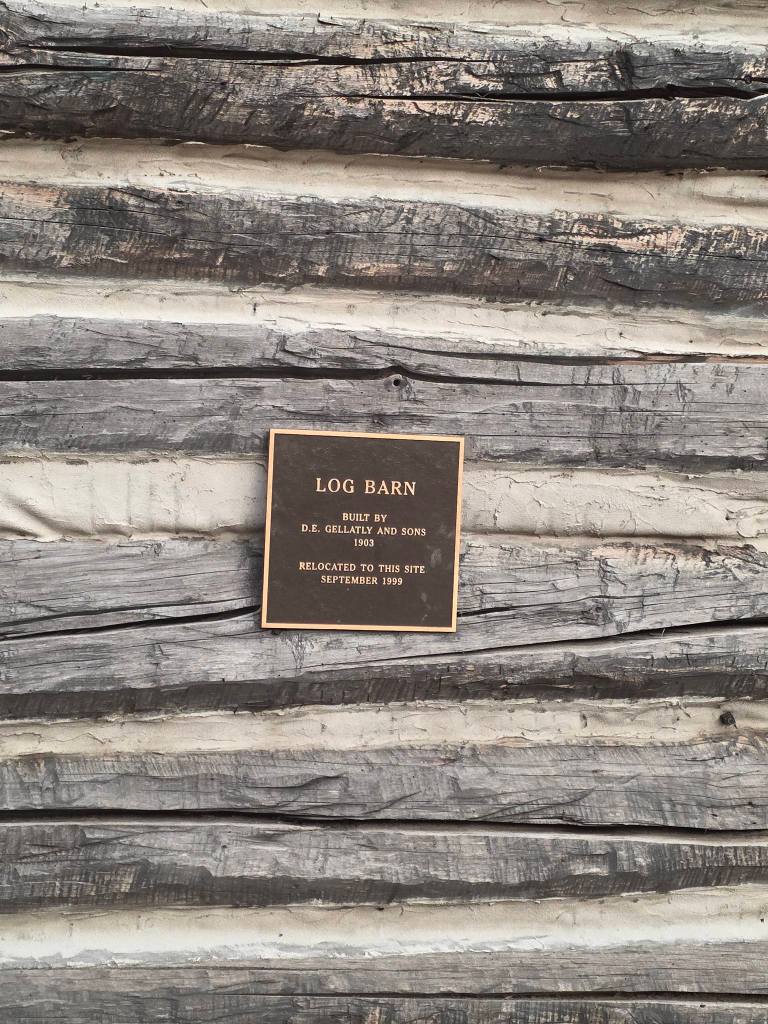
“The park provides a glimpse into the lives of an early settler family that helped shape agriculture in the region,” she said. “There were a couple of old buildings onsite and plaques to read. We found a cemetery where there were quite a few graves of people who lived to 100.
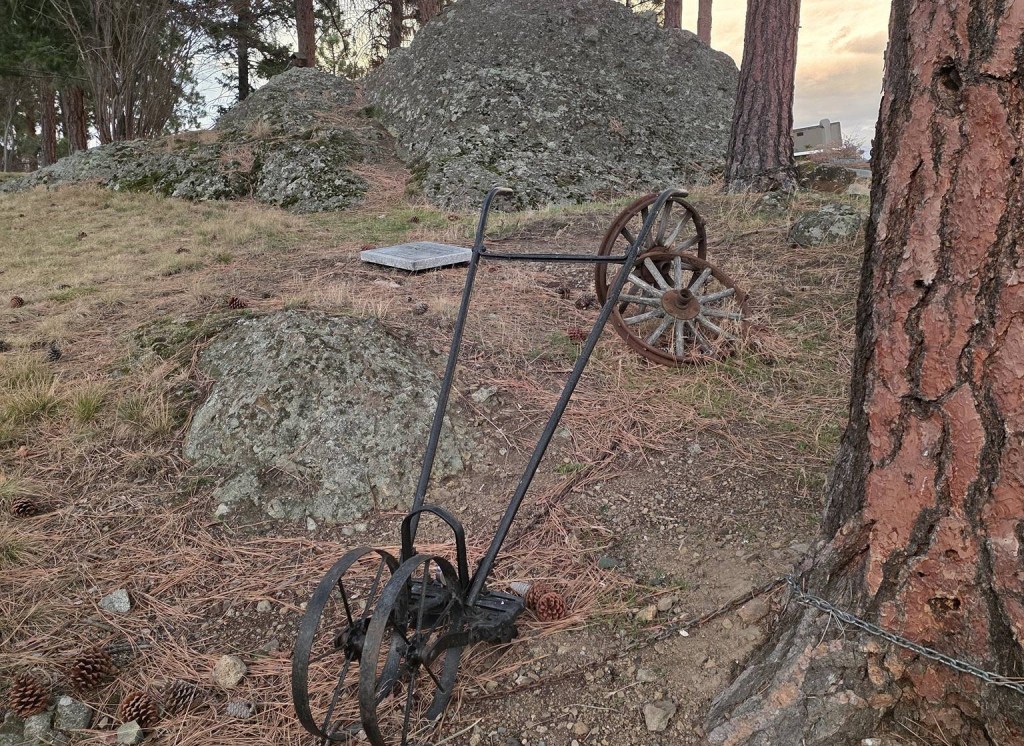
“There was a tool chained to a tree that looks like a piece of old farming equipment.”
The land the park is on was once known as Powers Flat. It was cleared for farming by David Gellatly in the early 1900s after he emigrated with his family from Scotland to Ontario then the Okanagan Valley, according to the Westbank Museum.
After first planting potatoes and tomatoes on farmland in Fintry further north on Okanagan Lake, and becoming the first man to ship a carload of potatoes out the Okanagan, David moved his wife and nine kids to the what is now the heritage park and settled there.
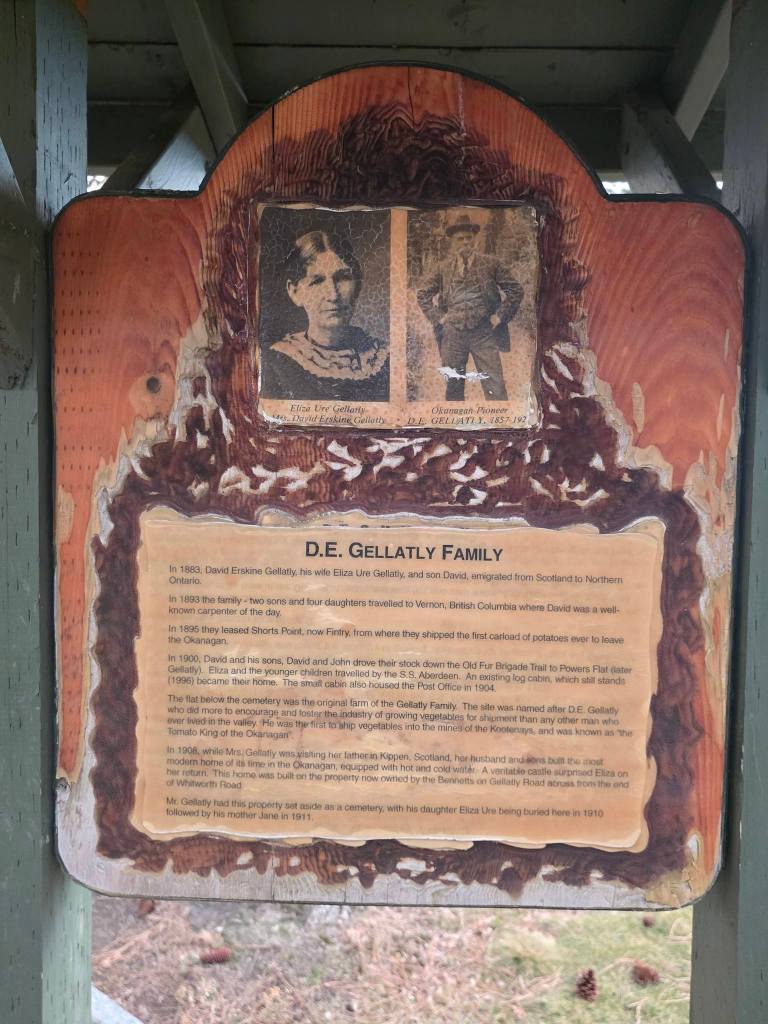
With a lot of backbreaking manual labour, the land was cleared and David planted fruit trees and built a greenhouse for growing produce. The family built a packing house, a box assembly building and a wharf for the CPR to pick up shipments.
In 1919, a fire destroyed the buildings and wharf, and in 1922, David died. His children Jack and David researched and planted nut trees, later operating the only nursery in the country specializing in nut stock with the nuts winning continent-wide competitions. Those nut trees remain today.
Belzer’s hobby is travelling through the BC Interior looking for historical sites including ghost towns and remnants of the gold rush. She said she was glad she decided to stop and explore the site.
“It’s a beautiful, peaceful place. We try to get out exploring as much as we possibly can and see if we can find old things and learn about them,” she said. “It’s a great way to get into the culture of the Interior.”
News from © iNFOnews.ca, . All rights reserved.
This material may not be published, broadcast, rewritten or redistributed.

This site is protected by reCAPTCHA and the Google Privacy Policy and Terms of Service apply.
Want to share your thoughts, add context, or connect with others in your community?
You must be logged in to post a comment.