Elevate your local knowledge
Sign up for the iNFOnews newsletter today!
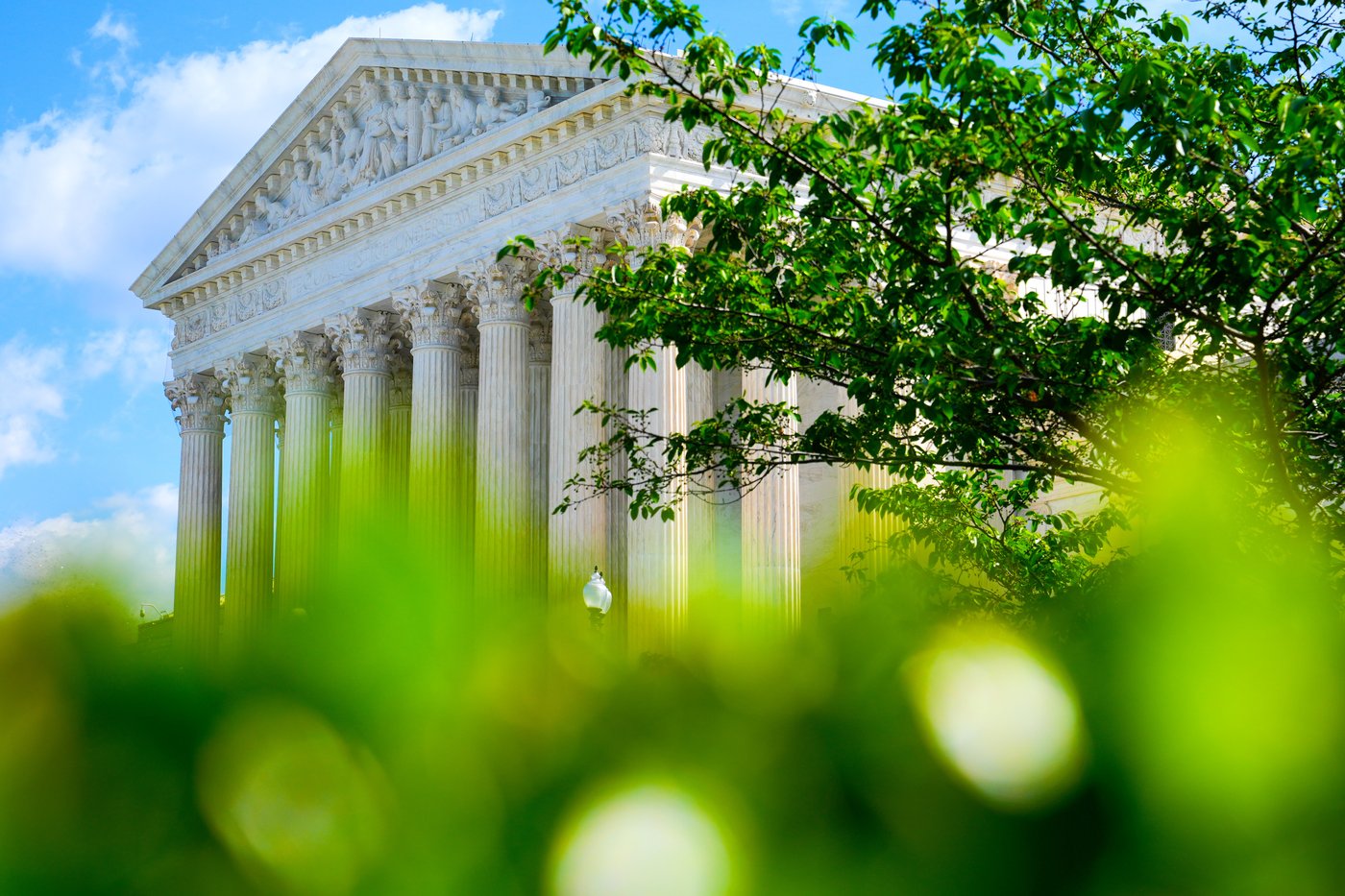
WASHINGTON (AP) — The Supreme Court on Wednesday sided with a faith-based pregnancy center that raised First Amendment concerns about an investigation into whether it misled people to discourage abortions.
The high court’s unanimous ruling is a procedural victory for First Choice Women’s Resource Centers, which is challenging a New Jersey investigation of its practices.
The conservative-majority court has given abortion opponents high-profile wins in recent years, most notably the watershed case that overturned the nationwide right to abortion in 2022. First Choice, though, had also drawn support from the American Civil Liberties Union, which supports abortion rights but backed the group’s First Amendment concerns.
The Supreme Court’s decision lets First Choice sue over a state-issued subpoena in federal court, though the ruling does not resolve the underlying case.
Lawyer Erin Hawley with the Alliance Defending Freedom argued the case, and said the group looks forward to taking up the case in federal court if New Jersey’s attorney general decides to “continue these efforts on remand.”
Facilities often known as “crisis pregnancy centers” have been on the rise in the United States as Republican-controlled states enforce bans or restrictions on abortion and some steer tax dollars to the centers, which provide prenatal care and steer women to carrying pregnancies to term.
As Democratic-leaning states seek to protect abortion access, several have investigated whether the anti-abortion centers mislead women, including by implying they offer abortions.
In New Jersey, then-Democratic Attorney General Matthew Platkin sent a subpoena asking for donor lists and other information.
First Choice pushed back, arguing the investigation was baseless and the demand for donor lists threatened their First Amendment rights to free speech and association. They tried to challenge the subpoena in federal court, but a judge found the case was not yet far enough along. An appeals court agreed.
First Choice then turned to the Supreme Court.
They argued access to federal court is important in cases where government investigators are accused of misusing state power, and the ACLU agreed that subpoenas seeking donor information can scare away supporters.
The state argued that the information would only be used to ask donors whether they had been deceived about First Choice’s services, and the subpoena could not have threatened their First Amendment rights because the group hadn’t yet been required to turn over any information.
A court order is required to enforce the subpoena, and the judge overseeing the underlying case has so far only ordered the two sides to negotiate.
New Jersey also argued that allowing First Choice to sue could usher in a glut of lawsuits from the thousands of businesses that get similar subpoenas.
The Trump administration weighed in to support First Choice. The Justice Department argued that any impact would be relatively small since the decision would only apply to groups with similar First Amendment arguments.
News from © The Associated Press, . All rights reserved.
This material may not be published, broadcast, rewritten or redistributed.

This site is protected by reCAPTCHA and the Google Privacy Policy and Terms of Service apply.
Want to share your thoughts, add context, or connect with others in your community?
You must be logged in to post a comment.