Elevate your local knowledge
Sign up for the iNFOnews newsletter today!
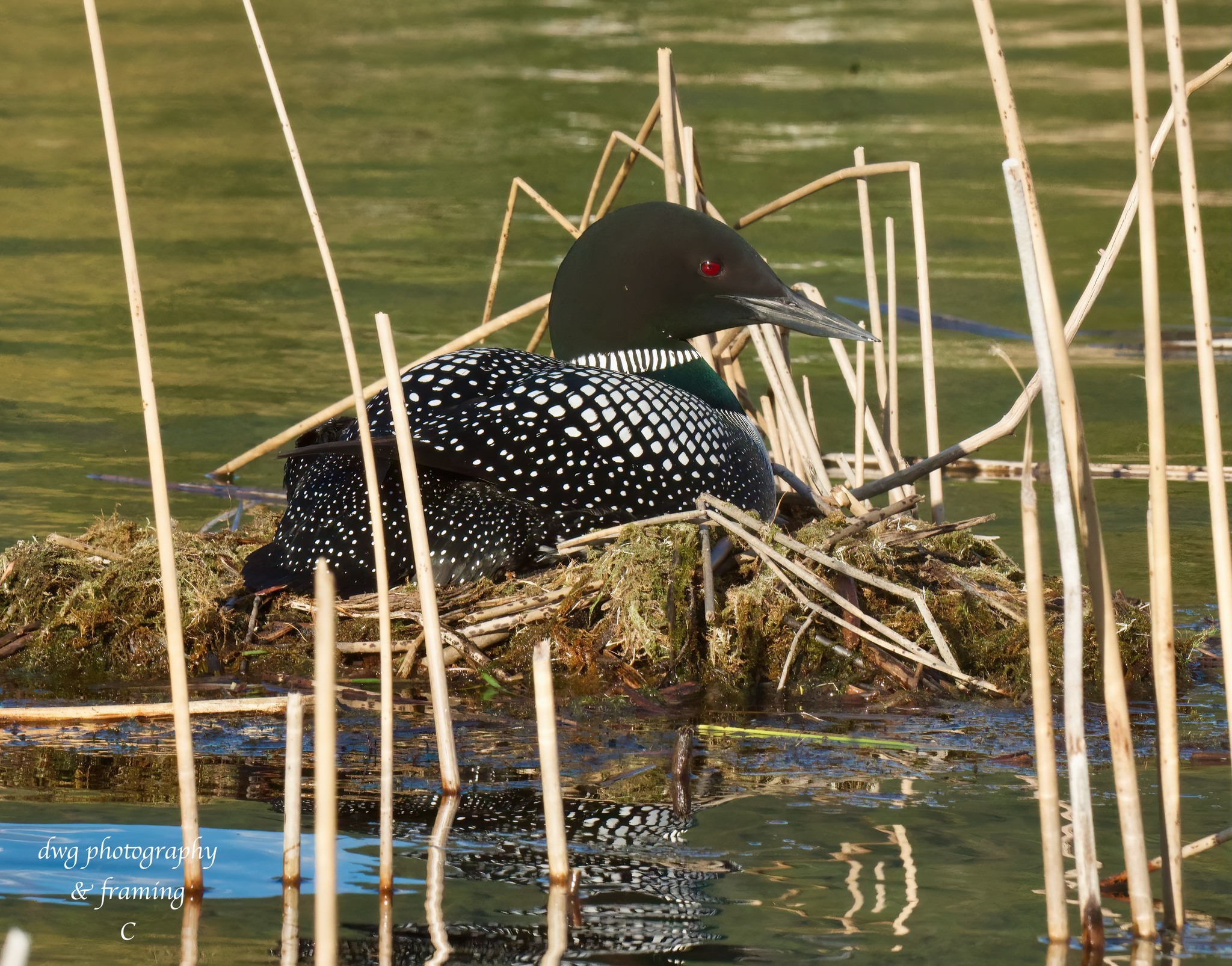
It’s breeding season for common loons in the Thompson-Okanagan region and pairs of the birds are busy nesting and laying eggs on the shores of mountain lakes.
The iconic North American waterbirds are known for their masterful diving capabilities and haunting calls that echo across water bodies.
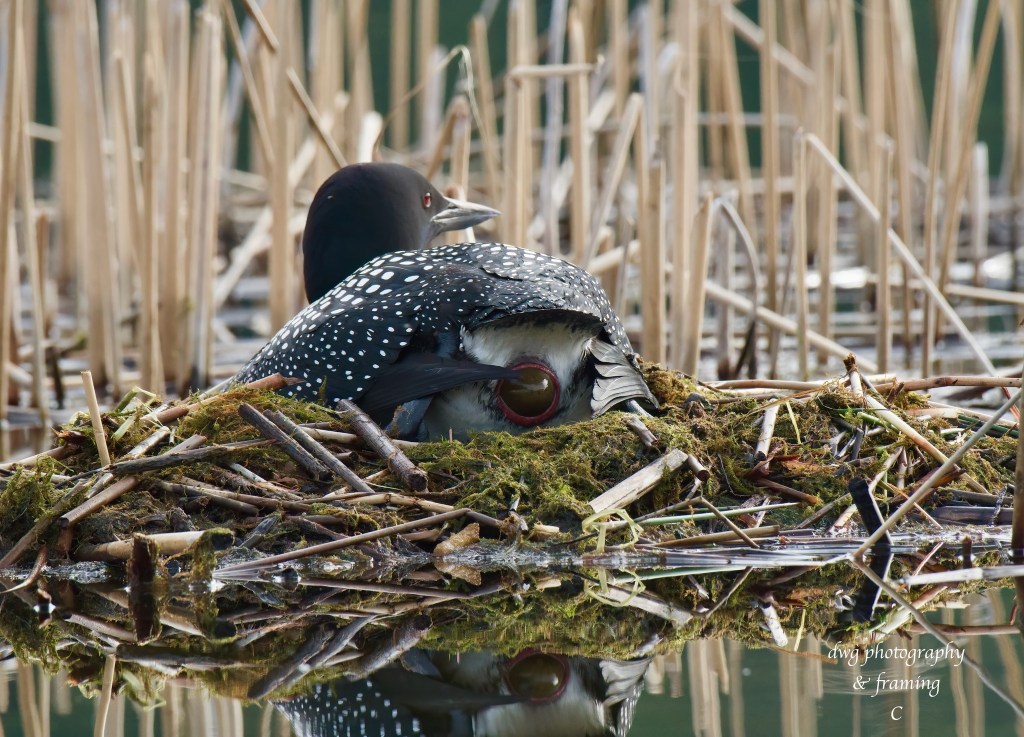
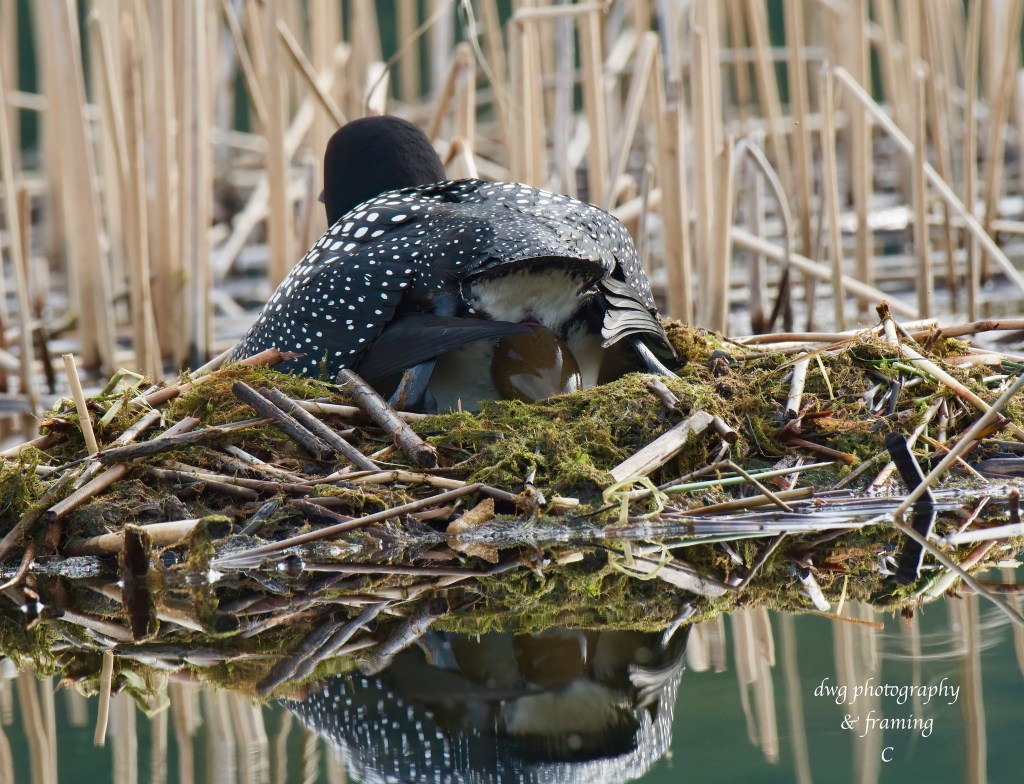
Kamloops wildlife photographer Doug Giles has been observing a pair of loons on Paul Lake in Kamloops this month, and he recently captured stunning pictures of the couple nesting and laying their first egg.
“I photograph loons on the lake every year, but I’ve never captured one laying an egg before, I was at the right place at the right time,” he said.
“The eggs are a beautiful green colour with black spots. This breeding pair are at the far end of the lake and they’ve been coming back for the last twenty years.”
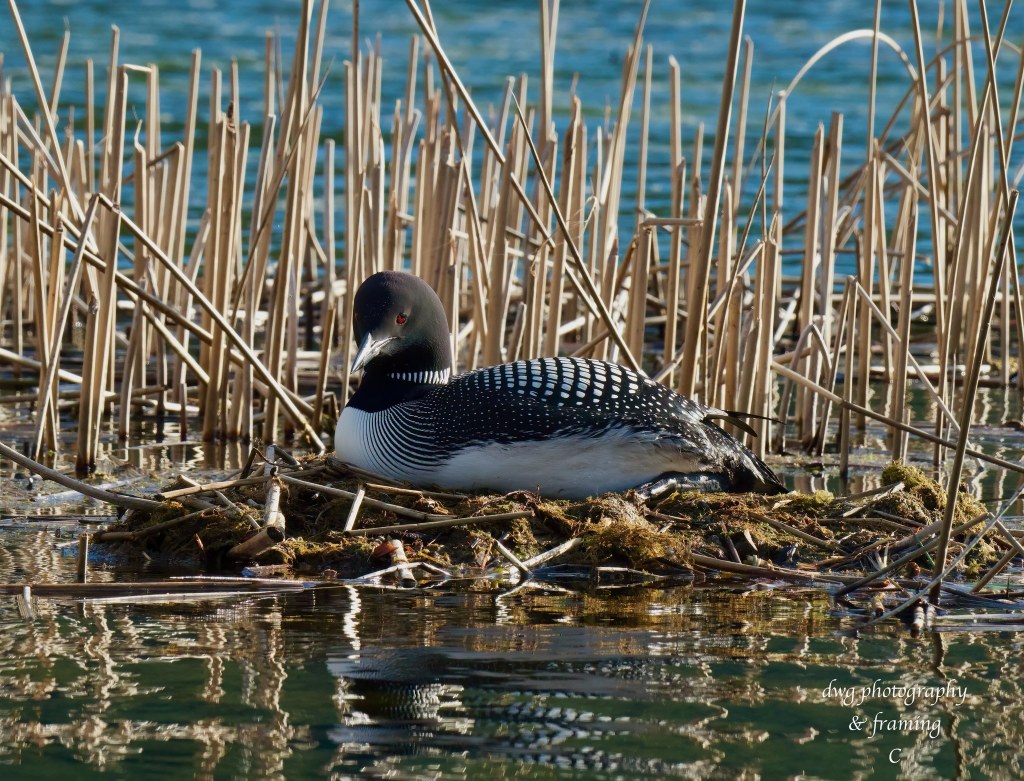
Common loons often return to the same lake and territory to breed, but nesting locations have to be very specific, according to biologyinsights.com.
The ideal breeding lake has more than sixty acres of area to give the birds a lot of space for foraging and fishing, with room for their exceptionally long water takeoffs, and it has to have a healthy fish population.
The male loon selects the nest location on the water’s edge where the incubating adult can easily slide into the water if threatened. The birds like to nest in sheltered spots and on hummocks in marshy areas and will build their nests with mud, pine needles and aquatic vegetation.
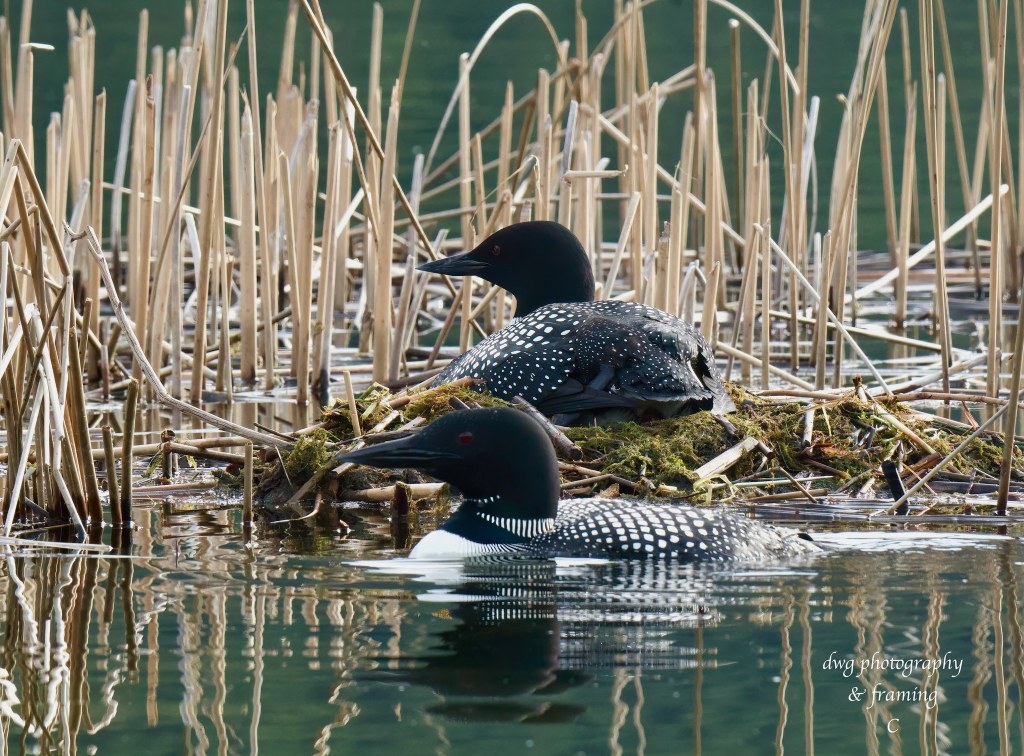
The loon eggs typically will hatch after roughly one month of incubation in late June or early July, and for at least a couple of weeks will ride on their parents’ backs to keep warm while the adults fish and forage.
Giles will be ready to photograph the babies when they arrive.
“I photograph the chicks every year but in the past couple of years they’ve been taken by eagles, so I’m hoping this time they’ll survive,” he said.
News from © iNFOnews.ca, . All rights reserved.
This material may not be published, broadcast, rewritten or redistributed.

This site is protected by reCAPTCHA and the Google Privacy Policy and Terms of Service apply.
Want to share your thoughts, add context, or connect with others in your community?
You must be logged in to post a comment.













One response
Please send pictures of the babies