Elevate your local knowledge
Sign up for the iNFOnews newsletter today!
Elevate your local knowledge
Sign up for the iNFOnews newsletter today!
Select Region
Selecting your primary region ensures you get the stories that matter to you first.
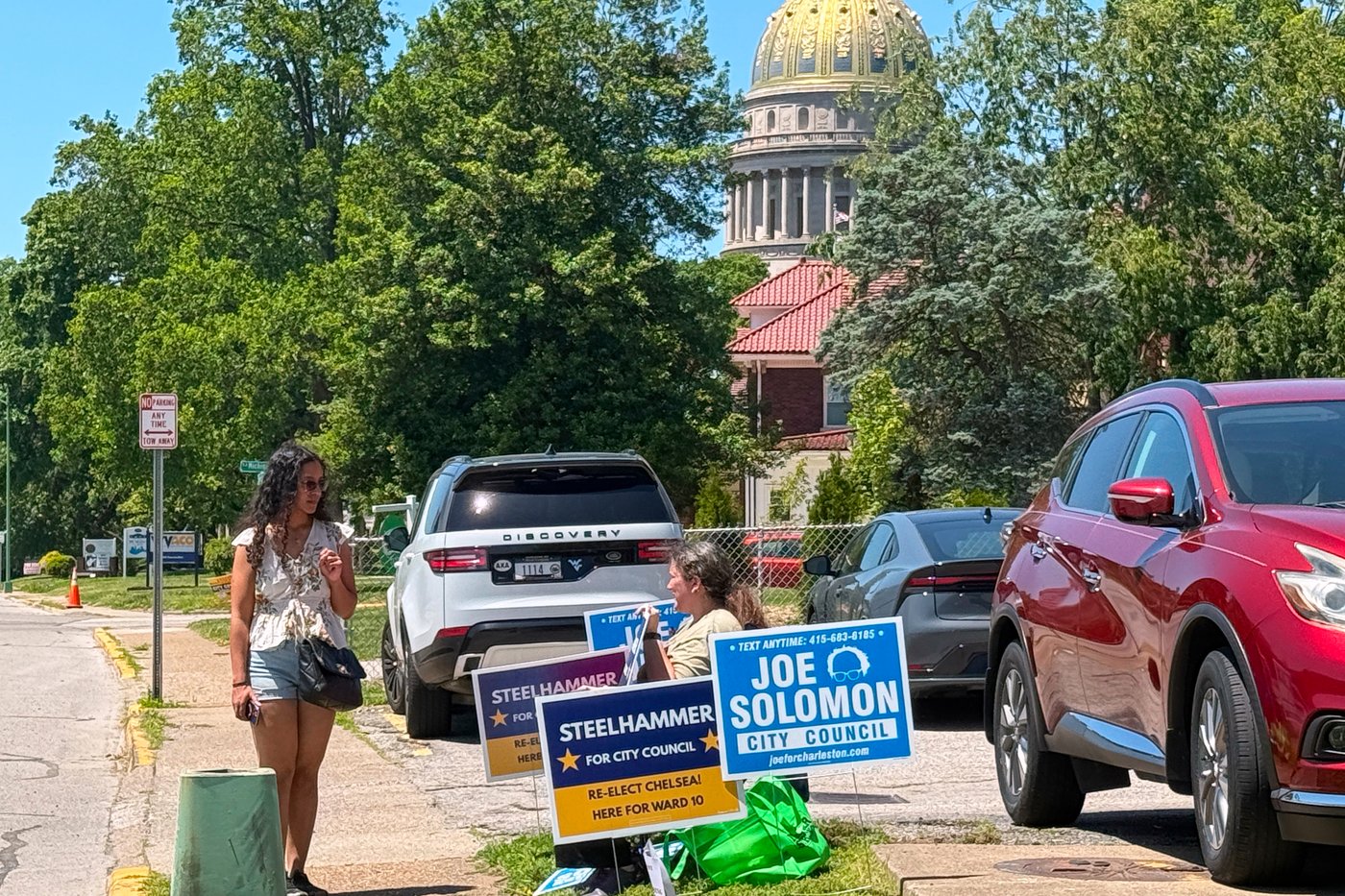
CHARLESTON, W.Va. (AP) — Presenting a utility bill as a valid form of identification at a voting precinct in West Virginia has gone the way of the tavern polling place and the punch-card ballot.
State lawmakers tightened an existing voter identification law by requiring photo ID at the polls, with some exceptions. The law was used for the first time in Tuesday’s primary election, and officials said they’ve seen very few glitches.
“The whole point of the law is just making sure you are who you say you are,” Secretary of State Kris Warner said Monday.
Voters will nominate candidates for U.S. Senate, U.S. House and state legislature. They also will elect two new state Supreme Court justices.
During the in-person early voting period that ended Saturday, Warner said his office hadn’t heard of anyone who demanded to vote without a photo ID. He said the state had asked residents to use photo IDs for the past few elections, so “it was not a big shock that it was now law.”
Many voters took the change in stride, although some were concerned it could lead to voter suppression.
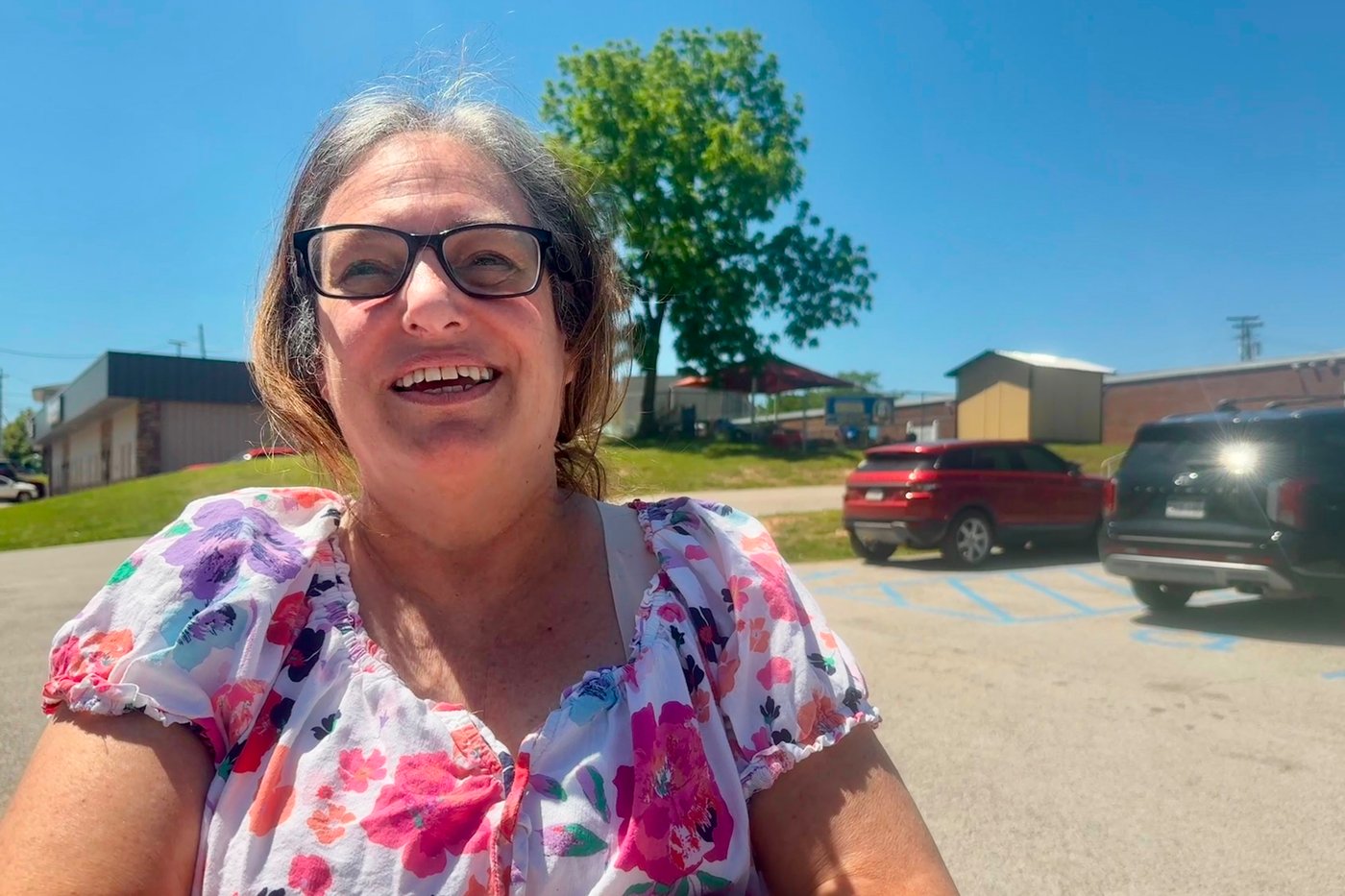
“I think it’s harmful,” said Tina Scala, a 60-year-old nurse from Cross Lanes. “I think it’s discriminatory, takes us back decades.”
Proponents say the law will cut down on voter fraud and that a photo ID is already required for everyday tasks such as getting on an airplane or buying alcohol.
Scala said she doesn’t view illegal voting as a widespread issue.
“They’re trying to portray it as a good thing to get (after) voter fraud, which isn’t really happening,” she said. “And what actually is going to happen is going to interfere with women’s ability to vote.”
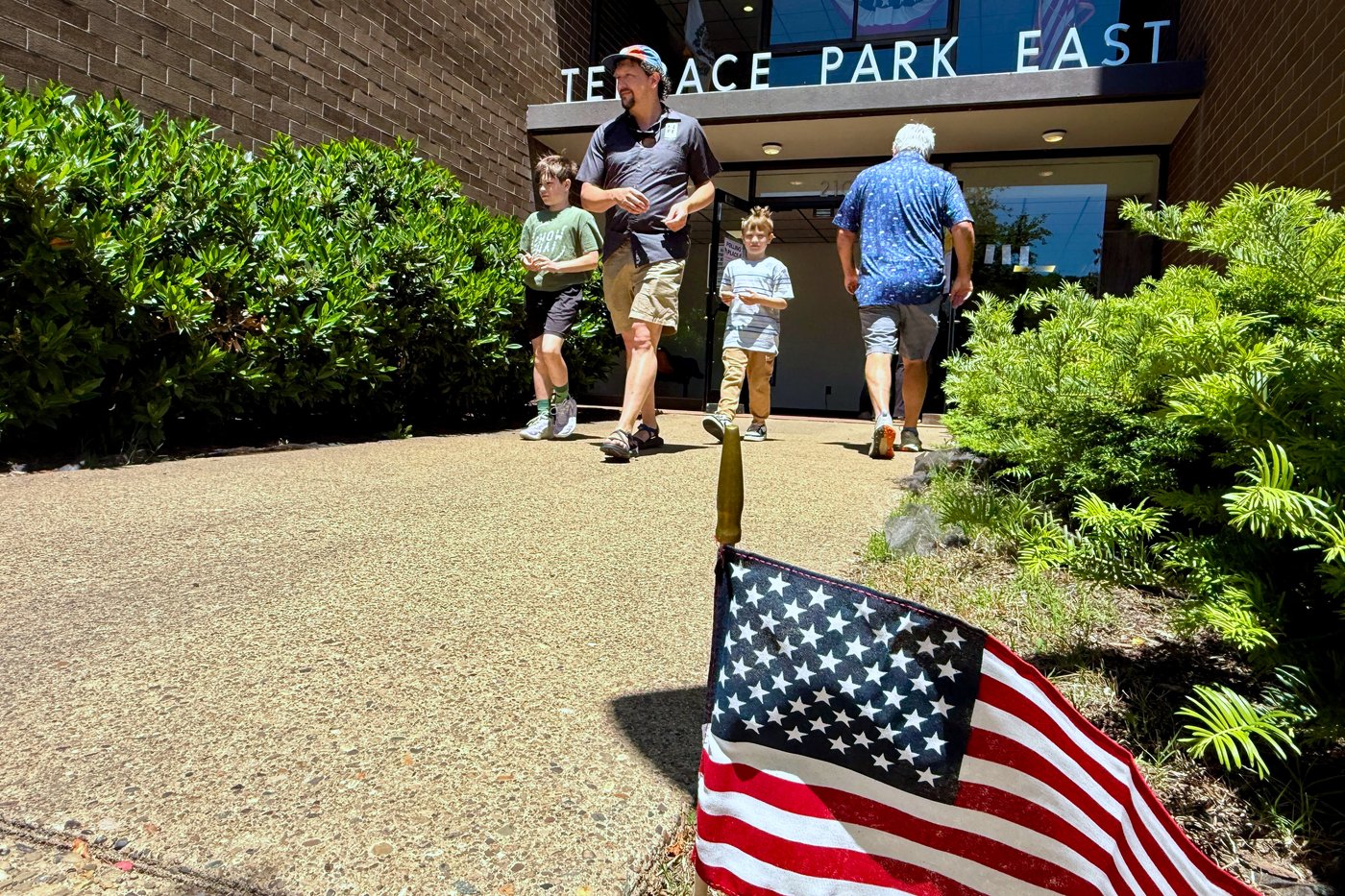
John Query, a 37-year-old brewery general manager and registered Democrat, brought his two stepsons to vote at a polling place near the state Capitol in Charleston, showing his ID in compliance with the new law.
“I understand it’s prohibitive to some,” he said. “I wouldn’t prefer it that way.”
During his statewide travels over the past two weeks, Warner said he was told of some instances where people returned to their vehicle to retrieve a photo ID after entering a polling place. Another voter used an exception to the law by filling out a form that was verified by a poll worker who has known them for at least six months. There also were exceptions for first-time voters.
Most states either require or request some form of ID for in-person voting at the polls.
The bill sailed through the Republican-supermajority legislature last year. All votes against it were cast by Democrats.
Forms of identification that are no longer accepted at polling places include utility bills, bank statements, hunting and fishing licenses, bank or debit cards, and concealed carry gun permits. Acceptable forms of photo IDs include a driver’s license, U.S. passport, military ID, employee ID issued by a government agency and a student ID from a high school or college.
Warner said the law allows senior citizens to use expired driver’s licenses, as long as it was valid on their 65th birthday.
Monongalia County Clerk Carye Blaney said for several years her county has used an electronic system to scan bar codes on the back of driver’s licenses to check in voters at polling places.
“I think that it makes voters feel more secure, or it confirms for the voters the security of our elections when we are verifying a photo to a person,” Blaney said.
___
Follow the AP’s coverage of the 2026 election at https://apnews.com/projects/elections-2026/

News from © The Associated Press, . All rights reserved.
This material may not be published, broadcast, rewritten or redistributed.

This site is protected by reCAPTCHA and the Google Privacy Policy and Terms of Service apply.
Want to share your thoughts, add context, or connect with others in your community?
You must be logged in to post a comment.