Elevate your local knowledge
Sign up for the iNFOnews newsletter today!
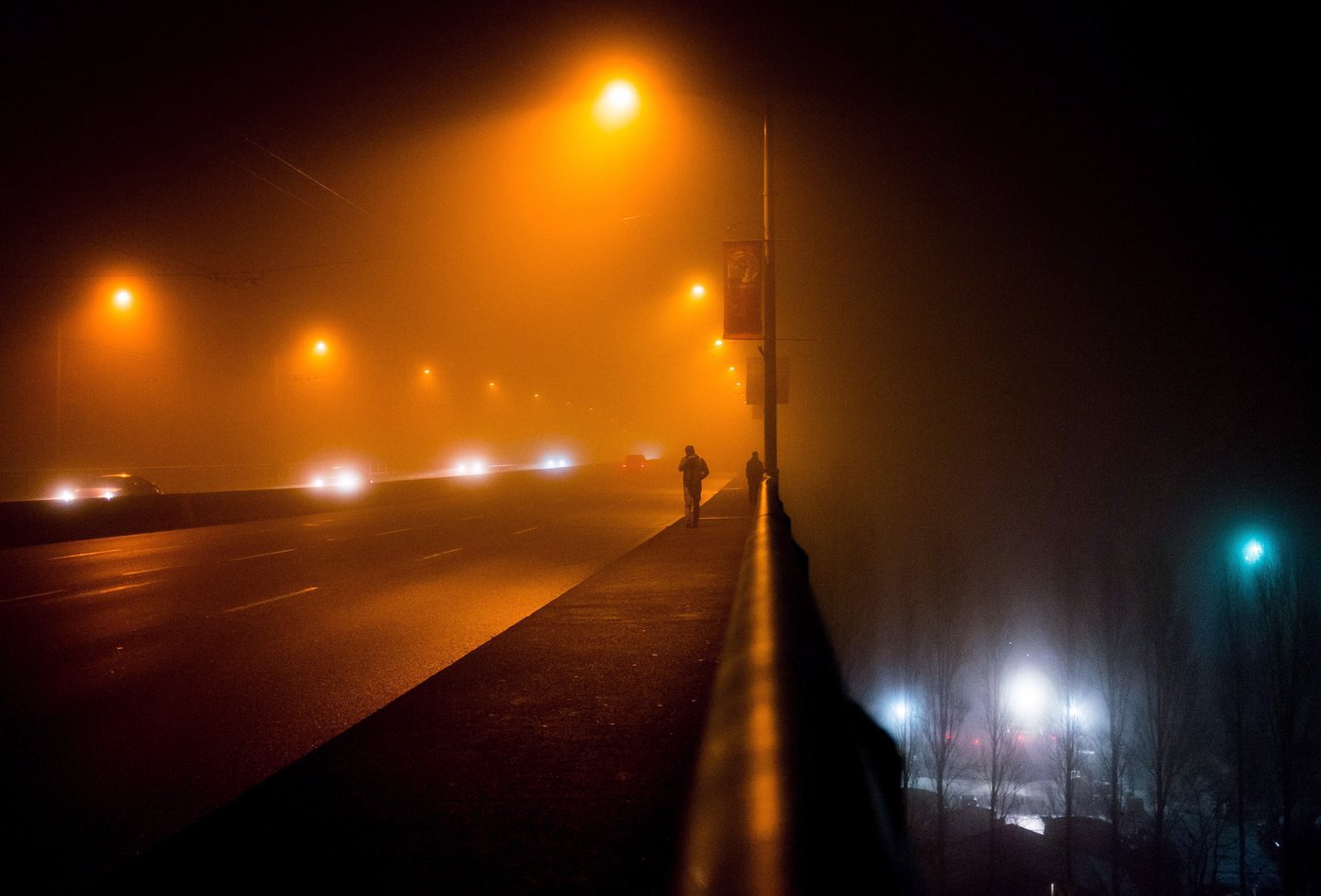
VANCOUVER — The lack of suicide-prevention barriers on Vancouver’s Granville Street Bridge is “inexcusable,” those pushing for the measures say, after a woman fell to her death in an incident that unfolded over more than nine hours.
Police say the woman who was suffering a mental health episode had been clinging to the outside of the bridge since Tuesday afternoon before falling from scaffolding around 1:30 a.m. Wednesday.
The police operation shut down the Granville Street Bridge for hours, causing gridlock on other routes in and out of the downtown core during the evening rush hour and beyond.
The situation also unfolded in view of residents of highrise towers, who could see the person clinging to the base of the railings along the bridge, and standing on the girders below as police stood near her.
“VPD negotiators and the Emergency Response Team were engaged from the very beginning and did everything they could for her,” Vancouver police said in an email Wednesday.
The death outraged those who have been pushing for suicide-prevention barriers on the bridge for several years, saying the recent renovation work on the bridge was a missed opportunity to install barriers.
“I think it’s absolutely inexcusable that we’re in the situation we’re in,” said Tom Lancaster, general manager of Granville Island, the market and tourism precinct that sits directly under the southern end of the bridge linking to downtown Vancouver.
“I’ve been talking about this now since I started on Granville Island five 1/2 years ago. I’m so unbelievably disappointed in the direction that things have gone. And for us to still be looking at studying whether or not the city’s going to allocate the resources to do this, for me, there’s no excuse for it.”
Crisis Centre of BC executive director Stacy Ashton, whose group was involved in the effort to install barriers on the nearby Burrard Street Bridge in 2017, said her reaction to the latest death is one of sadness.
“Just the sadness that, as much as we talk about what goes into suicide prevention barriers and the costs of them and all of that, on the other side is very real human lives,” Ashton said. “And to my mind, it shouldn’t be a question of if we do this. It should be, of course we do this.”
Vancouver’s council voted in March to remove funding for a suicide-prevention barrier on Granville Bridge from its capital plan for 2027-2030.
The City of Vancouver said in a statement that a barrier was identified as a priority during engagement for the Granville Connector project and is considered a part of the bridge’s long-term transportation upgrades.
It is pursuing senior government funding for the project, it said.
“If that effort is successful, we will look at reallocating funds within the capital plan to meet the city’s share of the costs,” the statement said.
Granville Street Bridge is undergoing structural repairs and renovations, with Phase 1 of the work done between 2022 and 2024, and Phase 2 underway with completion by 2027.
Ashton said there are phones connected to the crisis line on the Granville Bridge, but the devices aren’t nearly as effective without a barrier. The Burrard Bridge has both and there have been no suicide deaths since their installation, she said.
“The idea there is that once you’ve had that reset, (after) you’ve been frustrated by the barriers, you have phone backup right there,” she said.
“You can reach out for help to the crisis lines right there and then, so that combination is really a good combination.”
She said calls to the crisis centre doubled during the pandemic when compared with previous years, and they have held steady in the years since.
“I think what we’re seeing is a little bit of a nexus of the need for service and the need for help and the complexity of what’s needed, running up against the government’s ability to pay — and willingness to pay — for the services needed.”
Lancaster said falls from the bridge have been such a concern that Granville Island has developed a traumatic incident response protocol, a necessity that he described as “a really horrible thing.”
“In the past, people have jumped off the bridge onto Granville Island and onto the buildings, and lives have been lost that way,” he said. “And this is really hard to talk about, but if you can imagine how traumatic that would be for people to have to attend that scene … I can tell you right now that the tenant community is extremely fired up about this.”
He said no one on the island has been injured as a result of someone coming off the bridge.
“My mind just goes to the worst possible place, right, on a busy day, something like that happens and it impacts people’s lives forever.”
Lancaster also said police, media and others often take a sensitive approach to the suicide issue, which unintentionally results in a cone of silence around the topic and it not getting the attention it needs despite concern reaching very serious levels.
“If people don’t talk about it, it’s not a problem, and then no one’s going to solve it,” he said. “No one’s going to try to put money or resources to a problem that doesn’t exist.
If you or someone you know is thinking about suicide, support is available 24 hours a day by calling or texting 988, Canada’s national suicide prevention helpline.
This report by The Canadian Press was first published May 13, 2026.
News from © The Canadian Press, . All rights reserved.
This material may not be published, broadcast, rewritten or redistributed.

This site is protected by reCAPTCHA and the Google Privacy Policy and Terms of Service apply.
Want to share your thoughts, add context, or connect with others in your community?
You must be logged in to post a comment.