Elevate your local knowledge
Sign up for the iNFOnews newsletter today!
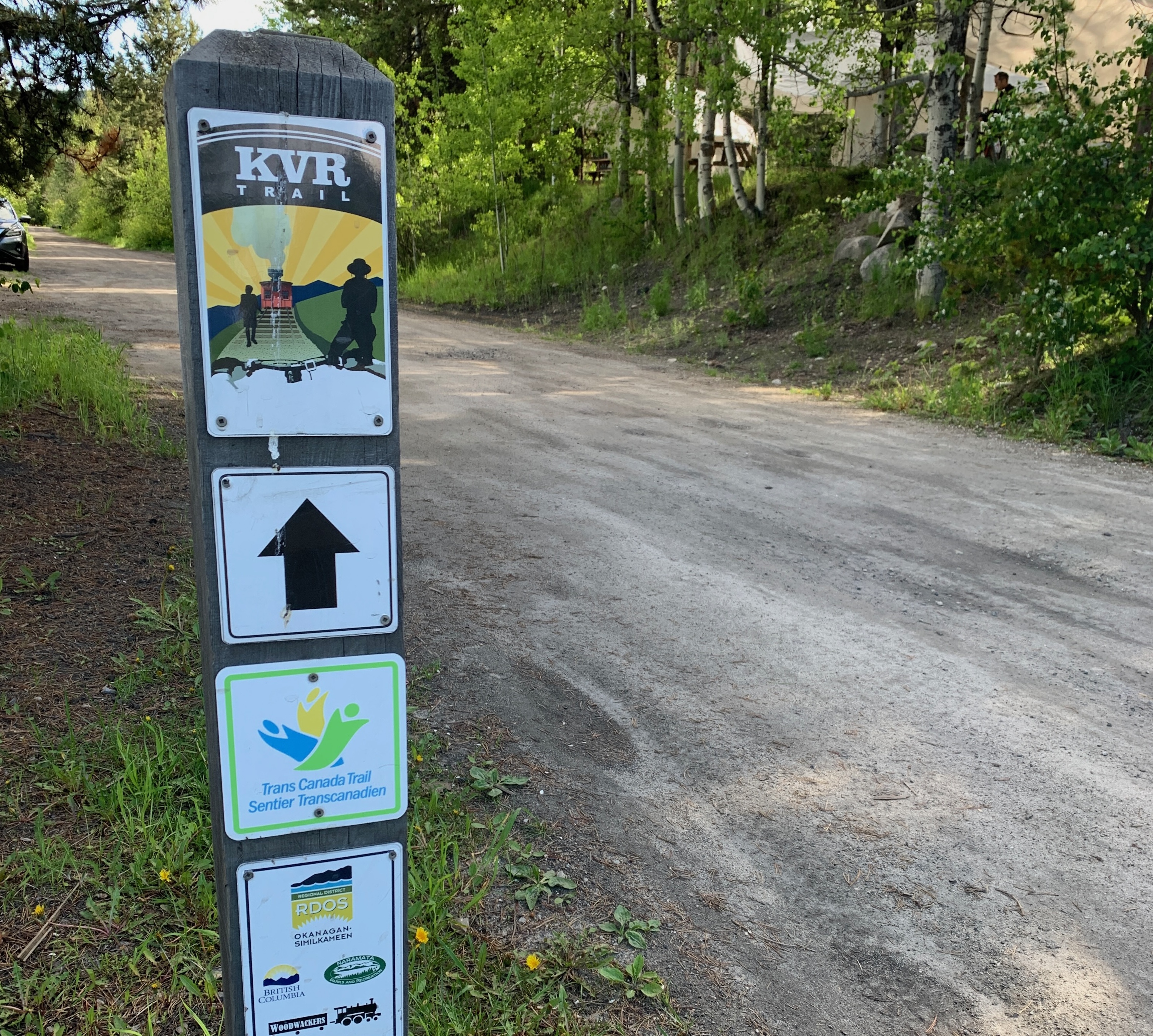
It got 26 million visits in BC last year, and you may have used it without even realizing it, but the once much-talked-about Trans Canada Trail is broken and may not be fixed.
The 29,500-kilometre trail, which links the Pacific Ocean to the Atlantic Ocean and the Arctic Ocean, officially became “connected” in 2017 after the idea was born in 1992 as part of the 125th anniversary of the Confederation of Canada.
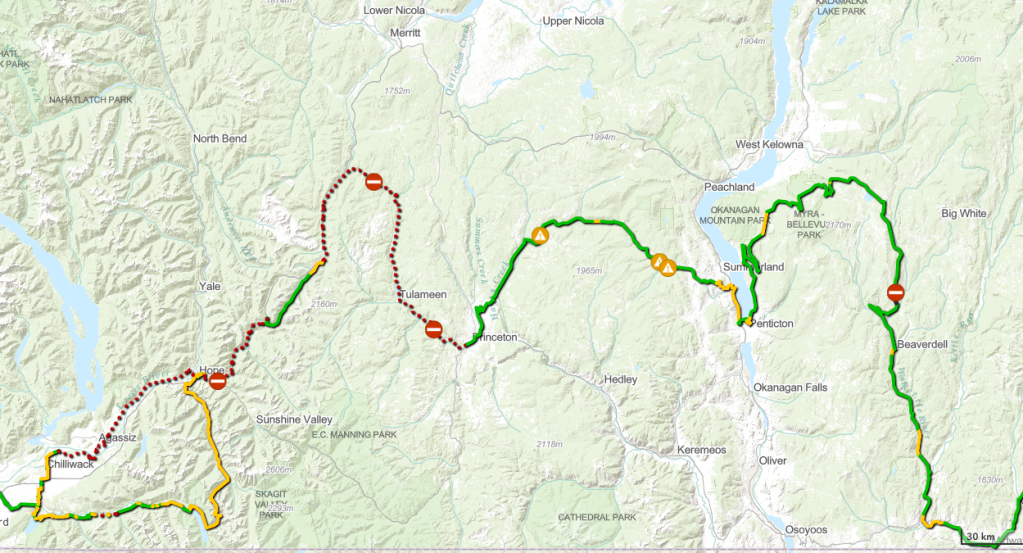
However, while it had become possible to hike and paddle across the whole country on the Trans Canada Trail, in 2021, heavy flooding and rain caused extensive damage to the Kettle Valley Rail Trail west of Princeton, forcing the closure of a 67-kilometre section of the trail.
The once continuous route hit a snag.
So what is the Trans Canada Trail?
The Trans Canada Trail is far from a continuous trail across the country, and “route” is probably a more apt word.
It links 650 existing trails, 6,900 kms of waterways, and has 10,000 kms where it interacts with roadways, as it crosses the country.
In the east, it starts at Cape Spear in Newfoundland and Labrador and extends west to Victoria. Two alternative routes also head north through either Alberta or BC and lead to Tuktoyaktuk on the shores of the Arctic Ocean in the Northwest Territories.
It’s not possible to hike the entire trail as there’s plenty of water involved. Traversing much of western Ontario means paddling along the shores of Lake Superior.
The Trans Canada Trail enters BC in the East Kootenay as part of the Elk Valley Trail. It then heads southwest to Midway, where it joins the Kettle Valley Rail Trail.
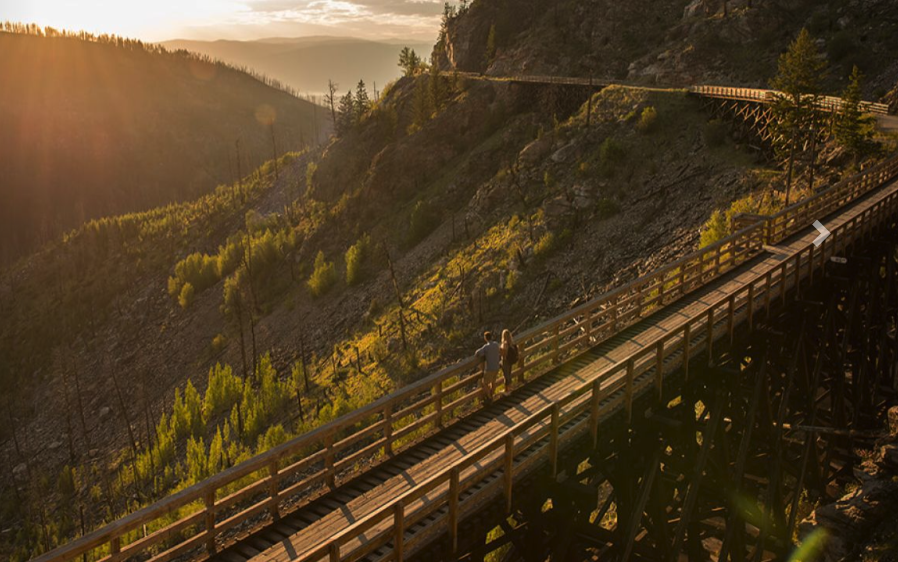
The trail heads into the Okanagan, passing through the hugely popular Myra Canyon trestles. In total, about 3,800 kms of the Trans Canada Trail is in BC.
According to the Trans Canada Trail, there were 26-million visits to the trails in BC last year and 200 million across the country.
But while the Trans Canada Trail had become fully “connected” – the organization doesn’t use the word “complete.” The costs of repairing the damage caused to the Kettle Valley Rail Trail west of Princeton have left it unconnected.
In February, the province announced it would be decommissioning the 67 km stretch between Princeton and the Coquihalla.
“Often crossing remote and rugged terrain, repairing and maintaining the aging infrastructure along the Province’s network of rail trails is complex and costly,” a media release from the province read.
The province put the cost of fixing it at $60-million, compared to decommissioning at $20-million.
The move raised the ire of locals in the area who launched a Save the KVR petition, arguing their trail was a valuable asset.
And local politicians appear to be on board
The Regional District of the Okanagan-Similkameen is now looking at trying to save parts of the Kettle Valley Railway west of Princeton.
At a regional district meeting last month, the board of directors said it would support retaining four sections of the Kettle Valley Railway, but wouldn’t be requesting funding until next year.
The Ministry of Environment and Parks told iNFOnews.ca it was working with the regional district to explore certain repairs of the damaged section of the trail.
“We received a list of high-priority sections for repair from the Regional District of the Okanagan-Similkameen and are currently working with engineers to estimate costs,” the Ministry said.
Eligibility for federal disaster financial assistance is also being looked at.
“Decisions regarding decommissioning versus repair are anticipated to be made later this spring,” the Ministry said.
For the time being, anyone heading west from Princeton on the Trans Canada Trail can take a detour along a paved road.
News from © iNFOnews.ca, . All rights reserved.
This material may not be published, broadcast, rewritten or redistributed.

This site is protected by reCAPTCHA and the Google Privacy Policy and Terms of Service apply.
Want to share your thoughts, add context, or connect with others in your community?
You must be logged in to post a comment.