Elevate your local knowledge
Sign up for the iNFOnews newsletter today!
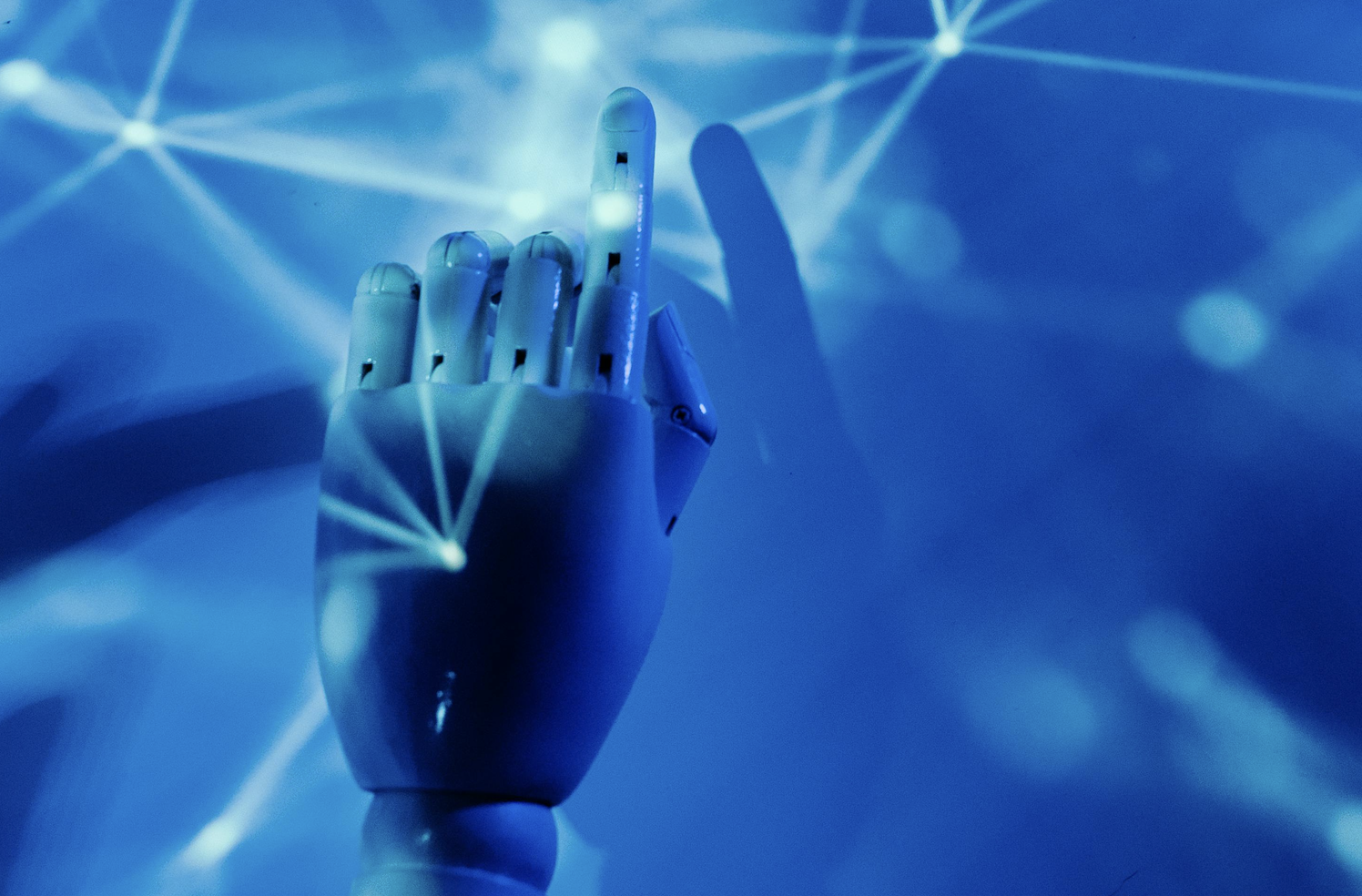
People throw the term artificial intelligence around – AI for short – like a household word. But while pretty much all of us have heard it – even peppered it in our conversations – most of us can’t really say exactly what AI is…or exactly what it even does.
But that doesn’t stop the investment to make it a reality…spending that has raged like a wildfire for nearly a decade. Last year, the United States invested more in artificial intelligence than it did building single-family homes.
That’s significant because the U.S. cost of living is in crisis…largely due to President Trump’s foolhardy tariffs…and more foolhardy attack of Iran that started a war that lost control of the Strait of Hormuz. All this at a time when Americans are experiencing a housing shortfall of more than 10 million homes.
The U.S. has built ten times the number of data centers as Germany…the next largest builder…and has outspent China – the next biggest spender – by more than 20-fold. Pretty big numbers when the average American can’t tell you much about what they’re getting…or might get…from AI.
What Americans can tell you – quite blindly it seems – is they don’t like it. More than 50 percent of Americans claim they’re “more concerned than excited” about what AI holds in store for them. Only 10 percent said they are “excited” about AI.
Your first encounter with AI is likely an AI chatbot. Call X Company about a problem you’re having with their product…and you probably will be “talking” with an inanimate object.
If you’re really upset about the situation, some AI chatbots can sense your emotions, and respond with empathy. Sorry, but I don’t like it when human customer service agents are insincere about my feelings…I sure as hell don’t want to be patronized by an AI chatbot.
A general attitude of “not in my town” prevails all across America…citizens don’t want energy-sucking data centers in their neighbourhoods almost as much as they don’t want immigration prisons and toxic waste dumps.
Why? Once built, data centers have little impact on local employment. Also, data centers are drains on local infrastructure like few other industries; they use enormous amounts of electrical power to run generators…and millions of gallons of water just to cool them.
By the way, there’s no record anywhere in the U.S. that any industry ever lowered utility bills for consumers by using more electricity or water. And even though data centers in Northern Virginia would fund 40 percent of Loudon County’s budget…people there don’t want them in their area.
Canada is investing in what it calls “sovereign AI”…hoping to rely less on U.S. AI…probably a good plan based on the erratic behaviour of President Trump and Republicans.
Canada is looking to build data centers in areas where infrastructure exists more plentifully…British Columbia, Alberta and Quebec. BC plans to re-use water both before and after cooling generators to ensure high levels of environmental responsibility.
There seems to be a lot less angst about AI in Europe, China and Canada. Americans have a level of distrust that stems from a fear that AI could become so all-powerful that nothing could be done to reign in a runaway AI industry making decisions counter to humanity.
Fear of the unknown plagues AI’s advancement in the eyes of the American public. People don’t trust politicians or the Billionaires leading the AI charge. Folks are afraid of losing jobs; fear the loss of human critical thinking skills; see examples of deceptive AI on social media and fear that’s just the tip of the iceberg.
Anecdotally, you could develop long lists for the good and bad that AI might do. We seem to be at a point not unlike the dawn of Atomic power…with equal feelings that we could save…or destroy humanity. There you have it…maybe the scariest part of AI.
Americans fear that the rules or regulations are not developing as fast as the technology. The American public no longer puts a lot of faith in folks who simply say, “Trust me!”
If there is a weakness about Capitalism…it is this fear – so ingrained it might be incapable of change – that people will do anything for money and power. AI isn’t the first technology or innovation to potentially violate the public trust.
AI is coming…hard and fast…and good and bad, and there’s little evidence that we’re ready for it.
News from © iNFOnews.ca, . All rights reserved.
This material may not be published, broadcast, rewritten or redistributed.

This site is protected by reCAPTCHA and the Google Privacy Policy and Terms of Service apply.
Want to share your thoughts, add context, or connect with others in your community?
You must be logged in to post a comment.