Elevate your local knowledge
Sign up for the iNFOnews newsletter today!
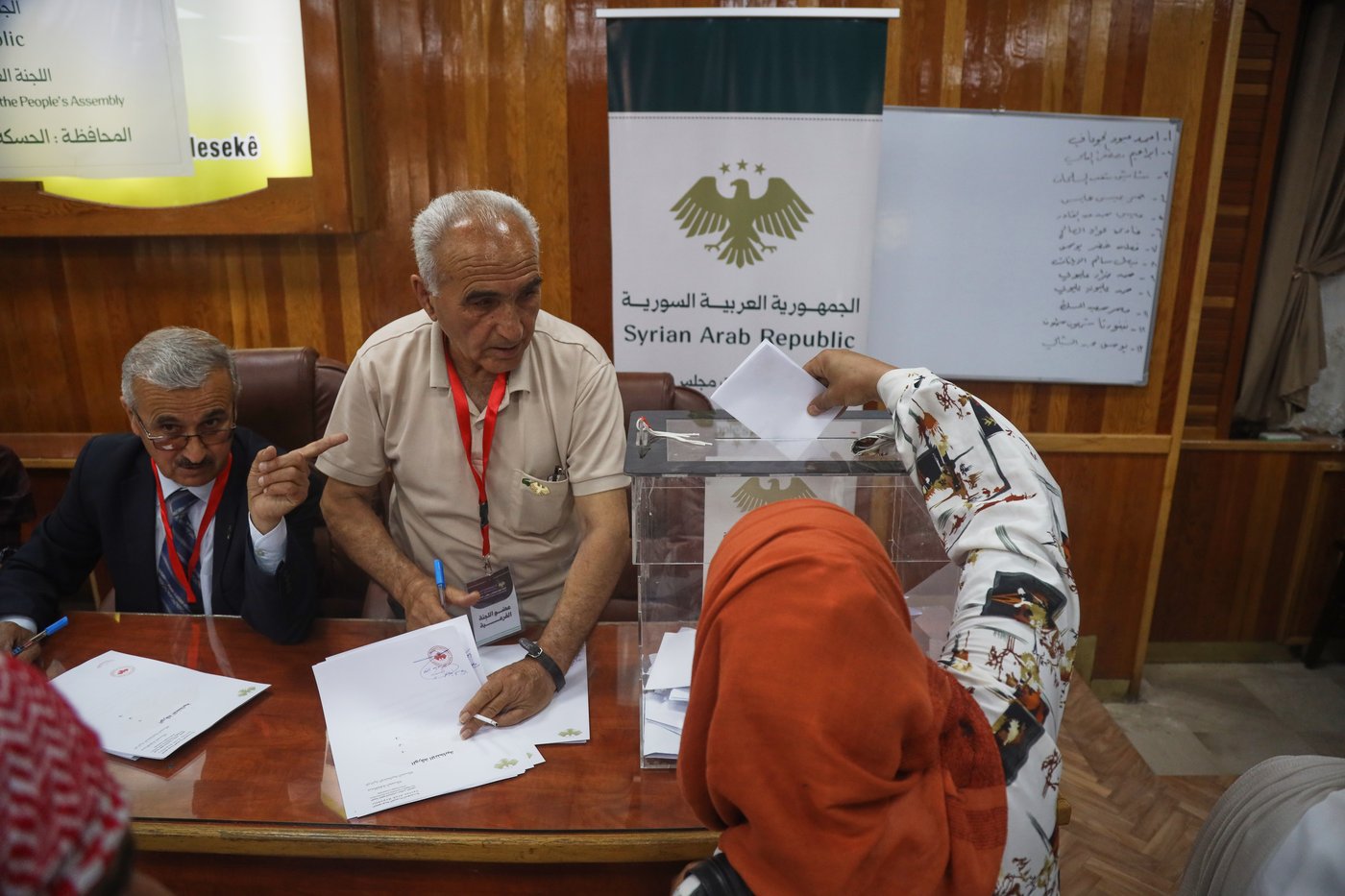
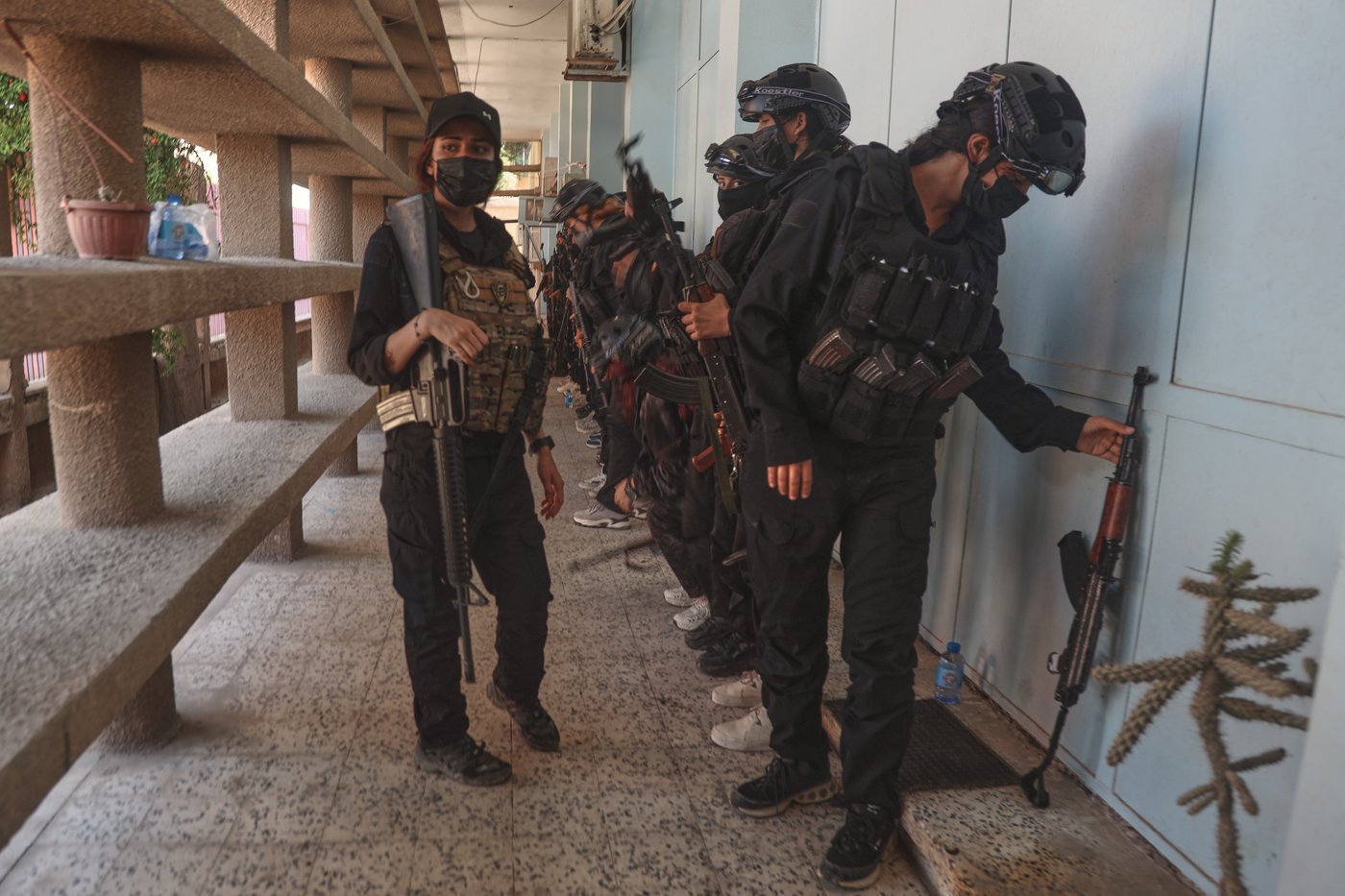
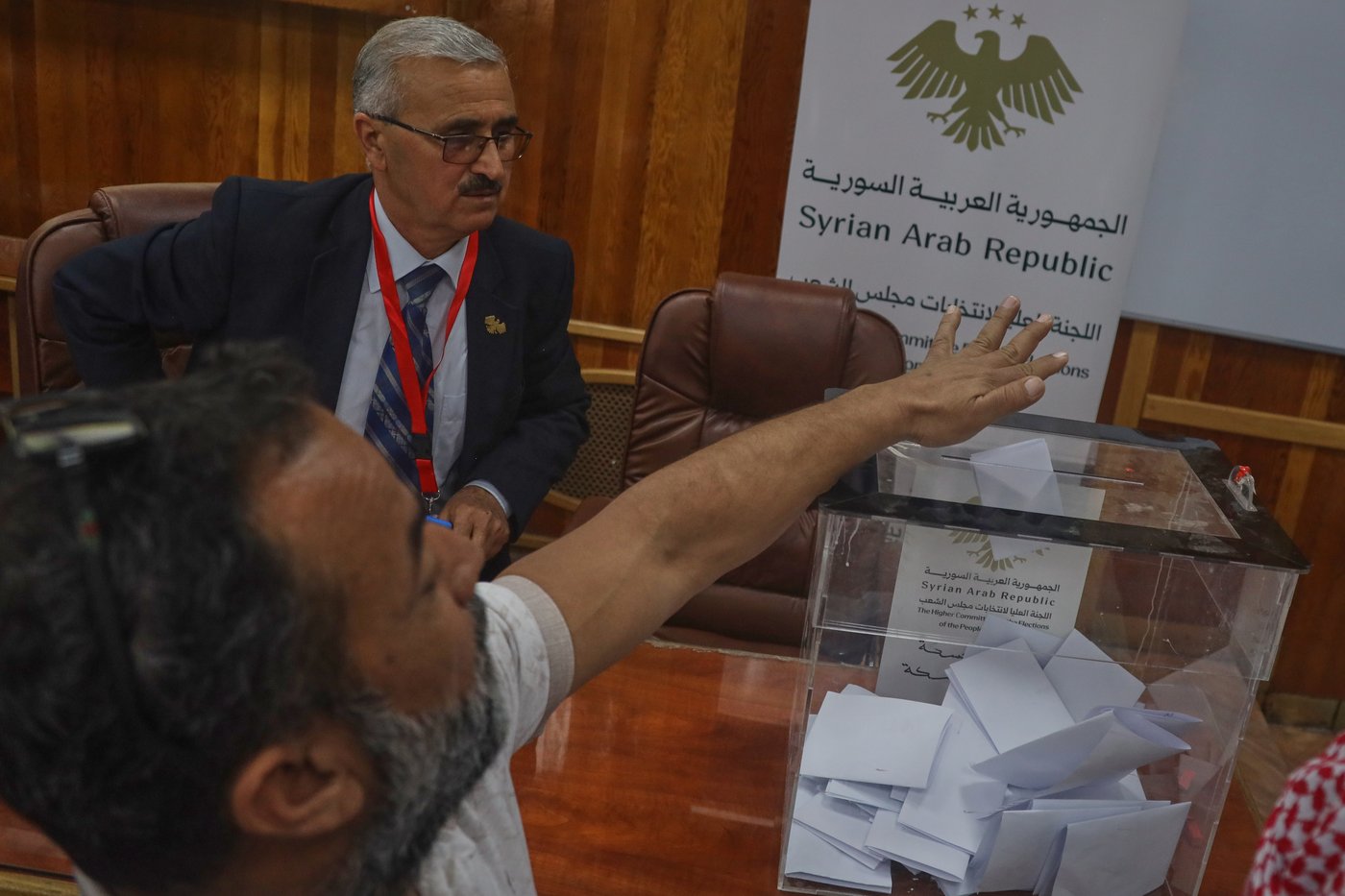
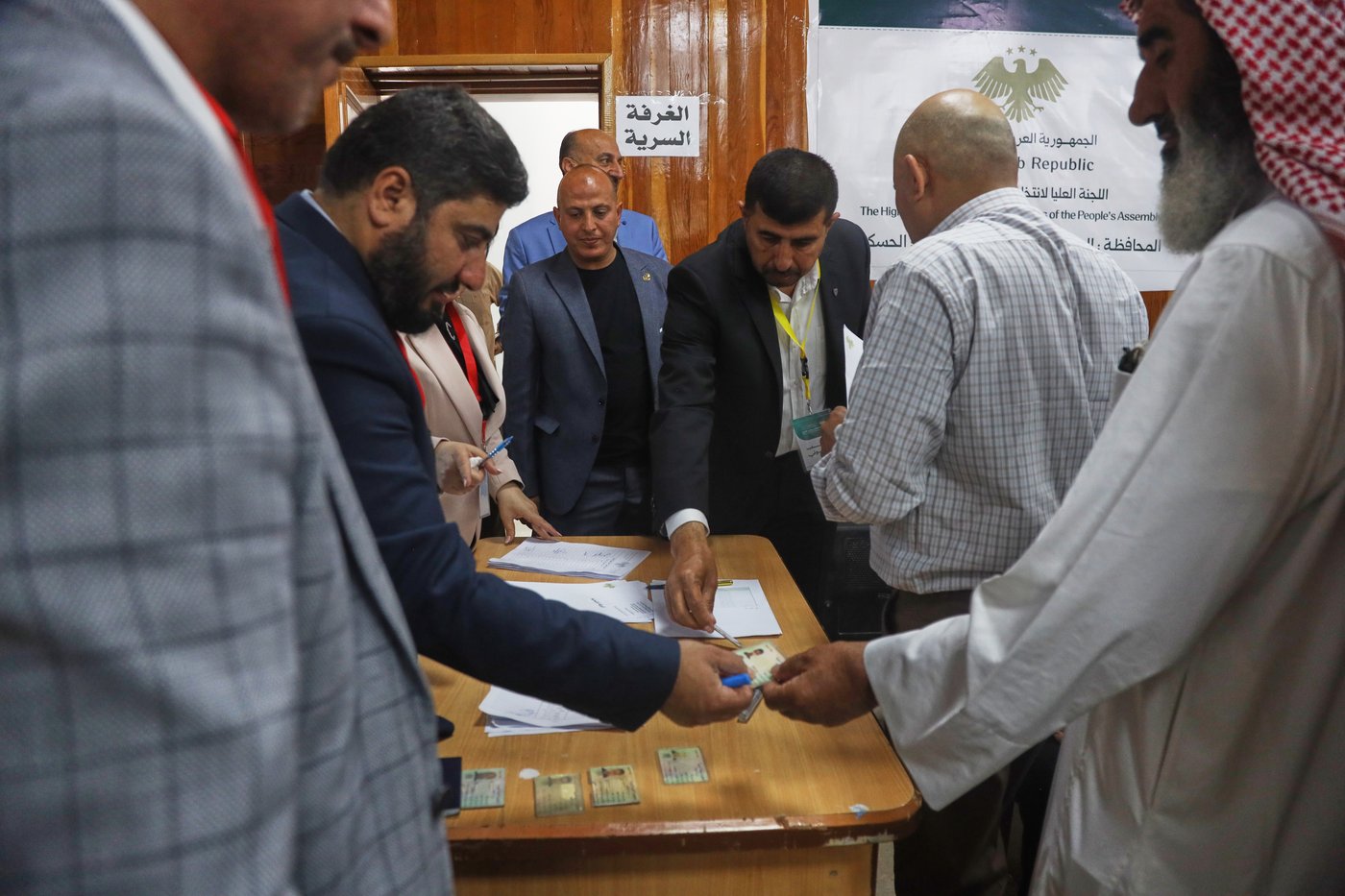
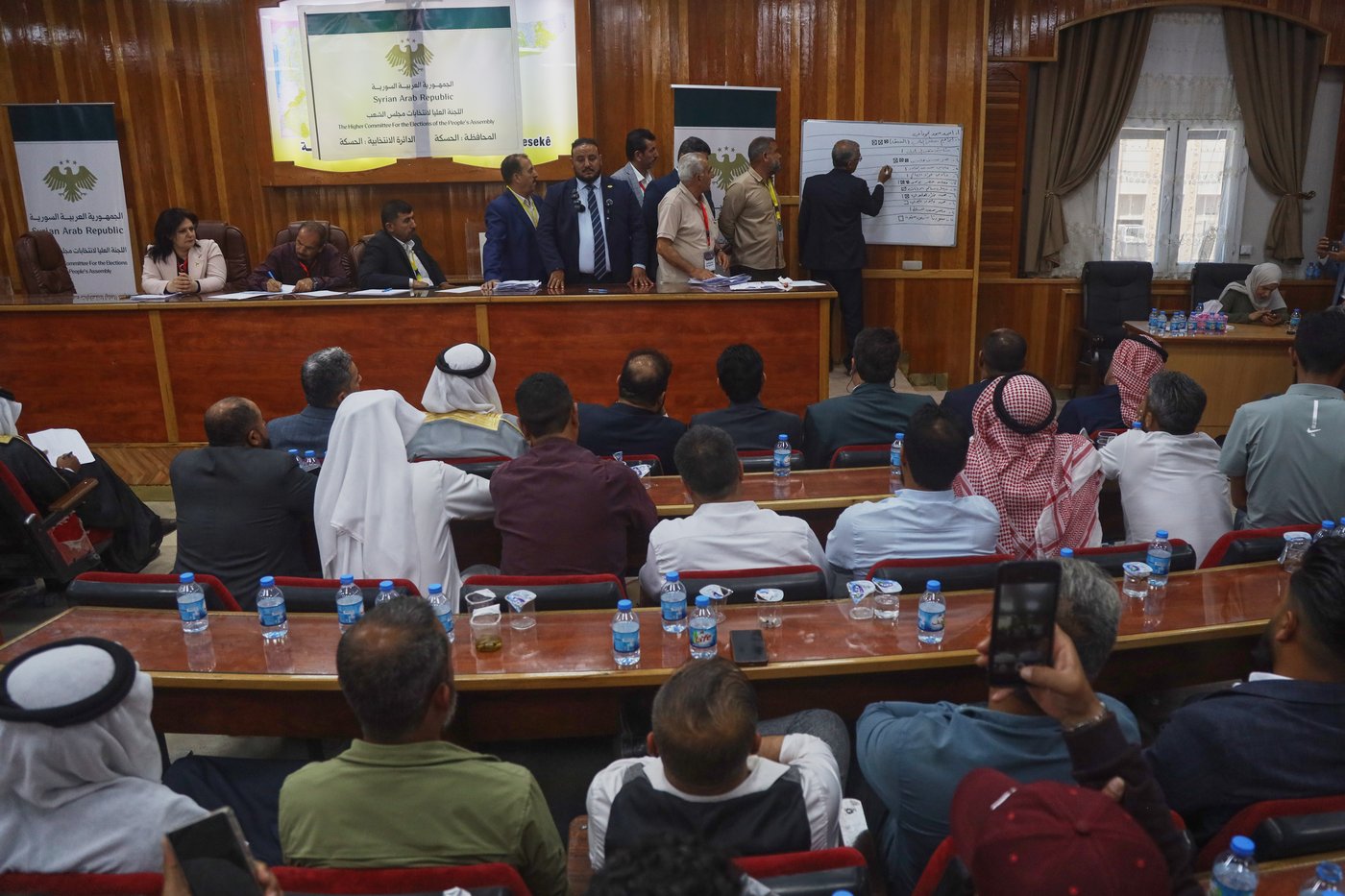
HASSAKEH, Syria (AP) — Syria held follow-up parliamentary elections on Sunday in the Kurdish-majority northeastern province of Hassakeh and the town of Kobani, areas that were reintegrated under government control after fighting in January.
Other parts of Syria voted for the People’s Assembly last October, almost a year after the Assad dynasty was ousted in a rebel offensive. However, at that point, large swaths of country’s northeastern region were still under the control of the Kurdish-led Syrian Democratic Forces, notably Hassakeh and Kobani.
The country is still reeling from the devastating impact of its uprising-turned-civil war from 2011 until 2024, as skepticism remains among large segments of its minorities now living under Islamist rule, while millions of Syrians live in poverty.
In January, a government offensive against Kurdish fighters reintegrated that part of the country with Damascus, under interim President Ahmad al-Sharaa’s Islamist-led authorities.
The vote Sunday is for the remaining 11 seats in Syria’s first parliament after the ouster of former President Bashar Assad. Nine of the seats represent Hassakeh and the other two Kobani in Aleppo province.
While parliamentary elections under Assad were not competitive and were ultimately an internal competition between members of the ruling Baath Party, the new model under al-Sharaa is not a fully democratic process either. Most seats in parliament are voted by electoral colleges in each of Syria’s districts, with al-Sharaa directly appointing the remaining one-third of legislators.
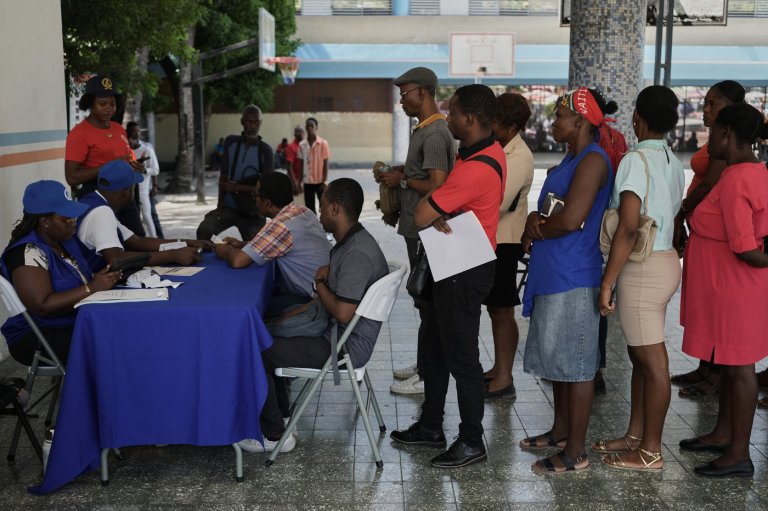
Voters, however, appeared satisfied with the process as a step in Syria’s transition after years of conflict and dictatorship.
“We want representatives who will amplify the voices of people the Hassakeh,” Mukhalaf al-Hatthal, one of the voters in Qamishli, told The Associated Press. He said the biggest concerns are related to infrastructure, agriculture and maintaining peace. “There is a great democratic atmosphere here.”
But Masoud al-Majeed, another member of the electoral college, said he hoped that the voting process will change, adding the current one does not represent everyone.
—
Chehayeb reported from Beirut.
News from © The Associated Press, . All rights reserved.
This material may not be published, broadcast, rewritten or redistributed.

This site is protected by reCAPTCHA and the Google Privacy Policy and Terms of Service apply.
Want to share your thoughts, add context, or connect with others in your community?
You must be logged in to post a comment.