Elevate your local knowledge
Sign up for the iNFOnews newsletter today!

TORONTO — The stage is set for Toronto’s turn as FIFA World Cup host, and some government officials and advocates worry that the major sporting event will also spark intensified gambling advertising — and the public health problems that can follow.
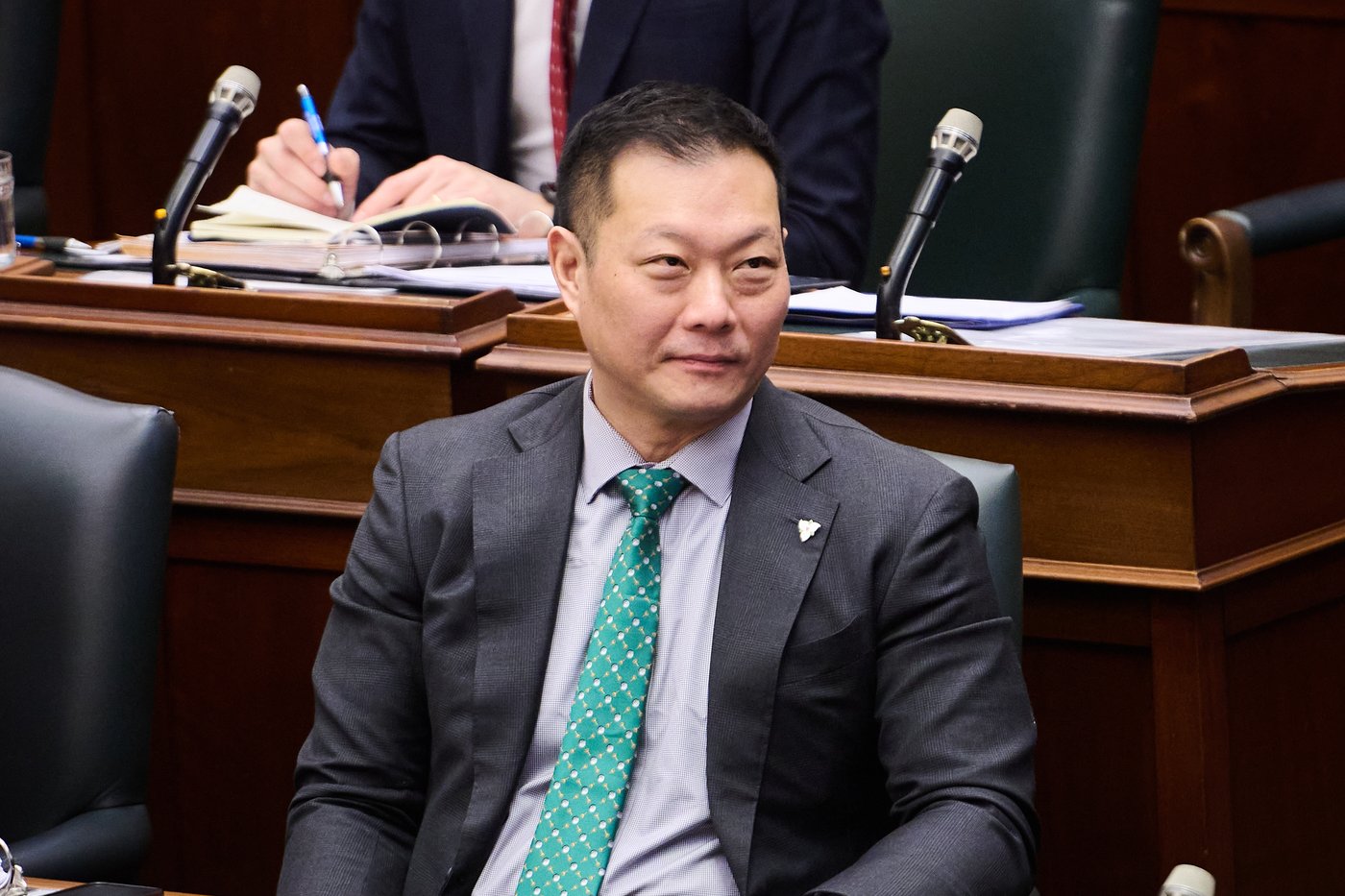
Stan Cho, Ontario’s minister of tourism, culture and gaming, is looking at further restrictions on gambling advertising in the province and is concerned in particular about the global soccer tournament.
“Any time there’s a big sporting event, you see the spike in just gambling in sheer numbers,” he said recently. “Of course that means that problem gamblers are going to be more susceptible to the problem that they have.”
The Responsible Gambling Council reserves ad spots during events like the World Cup, Cho said, but advocates who oppose gambling advertising want to see the first province to bring in a regulated online gambling market go much further.
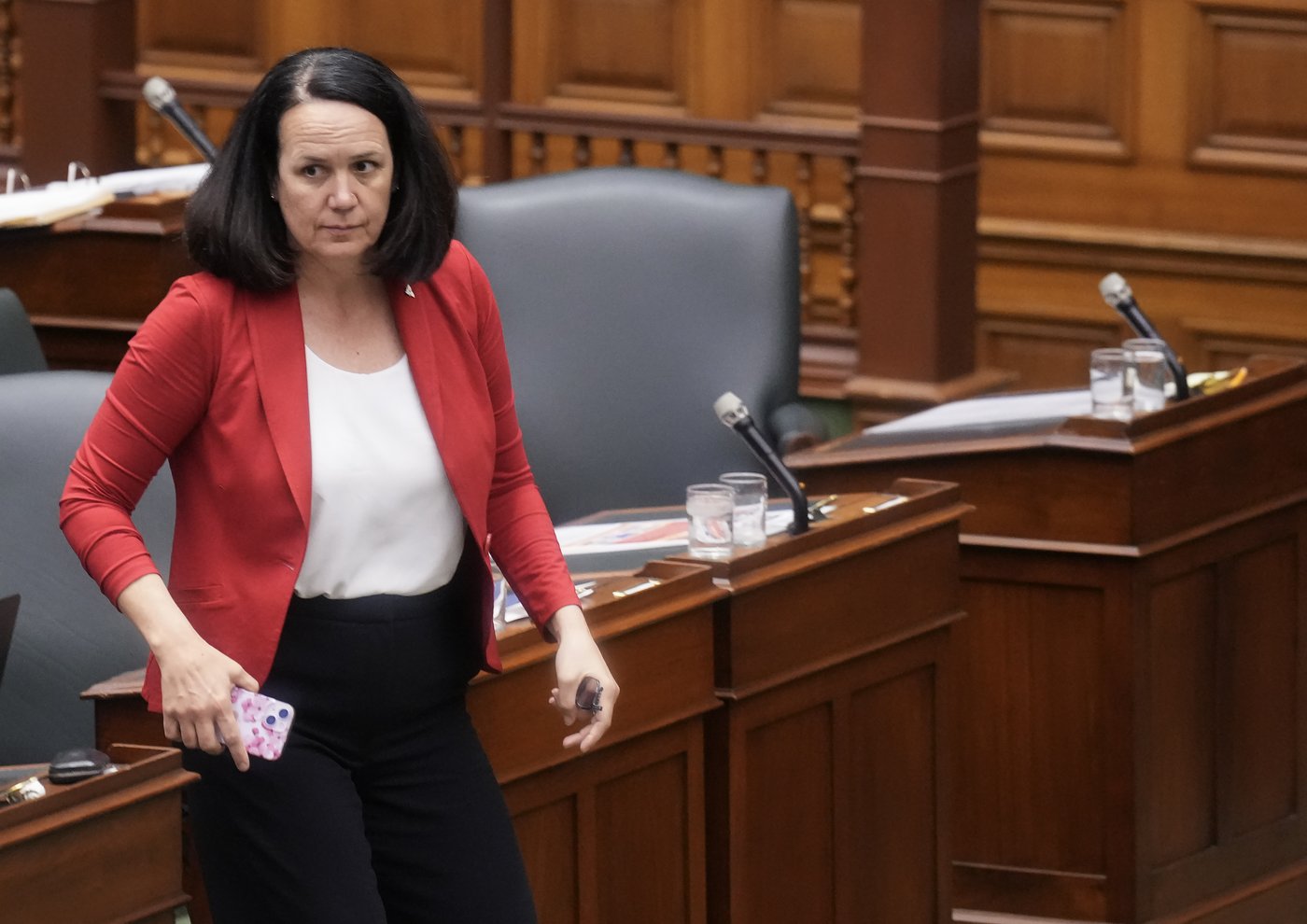
Lee Fairclough, a Liberal member of provincial parliament who is running for the party’s leadership, introduced a private member’s bill this year to ban online gambling advertising.
“Since Doug Ford opened Ontario’s doors to private iGaming in 2022, our screens have been hijacked by a relentless cycle of ‘risk-free’ bets, bonus codes and celebrity endorsements,” she said earlier this year at a press conference announcing her bill.
“As the mom of two boys, I worry about the dangerous environment that these advertisements create.”
The rate of adolescent boys and men reaching out to ConnexOntario, a government-funded service connecting people to help for mental health, addiction and gambling problems, for gambling issues has skyrocketed since 2022, Fairclough noted.
She read out a letter in the legislature from someone who fell into a deep hole due to online gambling, at first sucked in by advertising they said was hard to ignore, then held there by promotions, free credits, and deposit matching.
“I was drowning financially, mentally and physically — and I couldn’t stop,” the person wrote.
“I attempted to take my own life more than once. I had completely lost control. And with it, I lost everything. Online gambling didn’t just take my money. It took my health. It took my peace of mind. It took the life I built.”
Bruce Kidd, former Olympic runner and professor emeritus of sport and public policy at the University of Toronto, now advocates with Ban Ads for Gambling and worries that the World Cup will be a magnet for gambling ads, which will lead to more problem gambling.
“We feared all along that the World Cup will just magnify many times over the volume and intensity and sophistication of ads,” he said.
Accountants are sounding the alarm too, with the Chartered Professional Accountants of Canada conducting a survey that found more than one in four respondents who gamble saying advertising influenced them to place a bet.
“You can’t hide from it; gambling ads are everywhere,” CPA Canada’s financial literacy leader Li Zhang wrote in a statement.
“Major global events like the FIFA World Cup only amplify the noise as gambling advertising and promotions surge. For those who haven’t yet dipped their feet in, my advice is simple: don’t start.”
The Progressive Conservatives voted Fairclough’s bill down, but Cho said that while he believes getting rid of advertising will not solve problem gambling, he is eyeing possible new restrictions.
“This is a growing problem,” he said. “The numbers show that there not only are more and more people gaming online, problem gambling, I believe, will continue to grow, and we’re going to take it head on.”
Cho said the issue is deeply personal one for him, having a family member affected by online gambling.
“It got really bad,” he said. “The pain that people are facing with this, I get it, right, because you don’t have to drive two hours to a casino anymore. You can gamble in the washroom, and you could gamble without your wife or your spouse knowing.”
Ontario established its regulated online gambling market in 2022 in order, it said, to move the sector from the grey market to one subject to standards and consumer protections. The Alcohol and Gaming Commission of Ontario says the majority of online gambling in the province now takes place on regulated sites.
That’s a good thing, said Canadian Gaming Association president and CEO Paul Burns, since it means most play is happening on platforms subject to strict rules and protections, and the industry takes its responsible gambling obligations seriously.
“The regulated industry has a great deal of rules and controls,” he said.
“We also know that there’s a lot of sites that aren’t licensed in Ontario that access through social media platforms and advertise that way, and we’re seeing great volumes of those. Any rule or regulation won’t touch that, and so when we look at any construct around advertising, we have to deal with the whole issue.”
A report on advertising prepared for the Canadian Gaming Association found that while spending countrywide on online gambling ads — including sports betting and excluding lotteries — rose sharply in 2022, it has since decreased a bit and makes up five per cent of total ad spending on TV.
Burns said people’s perception does not necessarily reflect any sort of decrease.
“Do people feel that way?” he said. “No, probably not. I know that.”
But harms persist, say some advocates.
A report last year from the Canadian Centre on Substance Use and Addiction found that compared to people who only played the lottery, people who gambled online were more than 45 times more likely to meet the criteria for problem gambling.
The Canadian Psychological Association has called on the federal government to ban gambling advertising, likening it to restrictions on the marketing of smoking, cannabis, and alcohol.
Current restrictions on gambling advertising include not targeting underage or high-risk players, banning the use of active or retired athletes except to promote responsible gambling, and banning the use of celebrities or social media influencers likely to appeal to minors.
The gaming association brought in an advertising code of conduct this year that includes the need to be accurately represent the odds of winning, avoiding depictions of irresponsible gambling, and not using imperative language such as urging people to play immediately or miss a chance of winning big.
A federal bill that would require the government to create a national framework on sports betting advertising is before the House of Commons. Elsewhere, other jurisdictions have looked to tighten gambling ad rules, including Australia, where the government has announced such ads will be banned in sports venues, banned on radio during school drop-off and pickup times, and limited on TV between 6 a.m. and 8:30 p.m.
This report by The Canadian Press was first published June 11, 2026.
News from © The Canadian Press, . All rights reserved.
This material may not be published, broadcast, rewritten or redistributed.

This site is protected by reCAPTCHA and the Google Privacy Policy and Terms of Service apply.
Want to share your thoughts, add context, or connect with others in your community?
You must be logged in to post a comment.