Elevate your local knowledge
Sign up for the iNFOnews newsletter today!
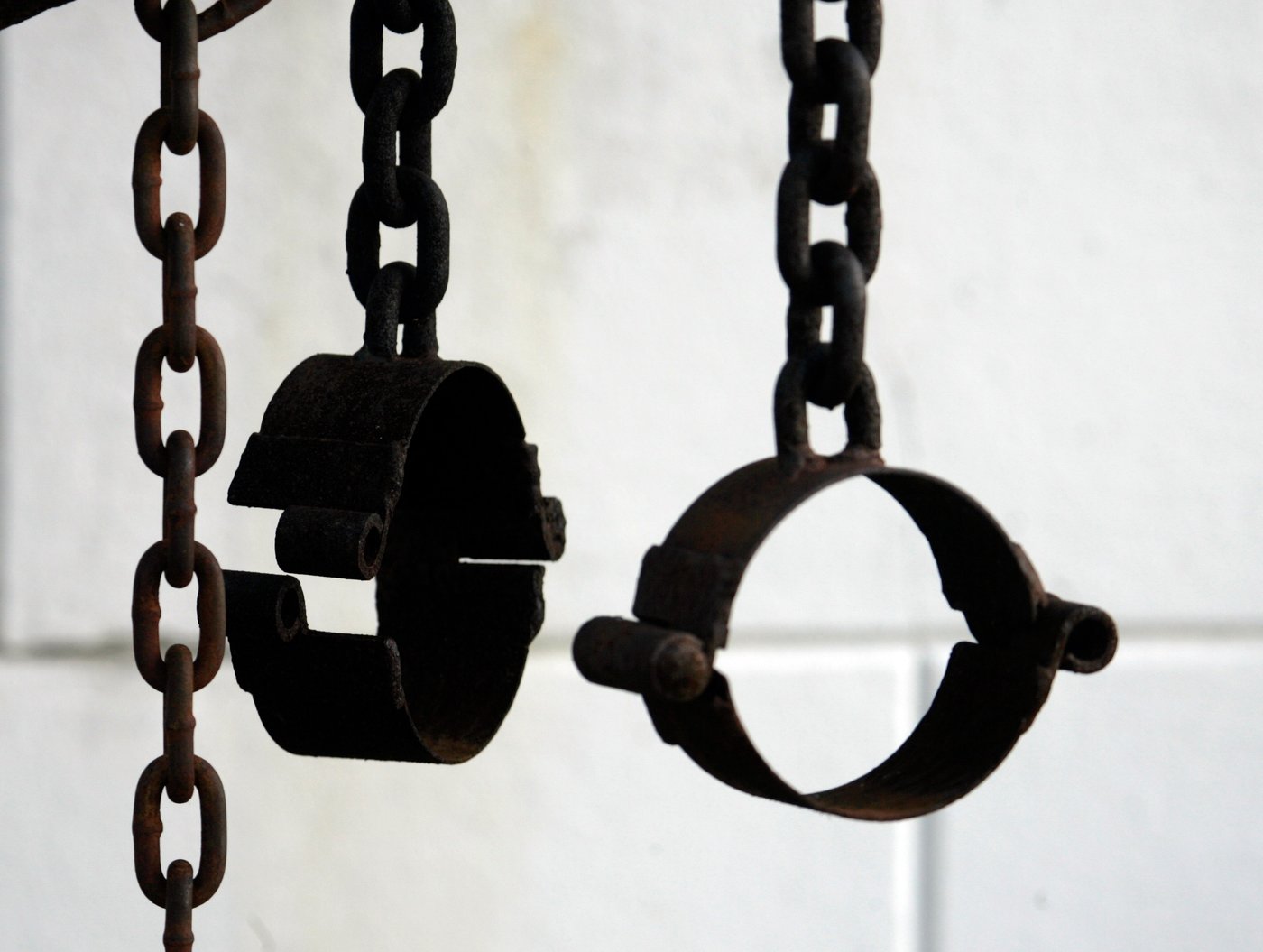
PHOENIX (AP) — Of the many cruel aspects of slavery, the shackles used to restrain and dehumanize over 12 million Africans across three centuries may be the most visceral tangible reminder.
At the Roots 101 Museum in Louisville, Kentucky, shackles made 400 years ago in Ghana are among the many relics of the African American experience on display. They were donated by a collector and activist. But Lamont Collins, who founded the museum in 2020, doesn’t just show them. He puts them on the wrists of willing visitors.
“It’s such a deep learning tool,” Collins says. “No matter how we hear people tell stories, how people try to change the story, the reality of the stories is in those shackles. Nobody can deny the reality of what you feel in those shackles.”
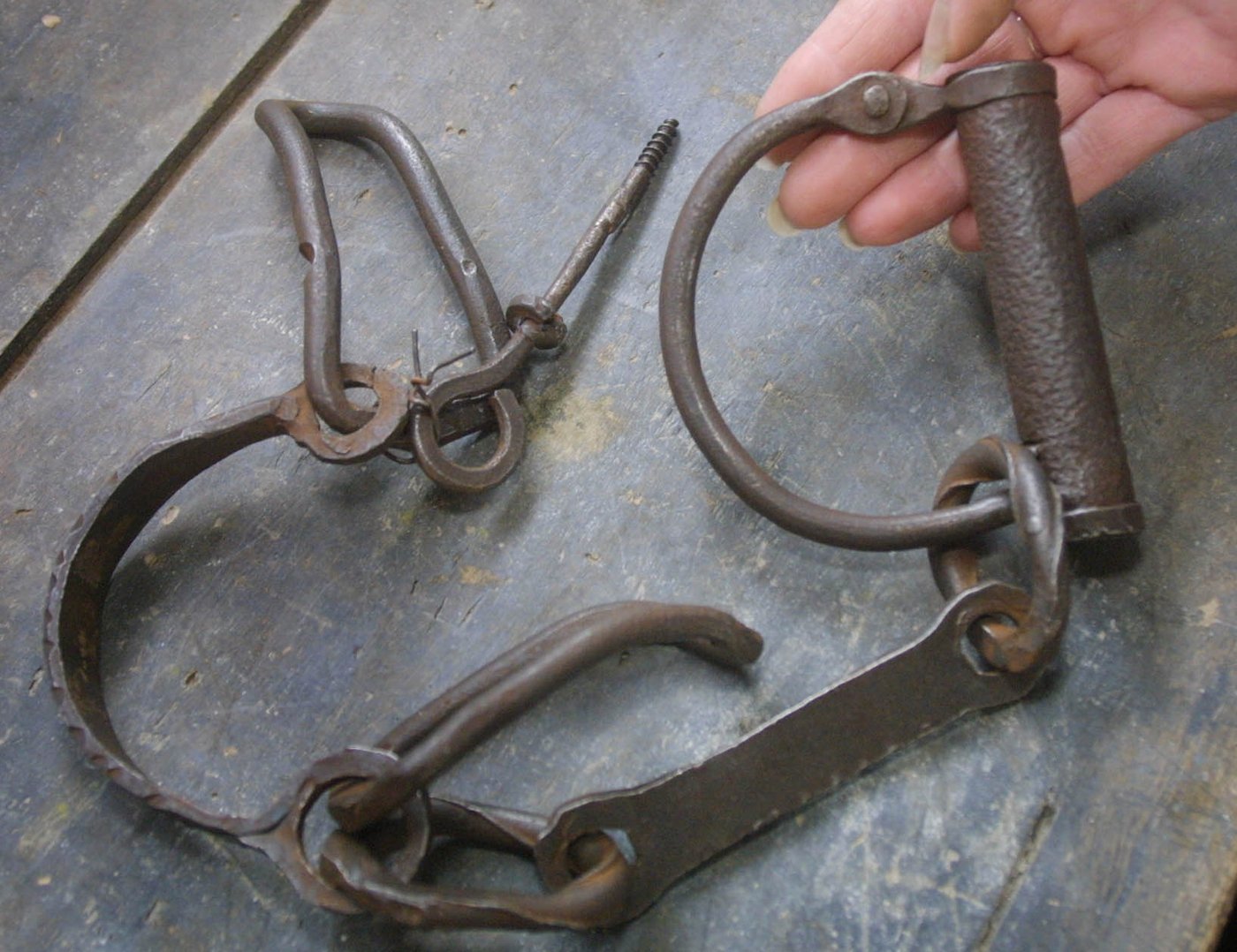
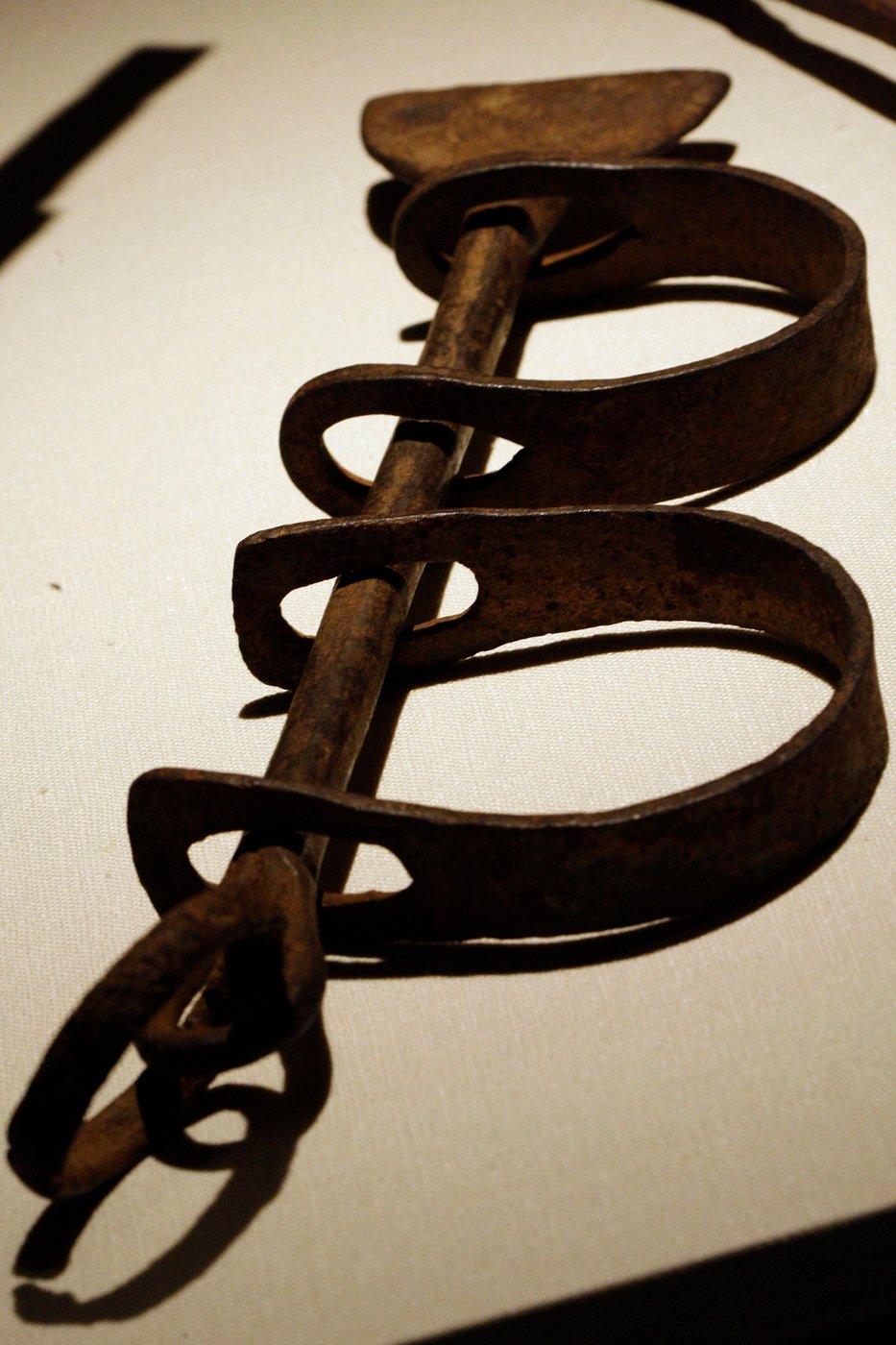
For European and American slave traders, iron shackles were seen simply as tools that helped run the transatlantic slave trade. Shackles were made for wrists, ankles, waist and the neck. They were even made in children’s sizes. They were forced on kidnapped and sold Africans who were brutally crammed into ships as well as in slave markets in the Deep South. Seeing a coffle of enslaved people chained together in a line was commonplace.
Shackles reinforced to those enslaved that they could not even so much as dream of freedom. They were a punishment and a deterrent. A collar shackle even had bells or spiked ends to help slave catchers track runaways.

Last year, video of Collins placing shackles on a white woman’s wrists at the museum gained attention on social media. He thinks it’s because people want to talk about history through a racial lens as others continue to resist it.
“What I realized is sometimes that a lot of people think they want to know the story. But they want to know the story in their boundaries,” Collins says.
White men and women have cried after trying the shackles. Some decline just as Collins is about to cinch them on their wrists.
“I would say to them ‘Why I can’t put these on you for two seconds and we had them on for 200 years,” he says. “It starts a conversation.”
___ This story is part of a recurring series, “ American Objects,” marking the 250th anniversary of the United States. For more stories on the anniversary, click here.
News from © The Associated Press, . All rights reserved.
This material may not be published, broadcast, rewritten or redistributed.

This site is protected by reCAPTCHA and the Google Privacy Policy and Terms of Service apply.
Want to share your thoughts, add context, or connect with others in your community?
You must be logged in to post a comment.