Elevate your local knowledge
Sign up for the iNFOnews newsletter today!
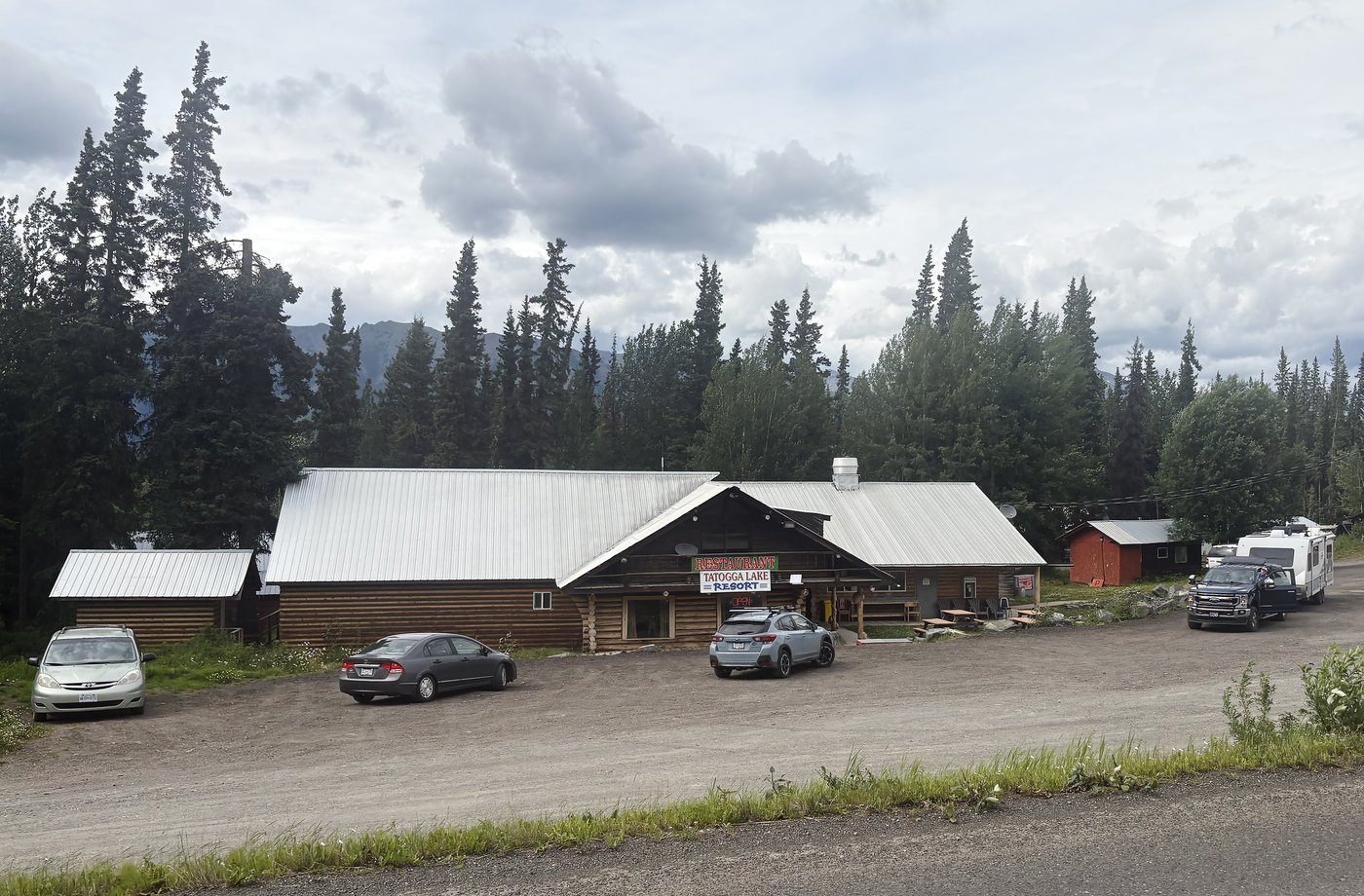
VANCOUVER — The operator of the Red Chris gold and copper mine in northwestern B.C. says it is applying safety lessons learned from a collapse last year that trapped three workers to a planned expansion of underground operations.
The British Columbia government has announced a key regulatory approval for the mine’s expansion, allowing for the use of block-caving, an underground mining method at the facility that’s already operating as an open-pit mine.
John Mullally, head of external relations and social performance at Newmont Corp., says the company has completed its investigation into the collapses and has shared its findings “with industry.”
Mullally says findings in the report could help make the operation safer as it expands, while Newmont committed in the report to make a series of corrective actions to prevent a similar accident.
Two collapses at the mine last July trapped three workers, forcing them to take shelter in a refuge station before they were rescued more than two days later.
The workers were trapped while performing exploratory drilling at the Red Chris mine to support the facility’s planned transition to block-cave underground mining.
The investigation posted on Newmont’s website found rock mass deterioration over a four-year period increased the loads placed on the ground support system, and that the mine’s previous operator didn’t use industry leading standards on its rock mass classification system.
The oversight by the previous operator, Newmont says, led to overestimation of ground quality.
“The investigation confirms that we can safely build and operate the Block Cave Project by reassessing the installed ground support, updating standards, and addressing the conditions that led to the fall of ground incident,” the report says.
Premier David Eby says the province is conducting its own review of the accident, and the plan is to take any applicable lessons learned from the case and apply them “at every mine in the province.”
“We have a shared goal with steelworkers, mine workers, with industry in the province, including Newmont, to have the safest mining sector in the world,” Eby says. “That’s our goal.”
B.C. Mining Minister Jagrup Brar says the provincial investigation is ongoing, and their findings will made public “once we have all the reports in hand.”
This report by The Canadian Press was first published June 19, 2026.
News from © The Canadian Press, . All rights reserved.
This material may not be published, broadcast, rewritten or redistributed.

This site is protected by reCAPTCHA and the Google Privacy Policy and Terms of Service apply.
Want to share your thoughts, add context, or connect with others in your community?
You must be logged in to post a comment.