Elevate your local knowledge
Sign up for the iNFOnews newsletter today!
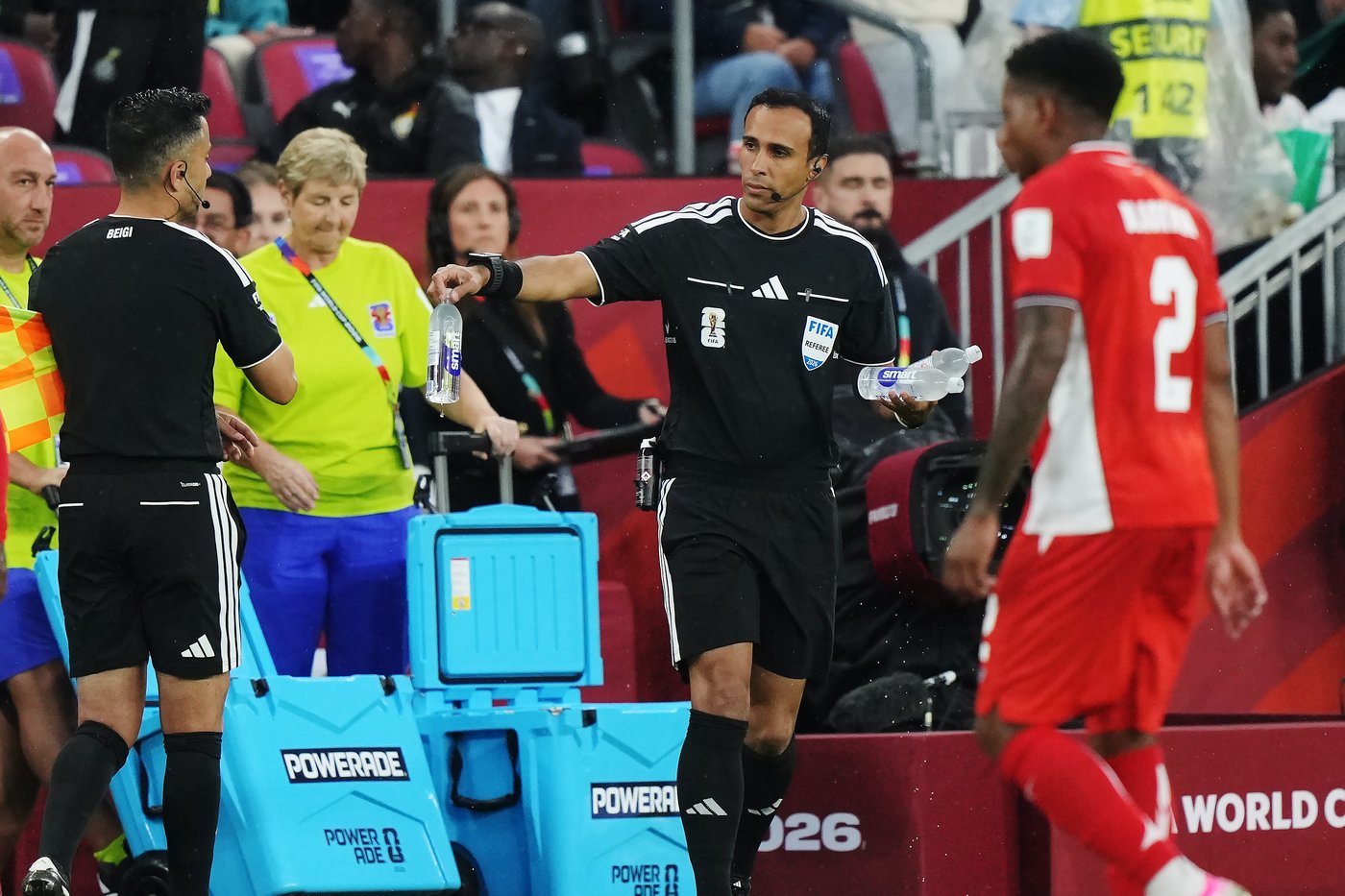
TORONTO — Normally a thundering wave of boos at a sporting event would be directed at an opposing player, team, official or a questionable play.
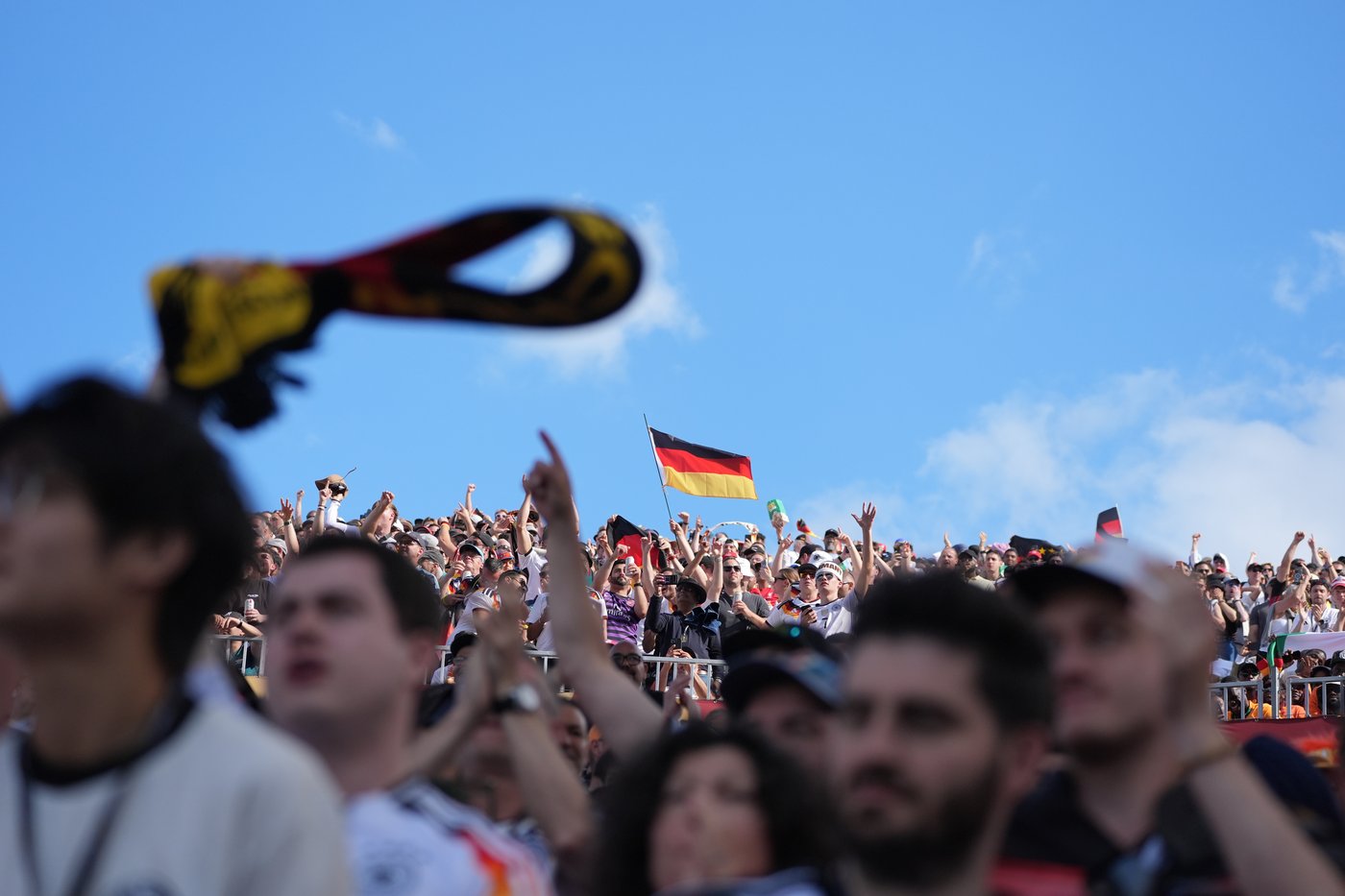
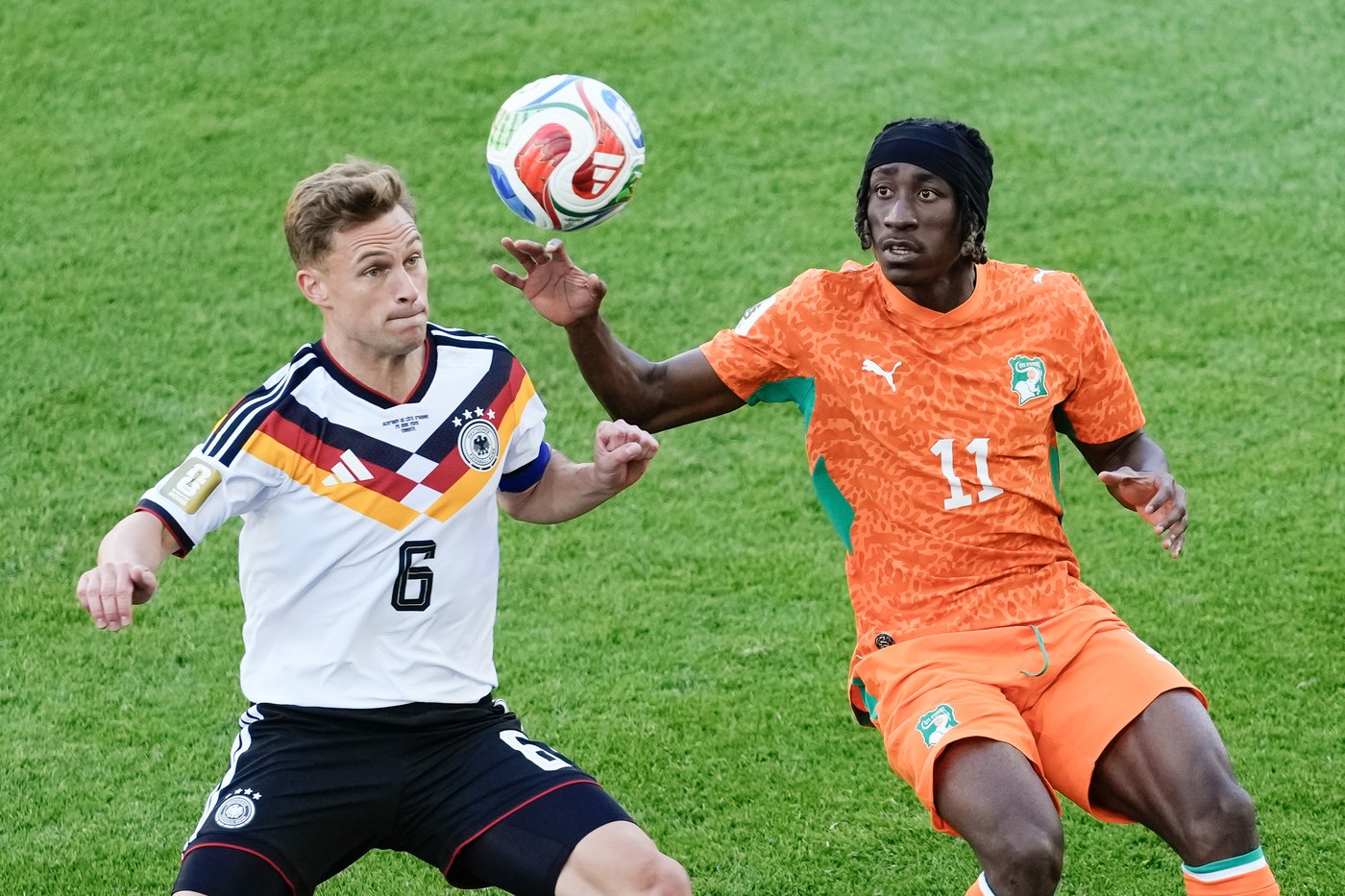
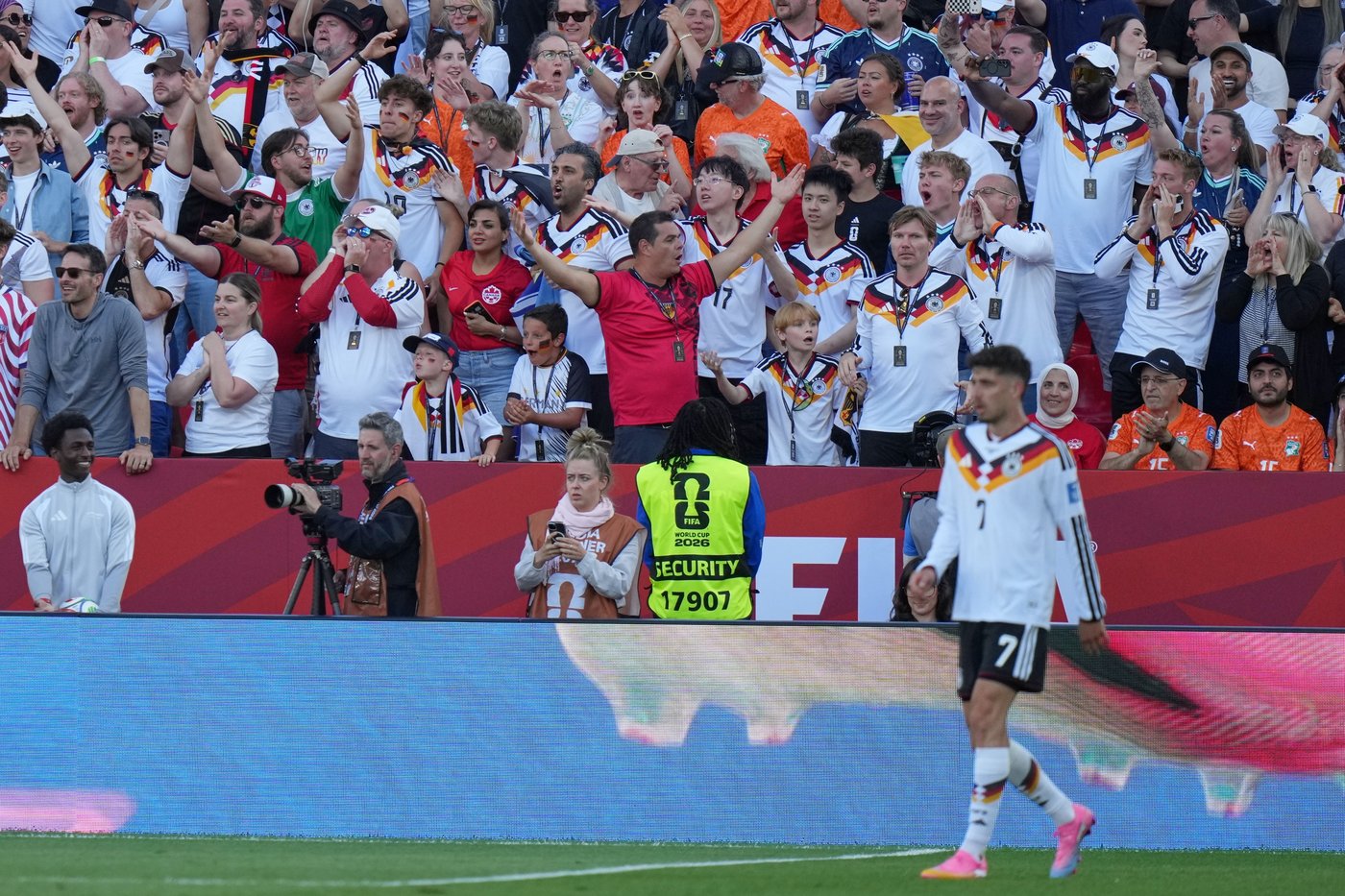
When vitriolic jeering rained down from the sellout crowd at a Germany-Ivory Coast game last weekend at Toronto Stadium, the target was the unpopular hydration break that’s making its FIFA World Cup debut this year.
And break sponsor Powerade — a sports drink owned by Coca-Cola — was directly in the firing line.
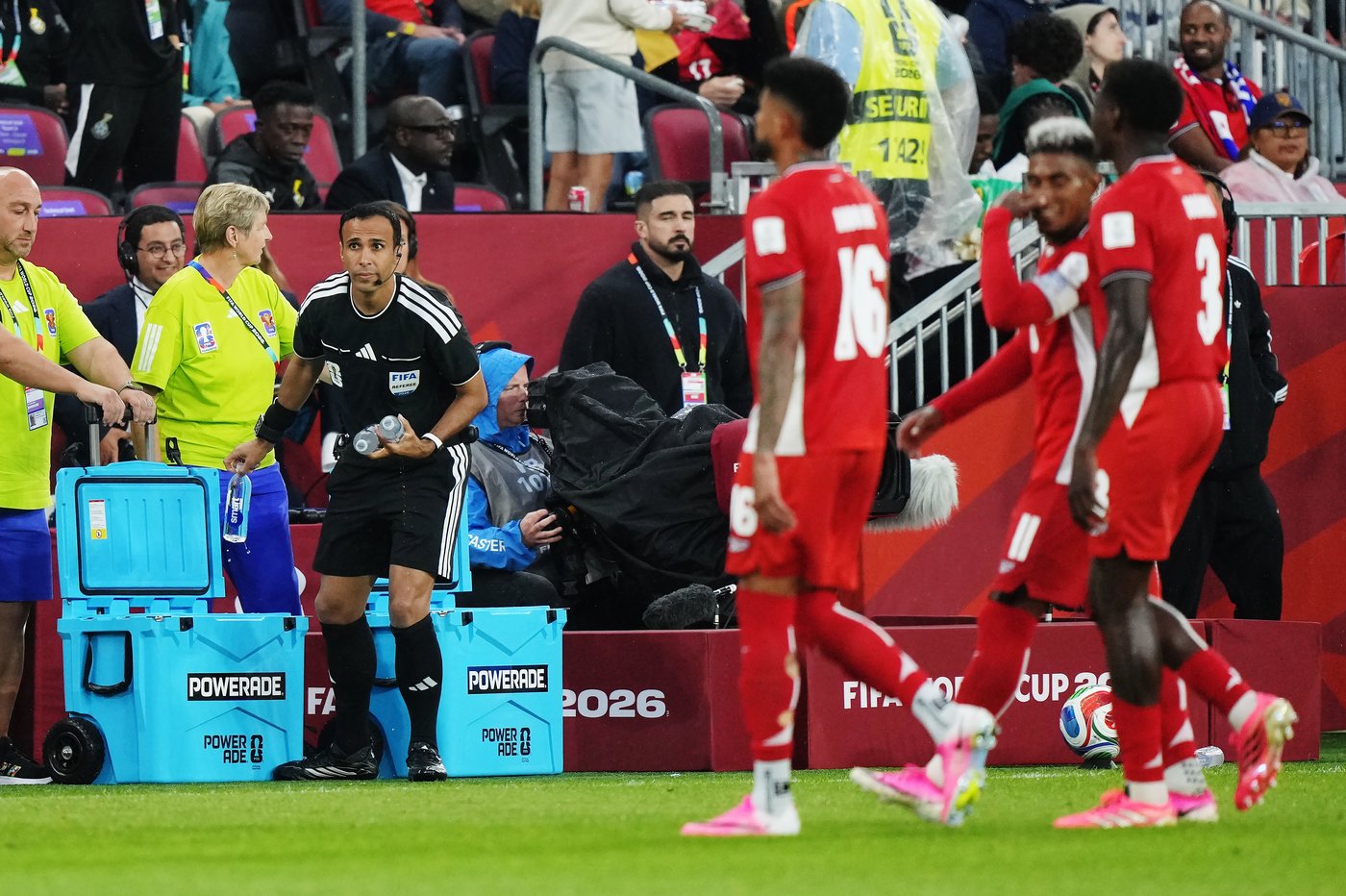
The mandated pause in the action snuffed Germany’s momentum. As the in-stadium announcer introduced the “Powerade Hydration Break,” blue branded coolers were rushed onto the sidelines, ads blanketed every video screen in the stadium and TV broadcasts cut to commercials.
The crowd of 43,036 mostly German fans vociferously voiced its frustration.
While the break might not have garnered the reaction FIFA and Coca-Cola were hoping for, experts say it’s unlikely to turn audiences against the brand or spell the end of one of the tournament’s most lucrative and enduring relationships.
“Coke is just collateral damage,” said Richard Powers, associate professor at the Rotman School of Management at the University of Toronto. “They take a bit of a hit on this, but it really is directed more at the officials and FIFA for allowing these mandatory breaks.”
Coca-Cola and FIFA did not respond to requests for comment about the booing, which also cropped up in the second half of a game that Germany won 2-1 on a stoppage-time winner from Deniz Undav.
The three-minute breaks that happen twice a game were introduced to combat heat and humidity with an eye toward player safety.
FIFA insisted they would occur during the June 11-July 19 tournament regardless of the weather, venue or location to ensure consistency across the 48-team competition.
But footy fans have bristled at how a game with two 45-minute halves now feels like a four-quarter affair and many have accused the sporting giant of introducing them purely to suck up more sponsorship dollars.
“It’s totally against the old tradition of soccer. I see them as advertising breaks,” said Simon Kuper, author of “World Cup Fever: A Soccer Journey in Nine Tournaments.”
“You’d be fine to do hydration breaks in situations where it’s dangerously hot, and that already happens in club soccer. But this is not that, so I find it distressing, and of course the fans in the stadium all boo it, so I think there’s a strong consensus on this.”
Kuper considers this World Cup “a referendum” on whether FIFA — and its backers — will stick with the breaks.
“Maybe Powerade should be saying to FIFA, ‘You know, actually with hindsight, maybe not such a great idea, let’s try and do something else next time,'” he said.
It wouldn’t be the first time they have retooled their relationship, which began with Coca-Cola signs on the tournament sidelines in 1950.
The brand eventually morphed into one of FIFA’s biggest backers, now occupying its top sponsorship tier alongside brands like Adidas, Visa, Aramco and Lenovo.
FIFA doesn’t reveal what its partners pay to be associated with the tournament, but some have pegged the value of Coca-Cola’s current deal in the hundreds of millions.
Advertising experts say it’s a win-win for both brands. FIFA gets the cash it needs to host an increasingly expensive tournament and Coca-Cola gets access to the World Cup’s roughly six billion global viewers.
The booing has unlikely fazed either side, said Mike Naraine, a sport management associate professor at Brock University, who predicts FIFA will stick with the breaks.
“Fundamentally you’ve got a captive audience. About 43,000 (spectators) had no choice but to see Powerade and the Powerade hydration break,” he said.
“And they may be upset about the fact that there was a stoppage in play, but I think the vast majority of folks in that stadium didn’t care that it was the Powerade hydration break.”
Powers agreed, pointing out that Coca-Cola probably sees any attention linked to the tournament as good attention.
“There’d be initial concern, but once they realized it wasn’t purposely directed at them, I think they’d just sort of roll their eyes and say, ‘Boy, oh boy,’ either we couldn’t have imagined this or it’s all part of the game.”
FIFA president Gianni Infantino indicated Tuesday the breaks could remain at future World Cups.
Defending the stoppages, he said they may improve the quality of matches by giving players a chance to recover and coaches an opportunity to make tactical adjustments.
He also rejected suggestions that the breaks were introduced for financial reasons, saying broadcast contracts were signed before FIFA decided to implement them.
With files from The Associated Press.
This report by The Canadian Press was first published June 23, 2026.
News from © The Canadian Press, . All rights reserved.
This material may not be published, broadcast, rewritten or redistributed.

This site is protected by reCAPTCHA and the Google Privacy Policy and Terms of Service apply.
Want to share your thoughts, add context, or connect with others in your community?
You must be logged in to post a comment.