Elevate your local knowledge
Sign up for the iNFOnews newsletter today!
Elevate your local knowledge
Sign up for the iNFOnews newsletter today!
Select Region
Selecting your primary region ensures you get the stories that matter to you first.
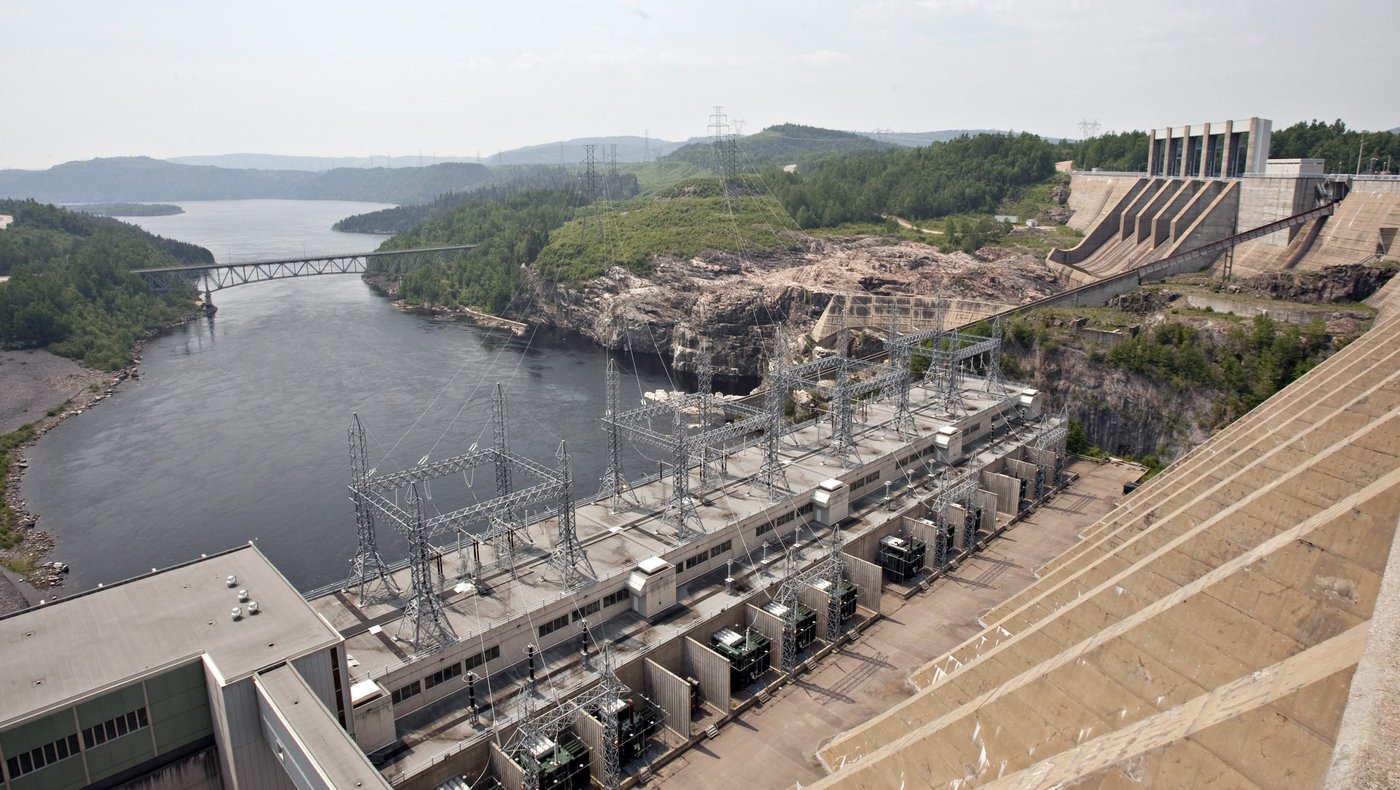
MONTREAL — The Innu of Pessamit voted on Sunday to reject an agreement proposed by Hydro-Québec and the Government of Quebec, which could have settled longstanding legal disputes and paved the way to new energy projects.
Sixty-three per cent of voters rejected the agreement, which had sparked controversy in Pessamit and the broader Innu nation, both for its contents and for the short period of time between the announcement of the deal and the referendum.
“One thing is for sure, it’s that the community wants to keep the land, and to stop any development by Hydro-Québec,” said Ha’dishrayen Gros-Louis, a Wendat-Innu political science student who was in Pessamit for the referendum.
The “New Relationship Agreement on Energy Development,” also known as the Aishkat Agreement, included the payment of more than $2.535 billion over 50 years, as well as other sums, to the community of over 4,000 people located just under 60 km southwest of Baie-Comeau, in the Côte-Nord region of Quebec.
However, the 42-page document would have prevented the community from going to court to challenge future energy projects and opened its territory to projects by the state-owned corporation.
“The Innu of Pessamit have spoken. They are not authorizing Chief René Simon to sign the agreement,” said Alexis Wawanoloath, the referendum chair, after the votes were counted on Sunday evening. “Democracy has spoken.”
Sylvestre Desterres, a member of the Pessamit community, says he lost sleep over the agreement. According to him, the deal revived trauma stemming from floods caused by hydroelectricity dams in Innu territory.
“I found it pretty audacious, the way they presented our fundamental, ancestral rights as a bargaining chip,” he said of the agreement.
A total of 1,287 members of the Innu community cast their votes in Sunday’s referendum — around a third of the community. To Gros-Louis, the low turnout doesn’t negate the strong majority of the opposition. “Sixty-three per cent of votes against the agreement, that’s an overwhelming result,” he said.
Gros-Louis is from Wendake, close to Quebec City, and studies in Ottawa, but his father is from Pessamit, and he often visits friends and family there. He and Desterres were both critical of the deal and the quick turnaround for the vote, which was announced only 10 days before it happened.
“The way this agreement was presented, it was like we had to jump on a high-speed train, discuss among ourselves, and give a final answer before we reached the station,” said Desterres.
Gros-Louis believes the decision to hold the referendum so quickly was tied to upcoming elections, both provincial, in October, and for the band council, in August.
“This agreement, according to me, was really for Hydro-Québec, for the CAQ (Coalition Avenir Québec),” he said. “They wanted to go into the elections and be able to say, ‘Look, we’re going to build dams, we’re going to produce our hydroelectricity.’ But it’s theirs — it isn’t ours.”
On Monday, Quebec Energy Minister Bernard Drainville said the timeline for the vote had been set by the Pessamit Innu council. He acknowledged that the project would probably be handed to the next government.
“Keeping in mind how important these issues are, I think it’s prudent to say that this will be a project that the next government, regardless of its stripes, will have to revive,” he said.
Desterres highlights that the results of the referendum do not mean the community of Pessamit is opposed to development, but rather that members want to ensure they get their due from projects on their territory.
“We’ve been underfinanced for years,” he said. “Then this agreement was presented as gifts that Hydro-Québec will eventually offer us via infrastructure… But those are things the government already owes us.”
Both Gros-Louis and Desterres denounced the way the Pessamit Innu Council presented the agreement to the community, which they say caused a breach in confidence between council and community. Desterres said he wishes the community had been involved in the discussions earlier on and hopes to see more communication going forward.
Political actors also responded to the referendum in the hours that followed it, acknowledging the result and paving the way for further negotiations.
“This result shows that there is more work to do,” wrote Premier Christine Fréchette on Facebook. “The Quebec government remains convinced that it is possible to conclude a beneficial agreement, both for the Pessamit community and for all Quebecers.”
In an email to The Canadian Press, a spokesperson for Hydro-Québec highlighted a desire to continue the dialogue with representatives of the Pessamit community.
To Gros-Louis, however, the results are clear.
“I think they’ll have to finally understand that enough is enough,” he said. “The people have said no, and there are other ways to develop energy in Quebec without breaking Innu land. I think they need to leave the Innu of Pessamit alone, leave the Nitassinan (Innu territory) alone.”
This report by The Canadian Press was first published July 13, 2026.
News from © The Canadian Press, . All rights reserved.
This material may not be published, broadcast, rewritten or redistributed.

This site is protected by reCAPTCHA and the Google Privacy Policy and Terms of Service apply.
Want to share your thoughts, add context, or connect with others in your community?
You must be logged in to post a comment.