Elevate your local knowledge
Sign up for the iNFOnews newsletter today!
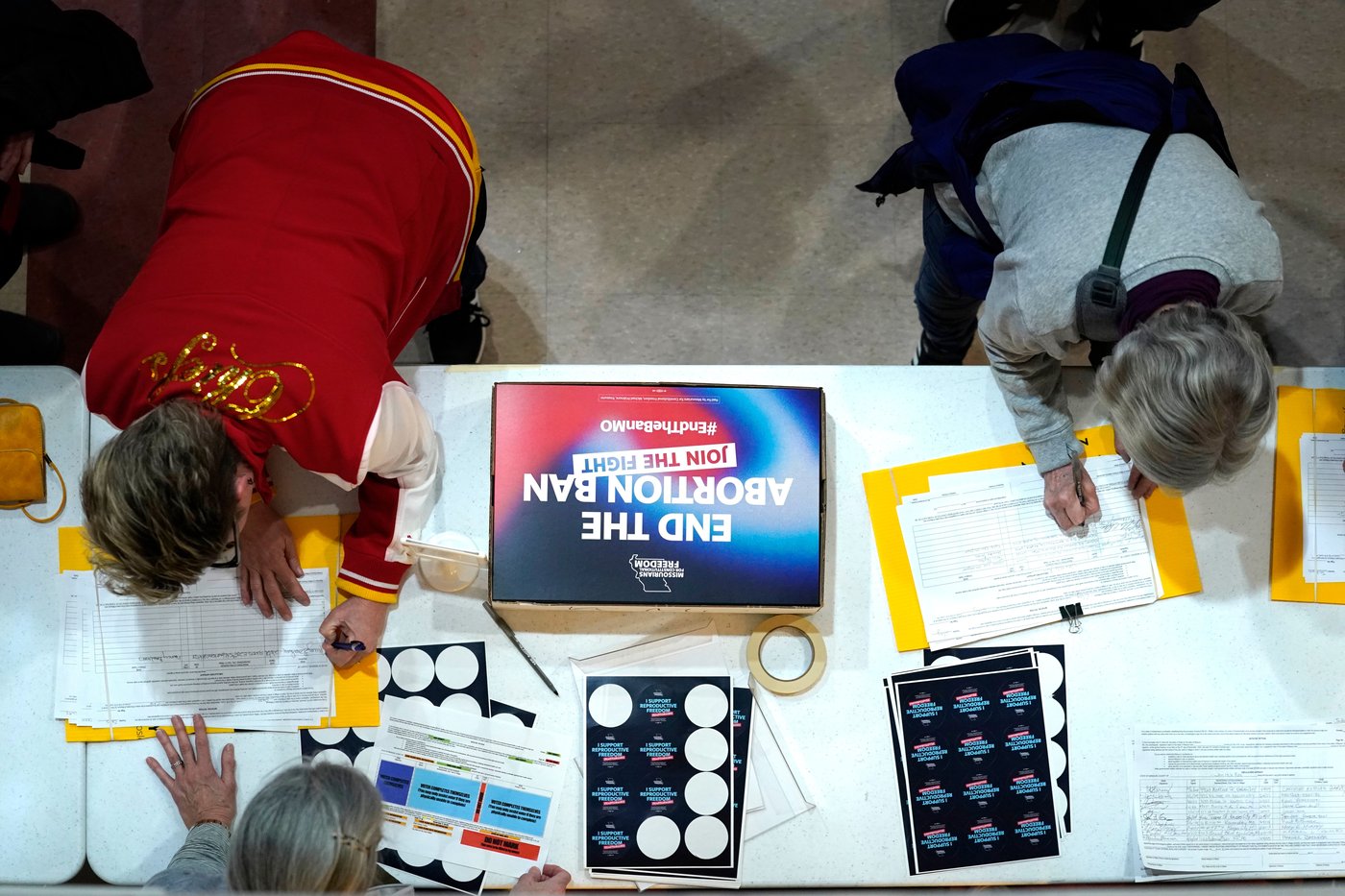
Idaho voters will decide whether to roll back the state’s abortion ban, the secretary of state told the group behind the initiative in a letter Monday, joining three other states where abortion will be directly on the ballot on Nov. 3.
Voters in Virginia and Nevada — both states where abortion is already legal through at least 24 weeks of pregnancy — are considering state constitutional amendments to create a right to abortion.
And in Missouri, which in 2024 became the first state to use a constitutional amendment to undo an abortion ban, voters are being asked to override that to bring back an abortion ban, with limited exceptions, and to write into the state constitution a ban on some gender-affirming care for minors.
Here’s a look at the situation.
One of the most conservative states could undo its ban
The measure put on Idaho’s ballot through a volunteer-run petition drive would create a law, not an amendment to the state constitution.
Idahoans United for Women and Families, which is leading the campaign, shared with The Associated Press a letter from state election officials Monday verifying that it has qualified for the ballot.
It would allow abortion until fetal viability, which is generally considered to be somewhere past 21 weeks into a pregnancy, though there’s no fixed time frame. The change would make the state’s law similar to what it was before the Supreme Court’s 2022 ruling that overturned Roe v. Wade and allowed states to ban abortion.
Idaho now is one of six states where an abortion ban at all stages of pregnancy does not include exceptions for the health of the girl or woman. Like most other bans, it does allow abortion to save the life of the woman or in pregnancies caused by rape or incest.
It also became the first state, in 2023, to make it a crime to help a minor obtain an abortion without the consent of their parents. Despite a court challenge, most parts of that law have remained intact.
David Ripley, the CEO of the anti-abortion group Idaho Chooses Life, is preparing to campaign against the measure.
“This is going to have a profound impact on Idaho,” he said, “and will basically invalidate virtually every pro-life law that the legislature has enacted over the last 30 to 40 years.”
Missouri is considering a turnabout
Whichever way the ballot measure vote goes in Missouri, it’s already a state with several firsts after Roe was overturned.
It was the first state to begin enforcing a ban on abortion throughout pregnancy. And in 2024, it became the first state to use a ballot measure to roll back a ban. Even after that, though, abortion access was deeply limited by state regulations until a court ruling in June blocked enforcement of many of them.
In the state, where Republicans dominate the government, there have been legal battles surrounding the language of the constitutional amendment. The one before voters, unlike the previous ban, would allow exceptions in the cases of medical emergencies and fetal anomalies. Like the earlier one, there would be exceptions for pregnancies caused by rape or incest.
Two states are considering amendments to preserve the right to abortion
Both Nevada and Virginia currently allow abortion through at least 24 weeks of pregnancy. That means amendments to preserve the right to an abortion would likely not have a major impact on access to abortion in either state.
The amendments could be factors, however, in driving voter turnout in states where both Democrats and Republicans have prevailed in statewide elections in the last five years.
Nevada voters already approved the amendment in 2024 by a nearly 2 to 1 margin. But the state constitution calls for amendments to pass in public votes twice before they take effect.
The measures could be a test for abortion-rights groups
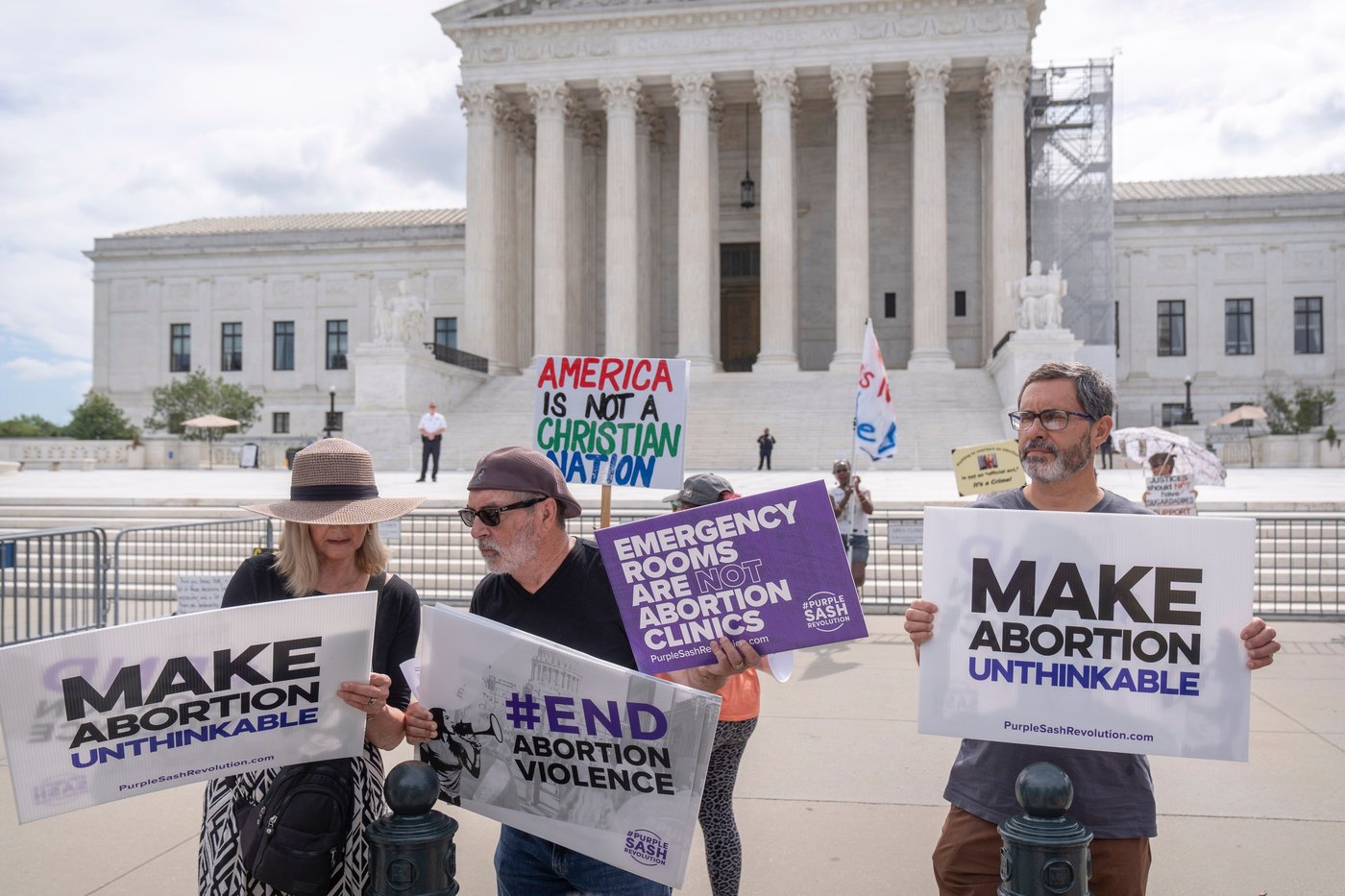
Some groups want to see state laws that go further than Roe v. Wade did and lift restrictions on abortions throughout pregnancy.
In June, the National Abortion Federation, an organization of abortion providers, opposed “rigid legal cutoffs that ban or restrict abortion care at viability or arbitrary gestational lines.” The organization does not raise money for political campaigns, but its positions may indicate what some other groups are thinking.
In 2024, a South Dakota measure called for banning abortions during the third trimester and allowing some restrictions in the second trimester, while protecting the right to them in the first trimester. Voters rejected it.
Most national abortion-rights groups did not support it either. Since Roe was overturned, abortion rights advocates have lost four statewide votes on reproductive rights. Their side has prevailed in 14 referendums over the same period.
Melanie Folwell, executive director of Idahoans United for Women and Families, says national groups that sit out these votes are thinking narrowly.
“I would encourage them to get out of their bubbles of activism and actually begin to engage with the public on where folks are at,” she said.
News from © The Associated Press, . All rights reserved.
This material may not be published, broadcast, rewritten or redistributed.

This site is protected by reCAPTCHA and the Google Privacy Policy and Terms of Service apply.
Want to share your thoughts, add context, or connect with others in your community?
You must be logged in to post a comment.