Elevate your local knowledge
Sign up for the iNFOnews newsletter today!
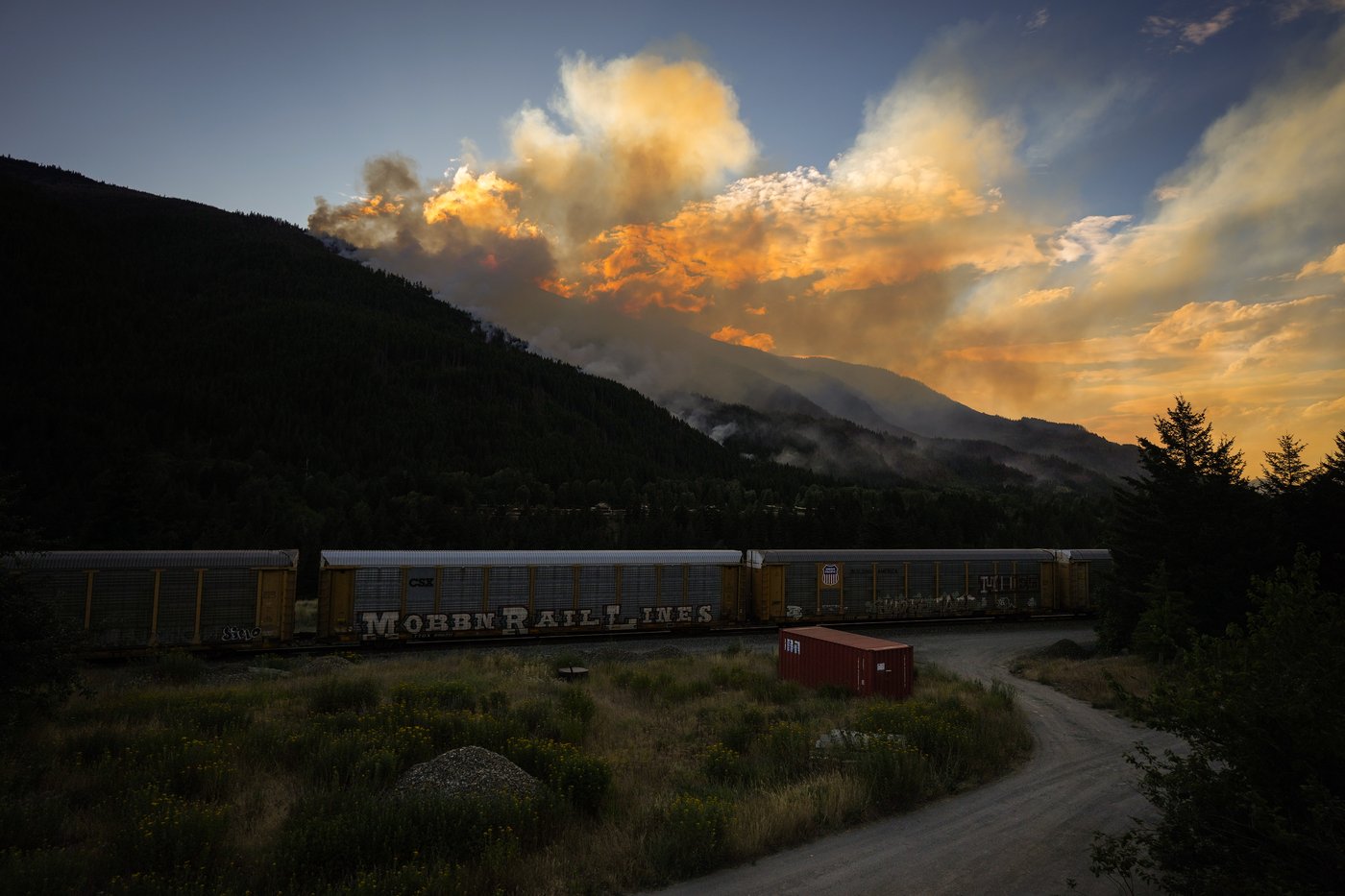
VANCOUVER — The number of wildfires was ticking up as lightning strikes flickered across British Columbia’s southern Interior on Wednesday, as a weather system that wildfire officials feared would trigger a surge in ignitions began to make its presence felt.
Environment Canada meteorologist Colin Fong said the focus would be on the severity and frequency of dry lightning over the next few days, with parched conditions on the ground ripe for new wildfires in the province’s south.
“That’s pretty much the main story for this week,” Fong said of the threat of dry lightning in southern B.C., stretching into Friday.
“It just basically means it’s so dry at the surface that any rain that falls from thunderstorms typically evaporates before it gets to the ground,” he said on Wednesday. “So that doesn’t really provide much relief in trying to saturate things, and the lightning is pretty much going to be the major factor.”
The BC Wildfire Service website showed lightning was the suspected cause of several new blazes discovered Wednesday.
The province’s fire season has so far been moderate, with only about 20 fires burning as of Wednesday afternoon. But Colin Chapman, the director of wildfire operations for the BC Wildfire Service, warned on Tuesday that the surge in lightning strikes could trigger up to 150 fire starts in a single day.
Increasing activity clustered around Osoyoos, Kelowna and the Alberta boundary could be seen on Environment Canada’s live lightning tracker.
Fong said the question now is the severity and frequency of the lightning strikes.
The forecast called for the threat of dry lightning from the Okanagan eastward to Alberta, with the threat area expanding north and west on Friday as more thunderstorm activity with precipitation is expected. Chapman previously said that fuels in the north were not as dry, mitigating some of the risk there.
Parched conditions elsewhere have triggered a ban on all fires except small campfires in the Northwest Fire Centre from Wednesday. The Coastal Fire Centre was set to implement a more severe ban on all fires, even small campfires, starting at noon on Thursday, with some exceptions in certain areas.
The Kamloops Fire Centre already had a Category 1 prohibition in place.
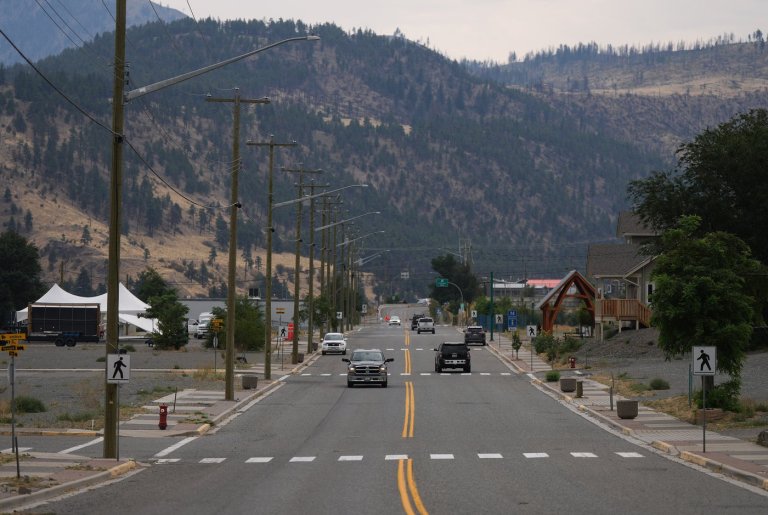
While it’s been a slow start to B.C.’s fire season, there are still evacuation alerts and orders covering hundreds of properties in the Boston Bar area, stemming from the Brunswick Complex fires.
The wildfire service said in an update Wednesday that the Brunswick complex showed increased fire activity Tuesday after experiencing a lull due to rain and cooler temperatures over the weekend, and elevated activity was expected to persist through Thursday’s dry-lightning forecast.
“During this time, we can expect to see elevated fire behaviour and our priority will be to ensure the safety of our crews and all personnel working on the fires within the complex,” the service said.
The fires have also triggered an air quality alert for the Fraser Canyon region from Lytton to Dogwood Valley, with wildfire smoke creating conditions potentially hazardous to health and reducing visibility.
Environment Canada has also issued heat warnings in the Okanagan, Shuswap, Lillooet and South Thompson regions with temperatures reaching the high 30s into Thursday.
Fong said while the forecast calls for more precipitation from the weather system creating the lightning by Friday, “the damage could already be done with some new starts from Wednesday and Thursday potentially.”
He also said the weather could see stronger winds develop when the rain arrives, adding another complexity to the wildfire threat.
“I don’t really want to say how it’ll play out, but certainly this is kind of the concerning period now,” Fond said. “But certainly Friday, with the more widespread thunderstorms — despite the showers — that could also pose a threat.”
Fong said long-term weather forecasts for B.C. do not provide relief, with warmer and drier conditions returning early next week before potentially more unsettled weather, possibly including lightning.
This report by The Canadian Press was first published July 15, 2026.
News from © The Canadian Press, . All rights reserved.
This material may not be published, broadcast, rewritten or redistributed.

This site is protected by reCAPTCHA and the Google Privacy Policy and Terms of Service apply.
Want to share your thoughts, add context, or connect with others in your community?
You must be logged in to post a comment.