Elevate your local knowledge
Sign up for the iNFOnews newsletter today!
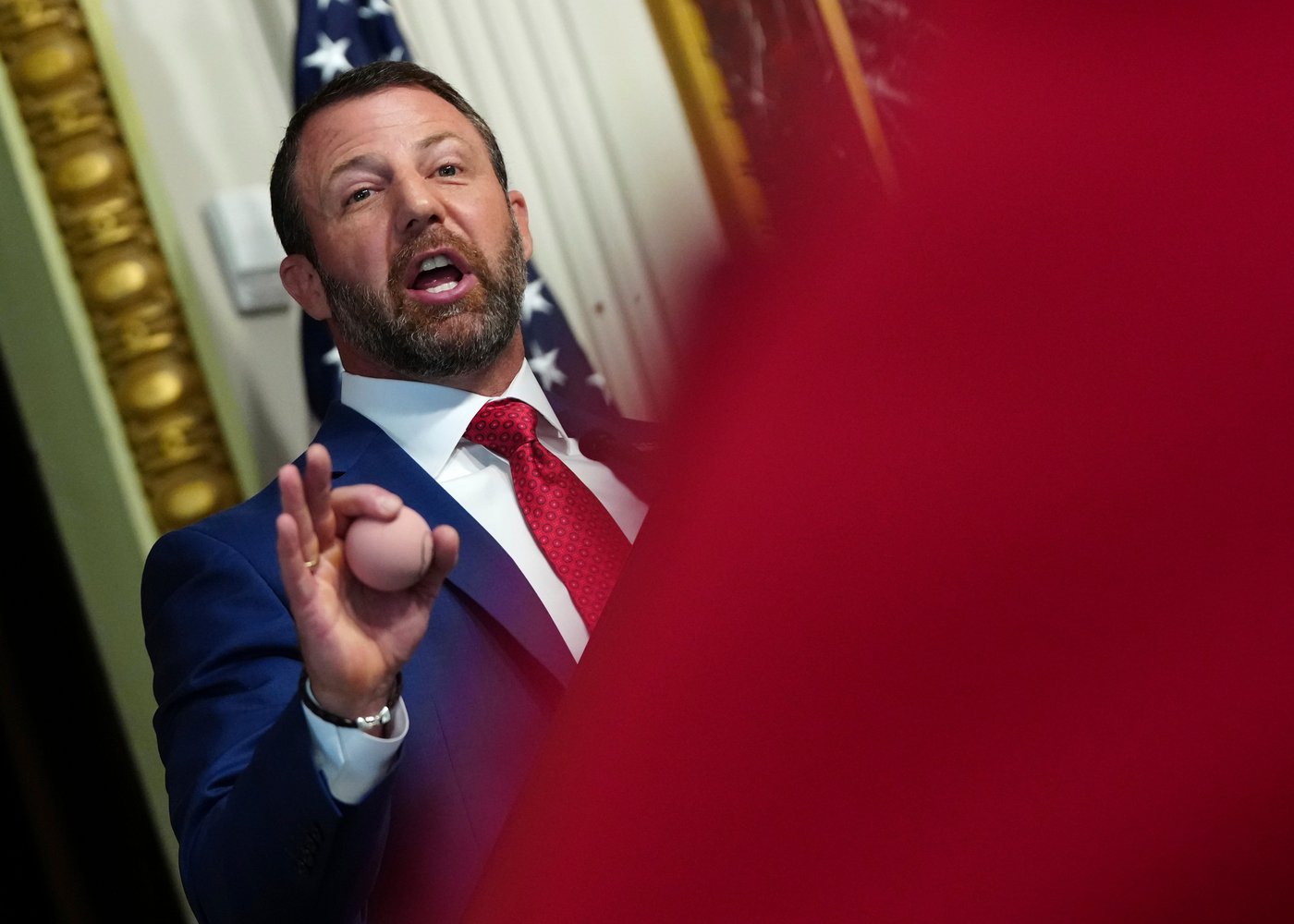
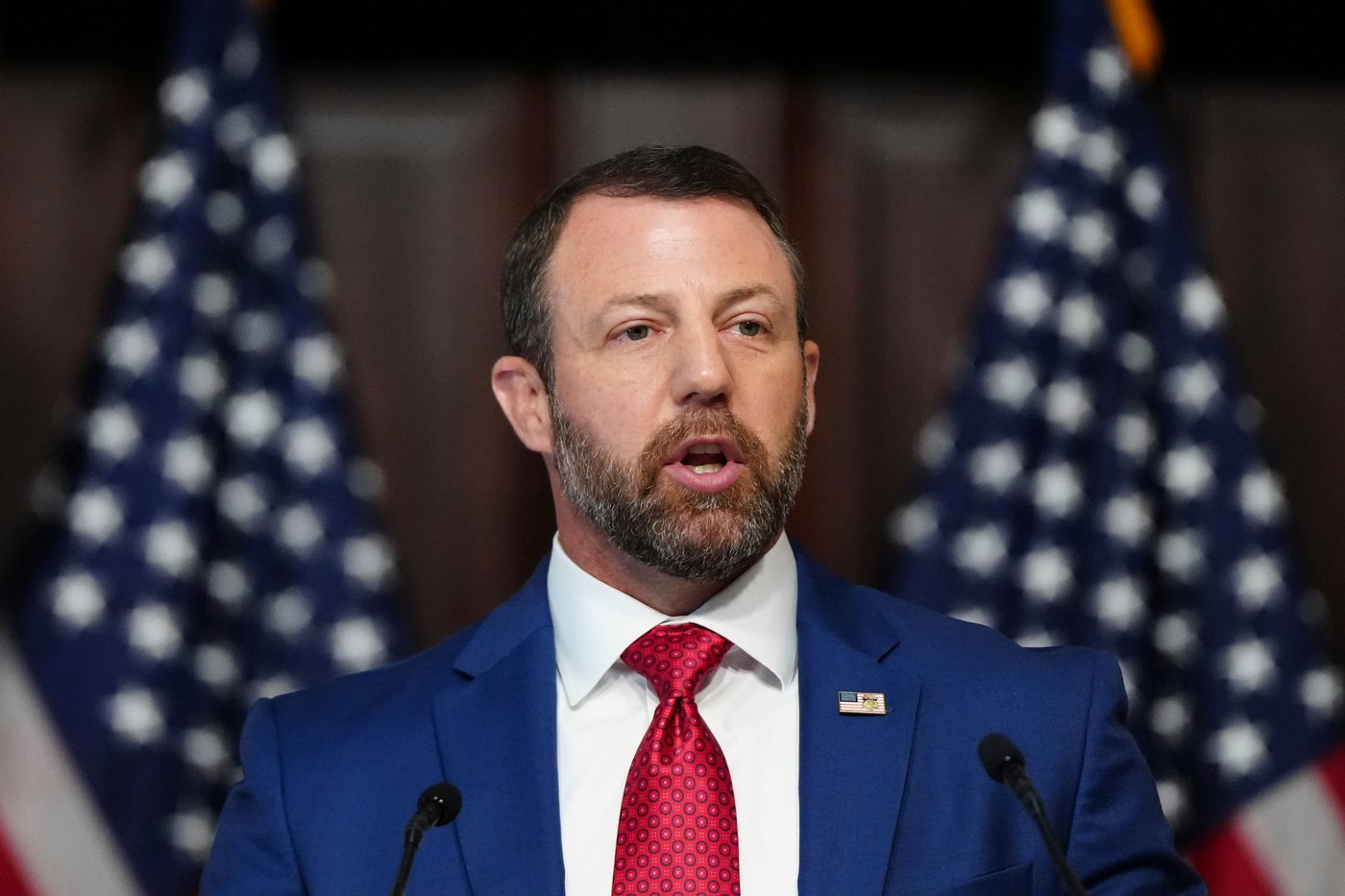
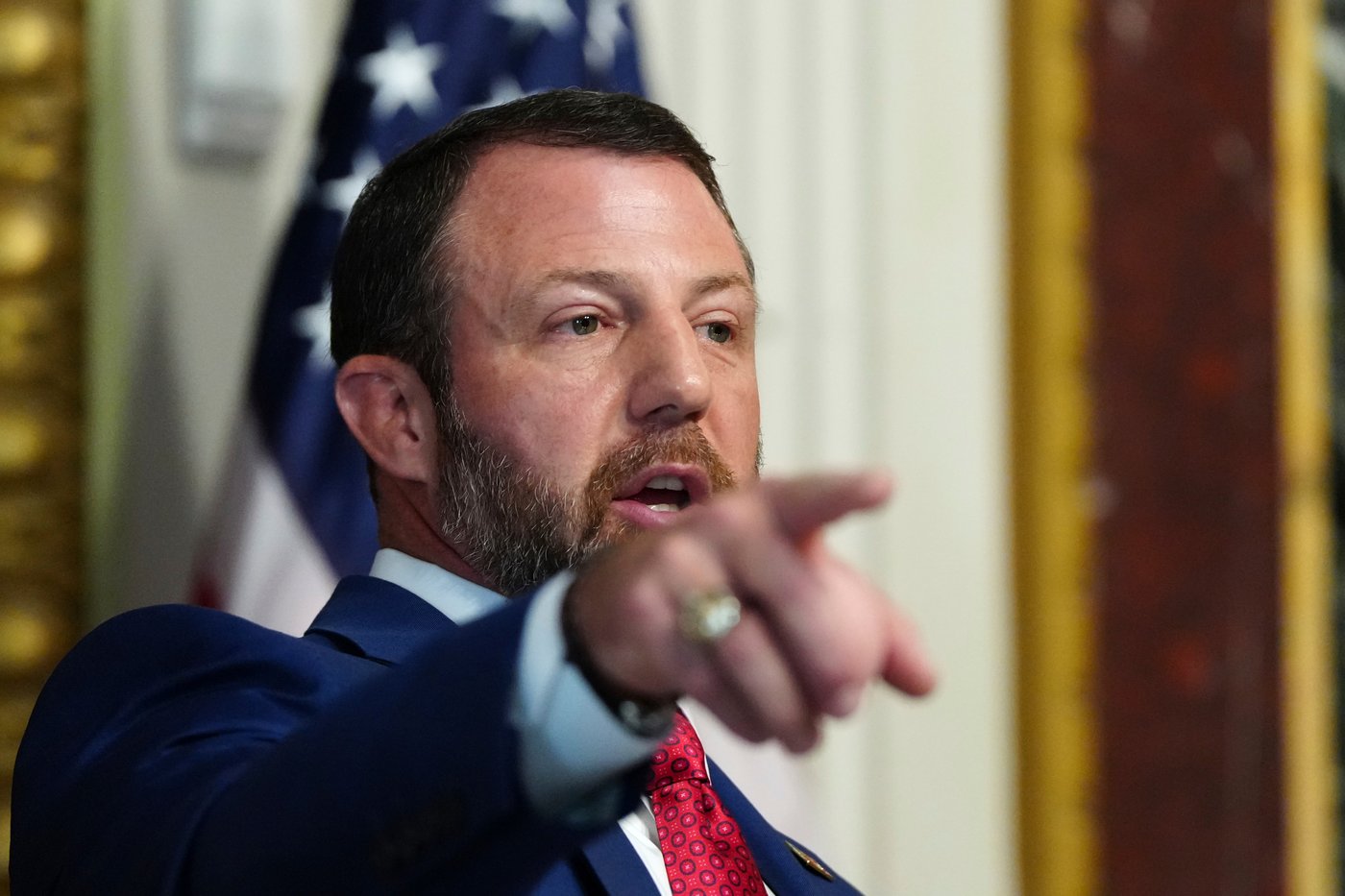
WASHINGTON (AP) — Homeland Security Secretary Markwayne Mullin on Friday warned that state officials could lose funding or face investigations if they fail to go along with President Donald Trump’s election security demands, part of the Republican president’s longstanding attempt to undermine Americans’ confidence in the vote.
Experts said the threats — issued just months before midterm elections that will determine control of Congress — were likely hollow because Trump’s voting initiatives have been stalled by judges and the Constitution gives states control over how elections are run.
Nevertheless, Mullin’s remarks, delivered from the White House complex one day after Trump’s primetime address on the topic, could further doubts about election processes and create headaches for states as they prepare for November.
“We absolutely can build confidence in the American people, but the states have to do their part,” Mullin said.
Trump continues to falsely claim that Democrat Joe Biden won only because of fraud in 2020, and he’s tried to marshal the powers of the federal government to rewrite that history since he returned to office last year — even though judges and his own attorney general in his first term concluded the election was legitimate.
Mullin insisted that the president was not relitigating the 2020 election, “although he definitely could at this point.”
“This is just about exposing what took place and making sure it never happens again,” he said.
Mullin’s claims of noncitizen voters rely on incomplete data
During his remarks, Mullin advanced an unsubstantiated claim Trump made Thursday that the federal government had found 250,000 noncitizen voters on the rolls in California, Nevada, New Jersey and Pennsylvania. He said the Department of Homeland Security’s investigation was conducted using public data, which election experts say is insufficiently detailed and updated to properly identify whether a registered voter is a noncitizen.
Election officials in California and Pennsylvania said they would review the Trump administration’s findings but noted that they conduct their own voter list maintenance and noncitizen voting is exceedingly rare. Research has supported that finding.
California Gov. Gavin Newsom, a Democrat, responded to Mullin’s threats with a post on social media.
“California has free, fair, and secure elections and we will fight for them,” he wrote. “Try us.”
In Nevada, Secretary of State Cisco Aguilar, also a Democrat, said he was confident in the integrity of the state’s voter file.
“We are constantly looking at the information to figure out how many registered voters in Nevada don’t have a Social Security number on file,” he said. “We have done significant work to make sure our voter rolls are as clean as possible.”
Mullin also pledged to aggressively monitor public voter lists to pursue potential voter fraud cases before and after the 2026 election.
“If you are an illegal or you are voting illegally, we will hunt you down, we will find you and we will prosecute you,” he said.
He urged states to participate in DHS’ recently overhauled SAVE program, a federal tool central to the Trump administration’s efforts to nationalize elections. At least 25 states have used it to check their voter rolls since April 2025, after the Trump administration significantly expanded its search abilities, and the Trump administration has demanded that states submit their sensitive voter data to the program to fully audit their voter lists.
Mullin said if state officials don’t participate in SAVE, they could face fines, penalties or prison time.
But the overhauled program’s use was recently blocked by a federal judge over concerns about privacy and wrongful purges of eligible voters. The case included voters whose registrations were wrongly flagged by the program, temporarily threatening their place on the rolls.
David Becker, the executive director of the nonprofit Center for Election Innovation and Research, said Mullin was making empty threats.
“Every court to consider the DOJ’s demands — 15 of them to date, six of those judges appointed by President Trump — have confirmed that the federal government cannot legally demand access to states’ sensitive voter data,” he said. “What he’s suggesting is illegal.”
In addition, Trump’s efforts to pass the SAVE Act, federal legislation that would require proof of citizenship for voter registration, has stalled in the Senate. Republicans don’t have enough votes to change the filibuster rules and pass it without Democratic support.
Cybersecurity support for election officials has been diminished in Trump’s second term
Mullin also elevated Trump’s concerns about vulnerabilities in electronic voting machines — which voting experts have long acknowledged. While Trump suggested Thursday that these risks make it possible to “rig” the vote, election officials say there are numerous safeguards in place to prevent that, including physical security, voting machine tests, postelection reviews and paper ballot backups in most of the country.
To address the concerns, Mullin said the nation’s Cybersecurity and Infrastructure Security Agency, which sits under DHS, would release an updated election infrastructure plan within 30 days and provide cyber threat resources to election officials if they participate in SAVE.
However, Trump has broadly dismantled the agency’s election security operation.
CISA was largely absent from its long-held role assisting states in last year’s elections after the Trump administration conducted a review of its election work, placed more than a dozen election-focused staffers on administrative leave and slashed $10 million from two cybersecurity initiatives, including one dedicated to helping state and local election officials. The agency is also still without a Senate-confirmed director and has cycled through a series of acting leaders.
Aguilar said his state has stepped up and will protect its own elections in the absence of federal help.
“The fact that they think they’re going to come in prior to the general election in November and provide us infrastructure, that’s nuts,” he said. “Actions speak louder than words, and in their case, it’s all been talk.”
___
Swenson reported from New York.


News from © The Associated Press, . All rights reserved.
This material may not be published, broadcast, rewritten or redistributed.

This site is protected by reCAPTCHA and the Google Privacy Policy and Terms of Service apply.
Want to share your thoughts, add context, or connect with others in your community?
You must be logged in to post a comment.