Elevate your local knowledge
Sign up for the iNFOnews newsletter today!
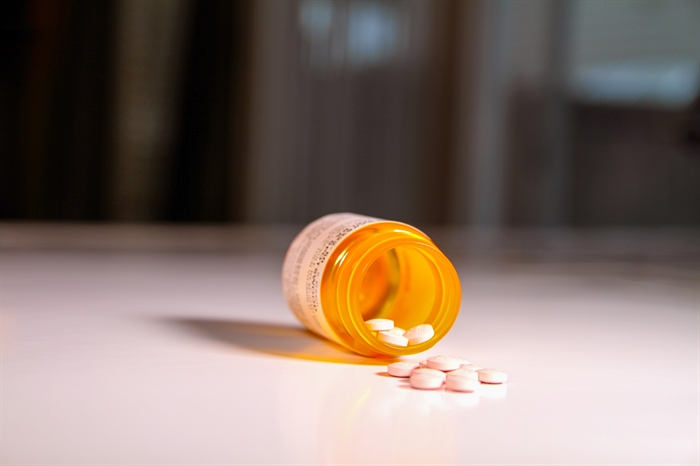
Overdose deaths are finally falling in BC after a steep jump six years ago, but there are few answers to explain why the trend is reversing.
More than 1,800 people died in 2025, with 319 of them in the Interior Health region, which is the lowest death toll since 2020.
There may be several reasons for the decline, but one BC addictions worker suggested drug users are wary of the toxic street supply and getting it tested more than ever.
“These people are all going to test their dope now because they’re too scared to die,” Andrew Bhatti said.
Bhatti is a Vancouver-based interventionist and ex-drug user whose organization works with people across BC and Canada. With street supply now often contaminated and users unclear on what they’re getting, they’re more often getting drugs tested.
“The weird thing is some of the fentanyl is not strong like it used to be because they’re immune to it now, but if they get fentanyl with high doses of (benzodiazepines) in it, you’re in trouble,” he said.
Benzodiazepines, or “benzos,” are a type of sedative that have been increasingly found in street-level opioids. While users seeking opioids expect, and often seek, fentanyl, benzos have a different effect and cannot be reversed with naloxone.
BC Coroners Service has been tracking the prevalence of fentanyl, benzos and other drugs among people who have died of overdoses for the past several years.
Since 2017, 80 per cent or more of those people tested positive for fentanyl, but benzodiazepines have been increasingly since 2021, found in up to nearly half of all overdose deaths each year since 2023, both across BC and in the Interior Health region.
Meanwhile, the number of drug samples tested in BC more than tripled since 2020. In 2025, 32,280 samples were tested across the province with nearly 10,000 of those in the Interior region. More than a third contained fentanyl and a fifth contained a form of benzodiazepine.
“The sad thing is they’re physically dependent on the drug, but they’re scared to do the drugs that they’ve been wired on for 10 years,” he said, adding that more drug users are carrying naloxone kits with them in the event someone does overdose.
It’s just one suggestion that points to an explanation for the decrease in deaths, and it’s not clear that there is any one clarifying answer.
The provincial government hasn’t been able to explain the sudden decrease and although BC has long been at the centre of Canada’s overdose crisis, it’s not the only jurisdiction where deaths are falling.
One clue might be that overdoses overall, however, haven’t followed the same pattern. BC Emergency Health Services has recorded an increasing amount of calls for overdoses over the past decade. In 2016, paramedics were called to almost 20,000 overdoses, more than doubling to 42,000 in 2023 and dropping slightly over the following two years.
So far in 2026, more than 600 people have died of overdoses across BC with nearly 100 in the Interior. That’s on track to claim half as many lives as 2023, the deadliest year in the crisis, which saw nearly 2,600 deaths in BC and 439 in the Interior.
For Bob Hughes, executive director of the non-profit Ask Wellness, the downward trend is no reason to celebrate.
“It’s still a shocking rate,” he said. “It is a bit of a modest relief that it isn’t escalating. It’s the beginning of a decline we hope will sustain itself.”
Ask Wellness operates multiple low-barrier supportive housing sites, but he said the reduction in deaths is a time for the province to increase its funding toward recovery and treatment facilities.
“At the heart of this we need to create pathways into recovery, and I think there’s still a long way to go provincially,” he said. “We have 15,000 people in supportive housing, many with addictions issues. This is ground zero for the transformation of the system to support people into recovery and put a dent into the crisis we see with addictions across the province.”
News from © iNFOnews.ca, . All rights reserved.
This material may not be published, broadcast, rewritten or redistributed.

This site is protected by reCAPTCHA and the Google Privacy Policy and Terms of Service apply.
Want to share your thoughts, add context, or connect with others in your community?
You must be logged in to post a comment.