Elevate your local knowledge
Sign up for the iNFOnews newsletter today!
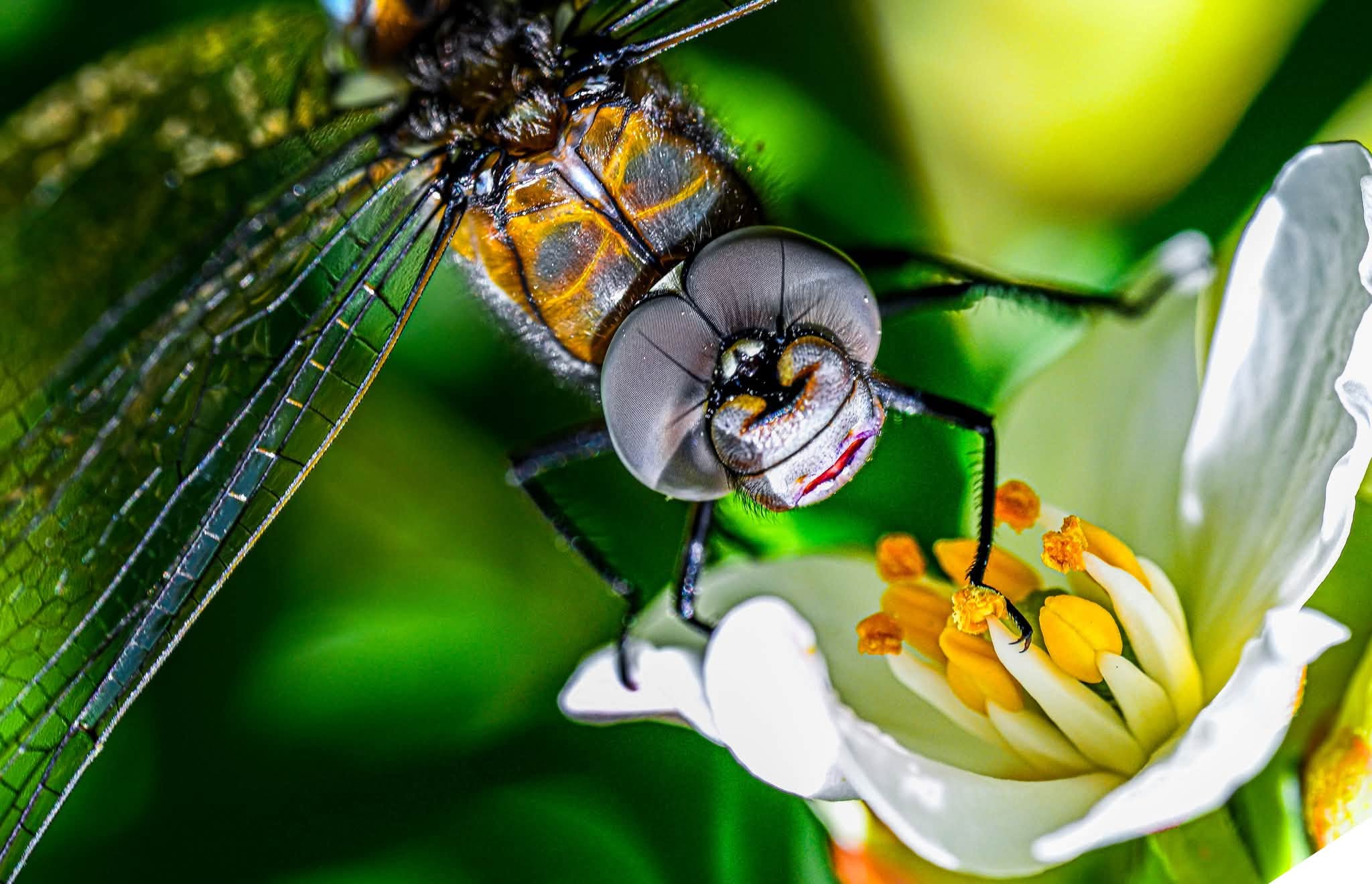
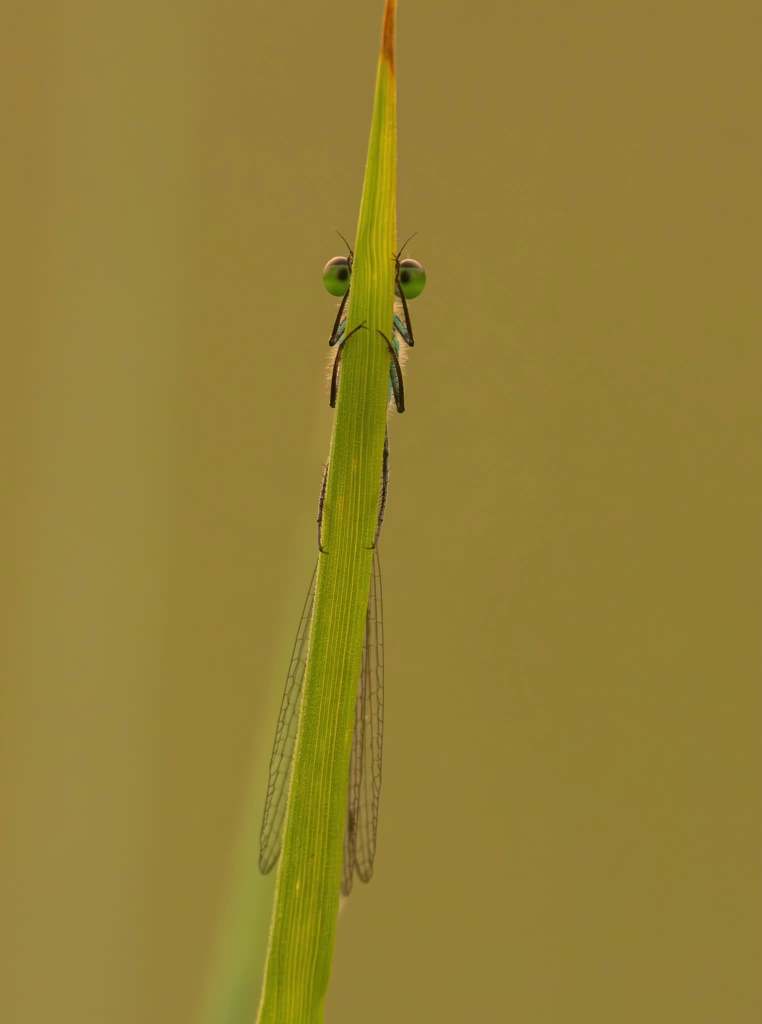
The big, bulbous eyes of insects in the Thompson-Okanagan have been captured on cameras up close this summer, and it is interesting how they work.
Called compound eyes, insect eyes are made up of tiny units called ommatidia that are visible when viewed up close. These units allow the insect to see a wide view and detect motion well.
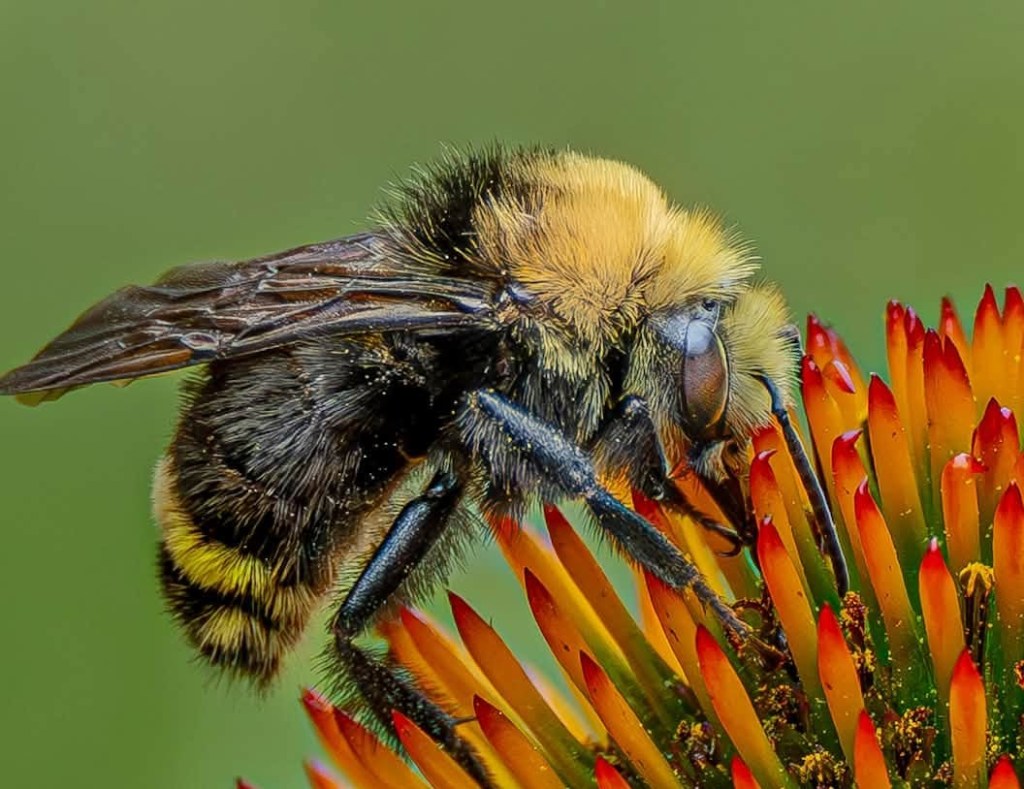
The units, or ommatidium, functions as independent photoreceptors, and each one is made of several components, according to Biology Insights.
The outer layer is a protective, transparent cornea that helps focus light. Inside is a crystalline cone that directs the light onto photoreceptor cells which turn the light into electrical signals for the insect’s brain.
When the insect’s brain puts all of the individually collected units of the visual field together it creates a mosaic-like image.
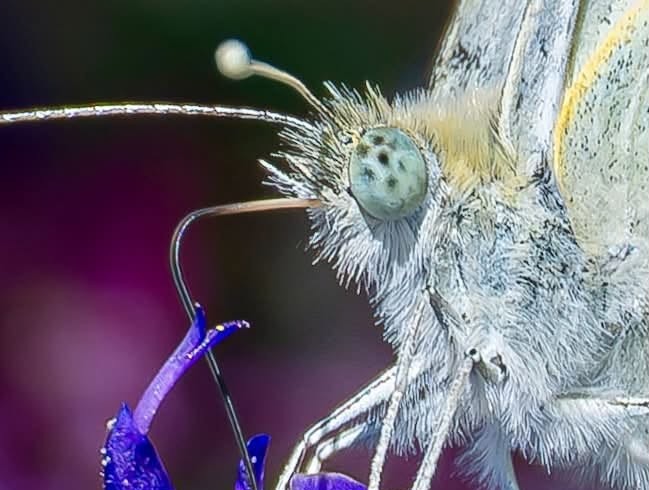
The image resolution is much lower than humans have, but because the insects capture a wider field of view, they are able to detect movement easily. Dragonflies can see almost 360 degrees around them.
Some insects see parts of the light spectrum humans can’t see, including ultraviolet light. Bees and butterflies use UV-reflecting patterns to locate nectar.
There are simpler eye structures on some insect species, but compound eyes are the most prevalent.

News from © iNFOnews.ca, . All rights reserved.
This material may not be published, broadcast, rewritten or redistributed.

This site is protected by reCAPTCHA and the Google Privacy Policy and Terms of Service apply.
Want to share your thoughts, add context, or connect with others in your community?
You must be logged in to post a comment.














One response
WOW such cool pictures